
€80 Million Meath Biomethane Plant: A New Opportunity for Irish Farms?


Introduction
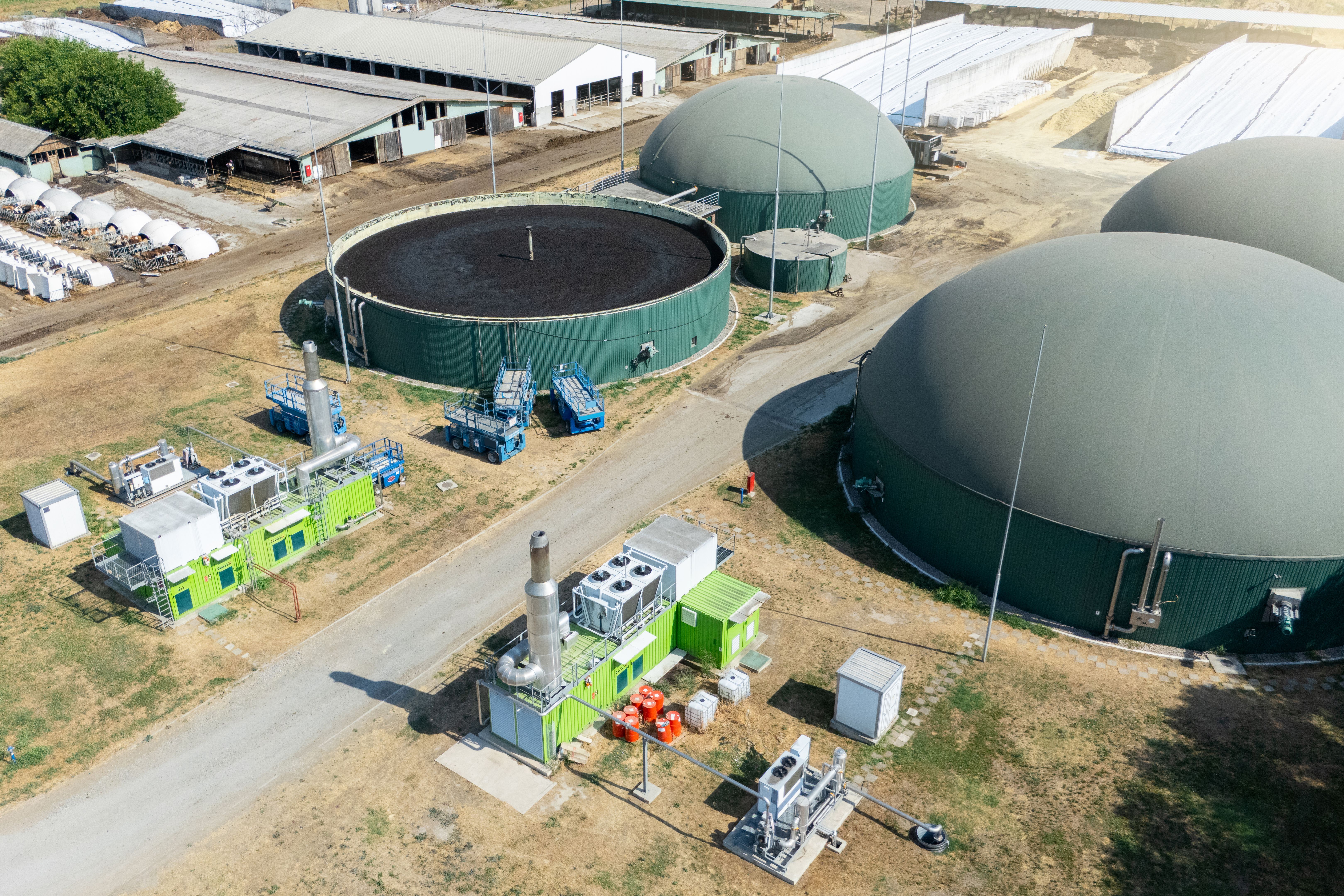
There’s been plenty of talk about the €80 million biomethane plant going up in Duleek, Co Meath, but for farmers living within reach of it, this isn’t just another renewable-energy headline. It could genuinely change how some farms earn their money. The developer, Carbon AMS, says the plant will pull in grass and other feedstocks from farms within roughly a 15 km radius and will produce around 42 GWh of biomethane a year. It’s not a pilot or a trial, it’s being built now, and the first gas is due to go to customers in late 2026 under a 15-year supply contract with a major pharmaceutical manufacturer.
This is where it starts getting interesting for farmers.
A Project Designed With Local Farms in Mind
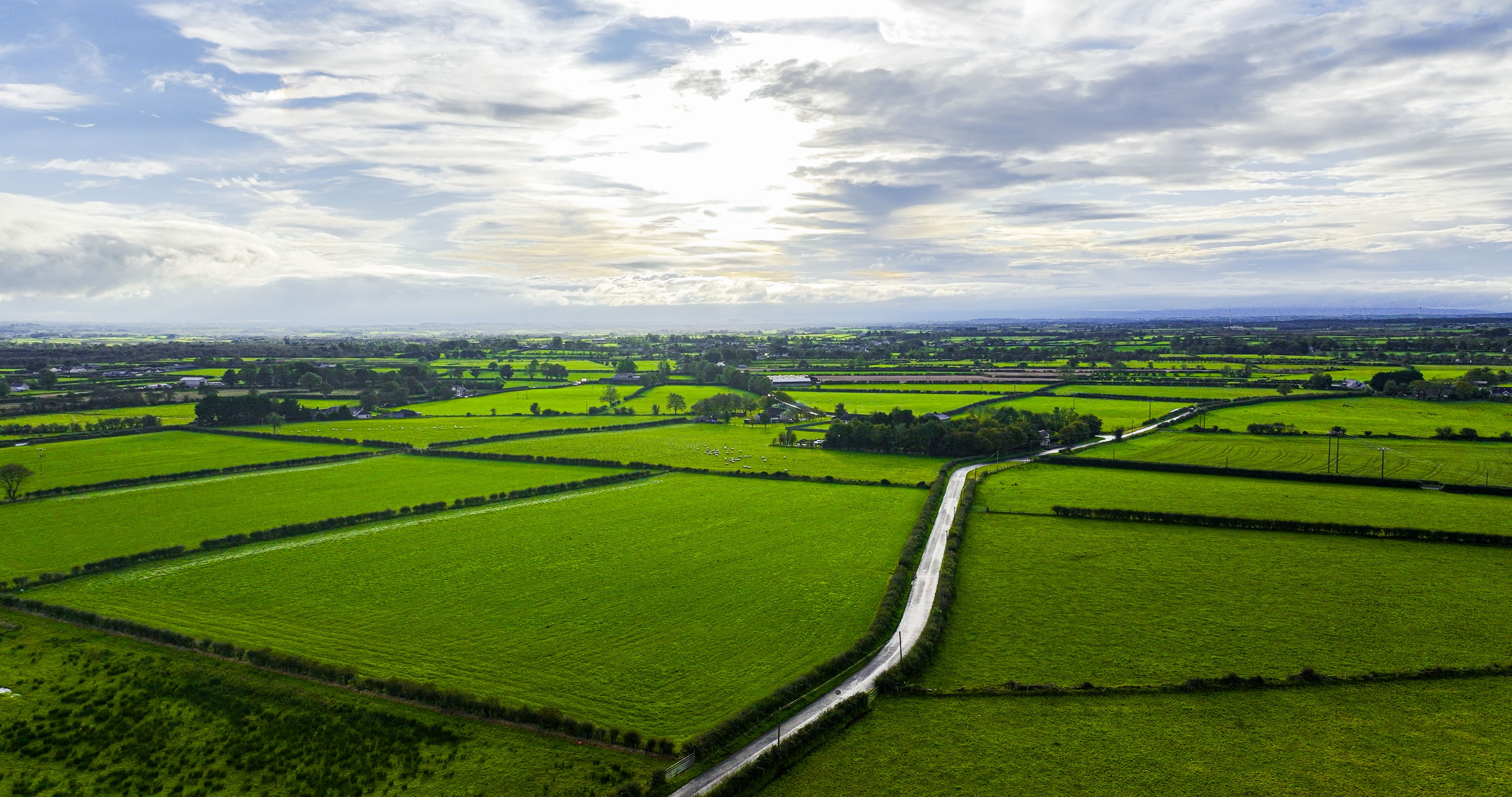
Unlike some big energy projects that pull resources from anywhere and everywhere, this one is anchored in the local area. That 15 km supply radius means the grass, silage and crop material is intended to come from farms practically on the plant’s doorstep. And because the operator wants continuity, they’re talking about long-term agreements rather than one-off loads or seasonal guessing games.
For farmers used to volatile beef, sheep and milk prices, the idea of something steady, predictable and right up the road understandably raises eyebrows.
What It Could Mean in the Yard
Farmers around Meath are already doing the mental maths. A project like this could offer:
- A new income stream that doesn’t rely on the mart or the processor.
- Multi-year certainty, which is rare in any agricultural sector.
- A use for surplus grass, especially on farms with good soil and growing conditions.
- A local delivery route, cutting down on time and hassle.
Nothing about this replaces your core business, but it could sit alongside it, the same land, the same grass, just going in a slightly different direction.
But Let’s Be Honest — There Are Things to Check First
It’s easy to get swept up in the promise of a shiny energy project, but farmers will need to look under the bonnet before committing. Here are the questions that matter:
- What exactly does the plant want? Not all grass is equal. Dry matter, quality and consistency could all become contract terms.
- How much will it cost you to deliver? Transport, handling and storage aren’t free, and they’ll eat into whatever income the contract brings.
- What happens in a bad year? Yields can fall. Rain can ruin a cut. Anyone signing up will need to know what happens if nature doesn’t play ball.
- Will it pull grass away from your livestock? If you’re already tight for silage or grazing, this might not slot into your system without knock-on effects.
- Does it suit the layout of your farm? Farms split across blocks or fields with tricky access might find the logistics harder than others.
The opportunity is real, but only if the numbers stack up for your own situation.
How Farmers Can Prepare Now
Even though the plant won’t be operational until late 2026, farmers considering it could use the next year or two wisely. For example:
1. Work out your spare grass tonnage: Not the theoretical amount, but the real, dependable figure.
2. Ask the operator the awkward questions early: Price, penalties, minimum supply, delivery windows.
3. Price your own costs instead of guessing: A contractor’s bill plus haulage can shift the whole equation.
4. Think about your wider system: Would contract grass reduce your stock numbers, or increase bought-in feed later?
5. Get advice: From someone who understands both the farm system and the financial side. It’s a new type of enterprise, and it deserves a proper look.
Conclusion
This biomethane plant isn’t something abstract happening in Brussels or Dublin, it’s happening in Meath, on the ground, with real contracts and real money attached. For some farms, it could be a smart way of balancing the books and reducing exposure to the usual swings in farm-gate prices. For others, it may not suit the land type, the system or the numbers.
But one thing is clear: it’s an opportunity worth examining properly. Renewable energy isn’t going away, and Ireland is still miles off its biomethane targets. Projects like this will keep coming, and the farms that take time to understand how they fit into the picture will be the ones best placed to benefit.
If your farm sits anywhere near that 15 km zone, this is one worth keeping on your radar. Not every innovation in agriculture feels grounded in reality, this one just might.
*By Anne Hayden MSc., Founder, The Informed Farmer Consultancy.