
2025 in Irish Agriculture: When the Big Issues Stopped Being Abstract


Introduction
Irish farming has never been short of challenges, but 2025 was the year when many long-running pressures stopped hovering in the background and landed squarely on the farm desk. Trade, climate, regulation, animal health, all very familiar words, but this time with real consequences attached.
It wasn’t all bad news. There were solid investments, practical wins, and moments that showed Irish agriculture is still capable of adapting when it needs to. Here’s a grounded look back at the year that was, without the fluff.
Renewable Energy Gets Serious: €80m Biomethane Plant in Meath
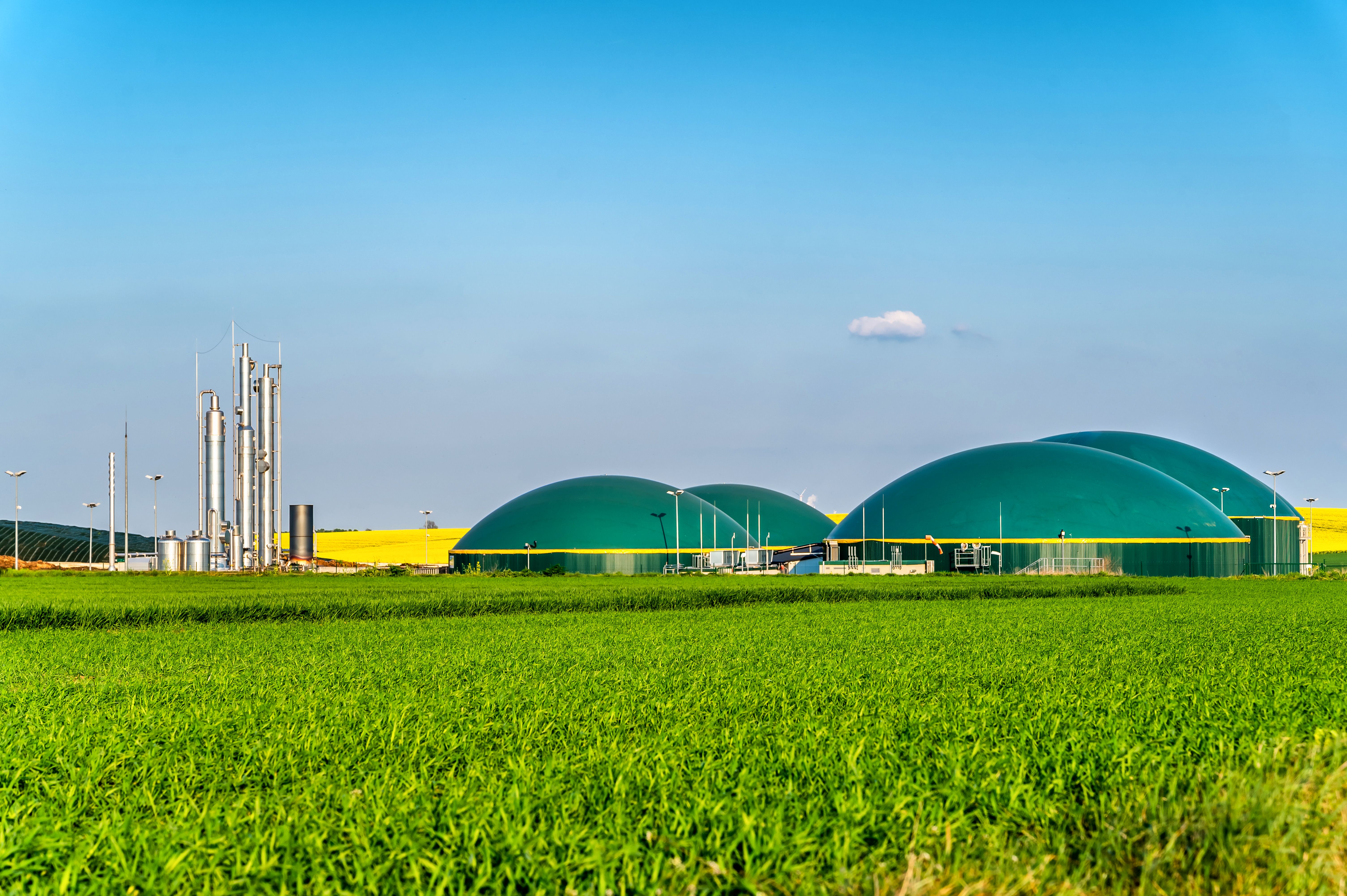
For years, renewable energy has been talked about more than delivered. That changed in 2025 with the announcement of an €80 million biomethane plant in Duleek, County Meath, due for completion in late 2026.
The facility is designed to inject renewable gas directly into the national grid and forms part of Ireland’s wider ambition to reach 5.7TWh of indigenous biomethane production by 2030. Crucially for farmers, the plant is expected to source feedstocks locally, within a defined catchment area, creating a commercial demand for slurry, silage and organic by-products.
For those operating nearby, this wasn’t theory, it was a rare example of renewable energy moving at industrial scale in an agricultural region.
Mercosur Moves From Policy Talk to Farm-Gate Fear
The EU–Mercosur trade deal dominated farm meetings and protest placards in 2025, and with good reason.
Under the agreement as negotiated, the EU would allow a tariff-rate quota of 99,000 tonnes of beef, subject to a 7.5% import duty, phased in over several years. The quota is split between fresh/chilled and frozen beef, directly overlapping with Irish export markets.
At a time when the average Irish beef farm income remains heavily dependent on direct payments, the prospect of additional lower-standard imports sharpened concerns around price pressure and long-term viability.

Nitrates Derogation: Relief — Followed by Reality
The announcement of a three-year extension to Ireland’s nitrates derogation, starting on 1 January 2026, brought short-term certainty. But it didn’t bring ease.
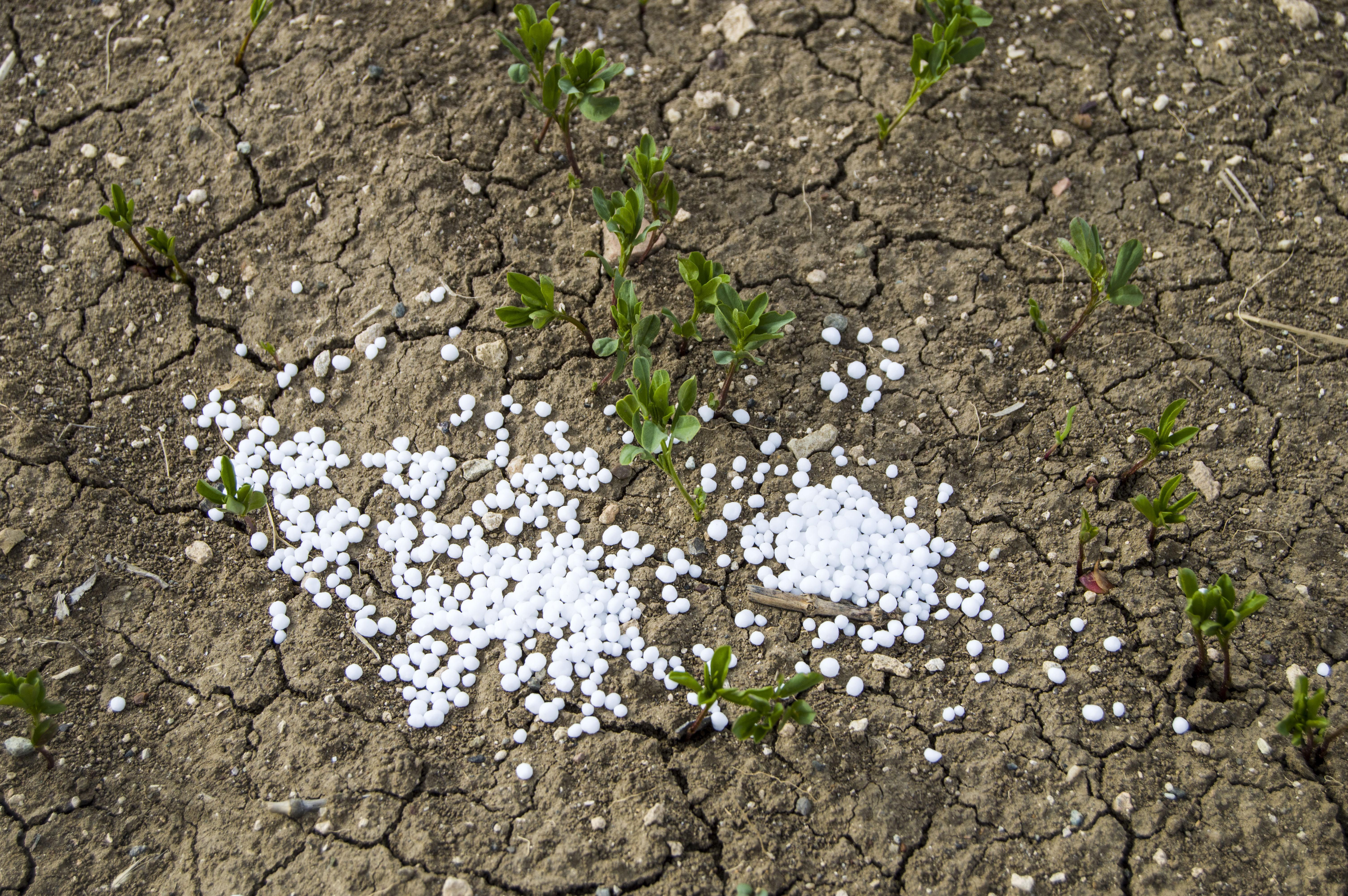
The extension applies to approximately 7,000 intensive dairy farms and comes with tighter conditions, including stricter limits on chemical nitrogen use in specific catchments, wider buffer zones and enhanced monitoring. From 2028, reduced fertiliser allowances will apply in designated areas.
For many farms already operating close to stocking and nutrient limits, 2025 marked the moment when compliance costs became impossible to ignore.
Animal Health: Bluetongue and the Vet Shortage Reality
Animal health crept back into sharp focus following confirmed bluetongue cases in Northern Ireland in late 2025, which led to increased surveillance across the island. While no widespread outbreak occurred in the Republic, the disease’s proximity triggered precautionary monitoring and movement awareness.
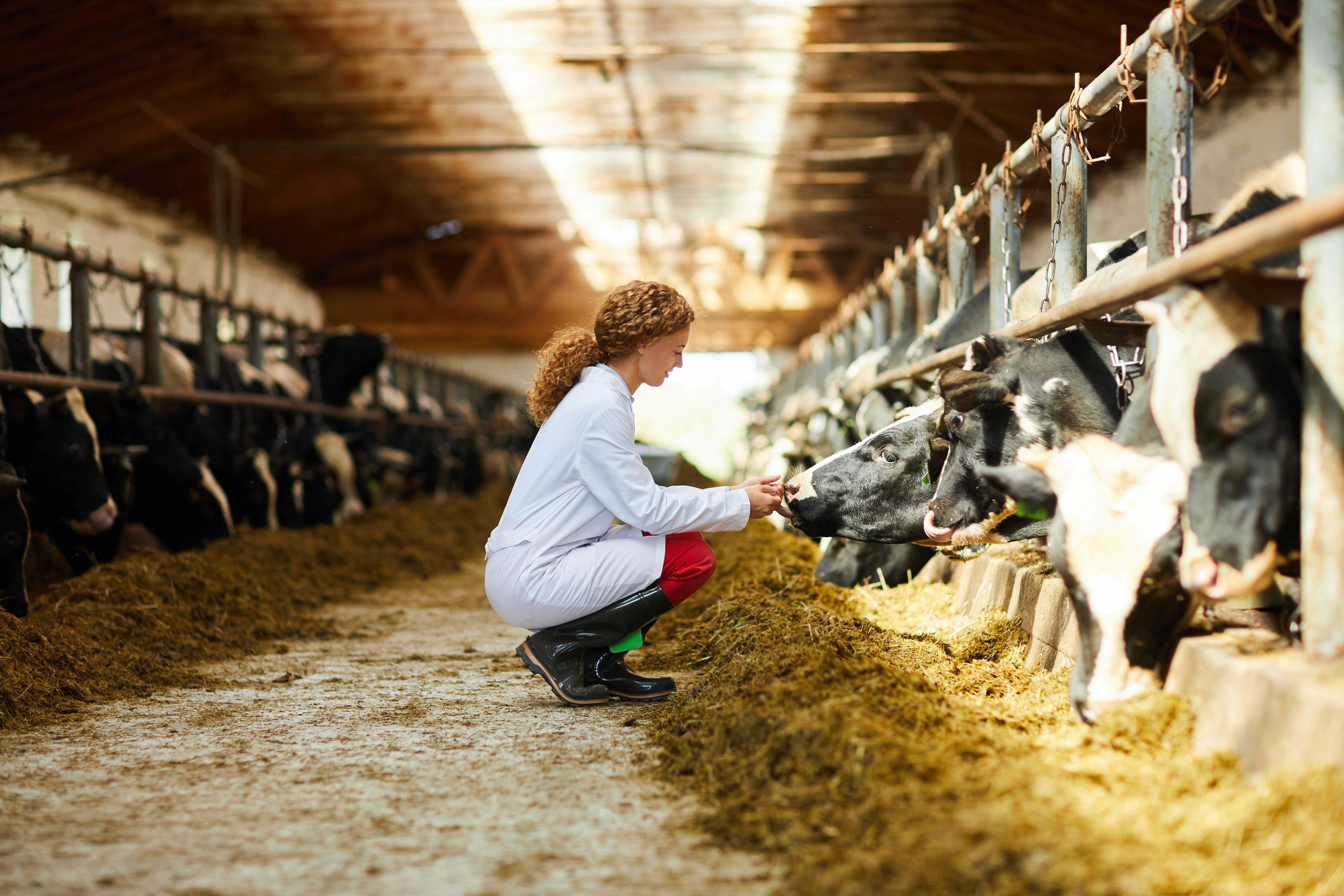
At the same time, long-standing veterinary capacity issues were addressed with the launch of a new five-year veterinary medicine programme, delivered primarily in Letterkenny, with part of the programme based at Mountbellew Agricultural College. The course aims to increase domestic veterinary graduate numbers and reduce reliance on overseas training routes.
For livestock farmers, this was a structural investment in animal welfare rather than a short-term fix.
Water Quality Tightens Its Grip
From 1 January 2025, the revised EU Urban Wastewater Treatment Directive came into force, significantly expanding requirements around wastewater treatment and catchment outcomes.
The updated rules place new emphasis on advanced treatment processes designed to remove pharmaceutical residues and micro-pollutants, shifting water policy toward whole-system accountability. While agriculture is not the sole contributor to water quality pressures, farming remains a highly visible stakeholder within mixed-use catchments.
For many farmers, 2025 reinforced the reality that water quality debates are no longer siloed, and that local actions are increasingly judged in a national and European context.
€13.6m to Reconnect Rivers — With Farmers in the Middle
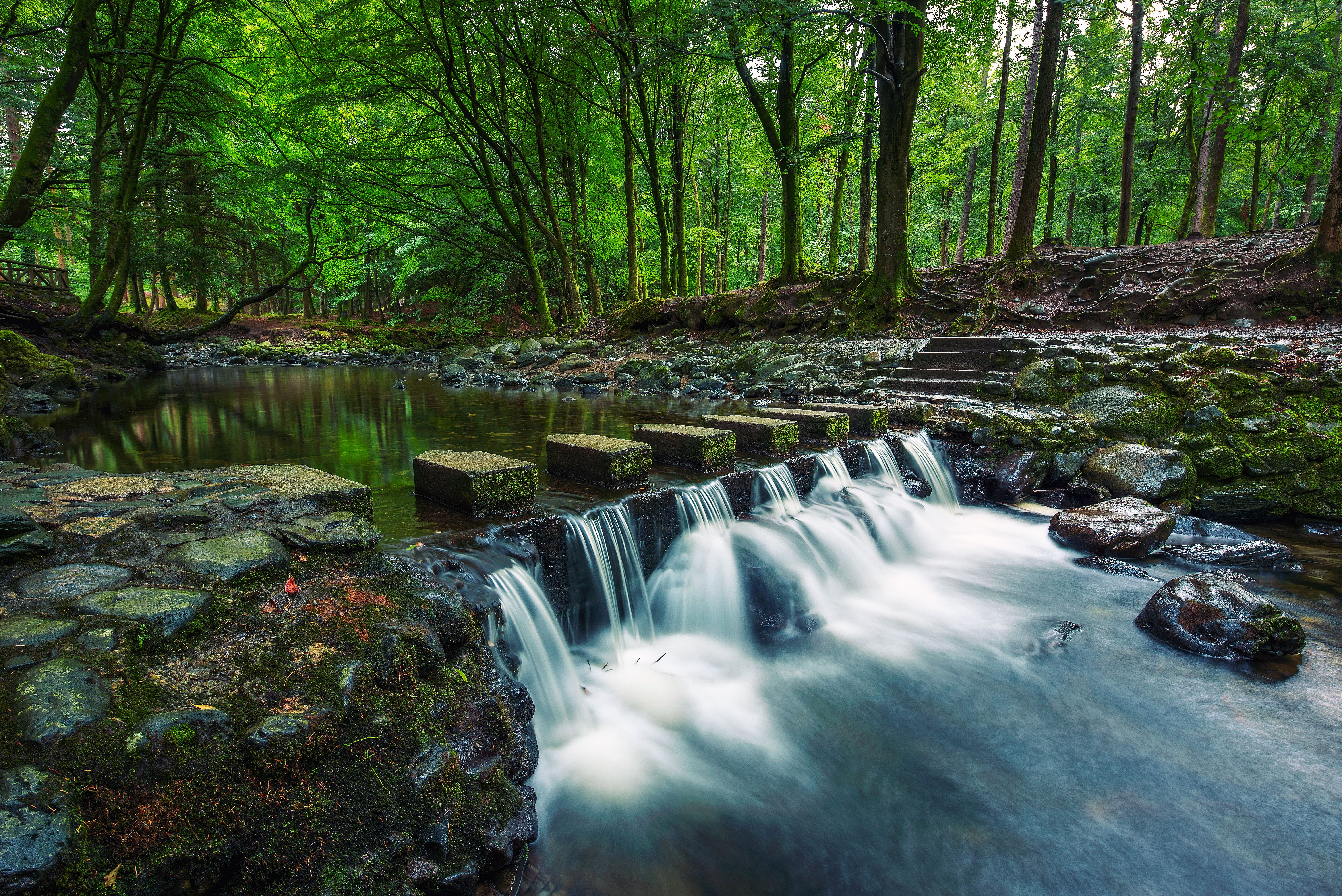
One of the more constructive developments of the year was the allocation of €13.6 million to address 103 river barriers under the national Barrier Mitigation Programme.
Projects are scheduled to roll out over one to five years, depending on complexity, and are designed to restore fish migration and river connectivity. Many of the targeted waterways pass through agricultural land, meaning landowner cooperation is central to delivery.
The funding marked a shift toward practical biodiversity investment, backed by money rather than messaging.
Nature Restoration: From Debate to Planning
Nature restoration stopped being theoretical in 2025. Ireland formally began work on its National Nature Restoration Plan, which must be submitted by September 2026.
The plan will outline how Ireland intends to meet EU-wide restoration obligations across habitats, peatlands, rivers and farmland. For farmers, particularly in marginal areas, the concern wasn’t about biodiversity itself — but about how restoration targets would interact with productive land use and farm viability.
By the end of 2025, one thing was clear: early engagement will determine whether restoration becomes collaboration or conflict.
Climate Signals Become Harder to Ignore
The global climate outlook hardened in 2025, with confirmation of a 70% probability that the average global temperature for the five-year period 2025–2029 will exceed 1.5°C above pre-industrial levels.
Closer to home, it was confirmed that summer 2025 was Ireland’s warmest on record, with a mean temperature of 16.19°C. Research linked unusually high night-time temperatures to human-driven climate change, conditions farmers increasingly recognise through altered grass growth, extended grazing seasons and unpredictable workloads.
The Narwhal Nobody Expected
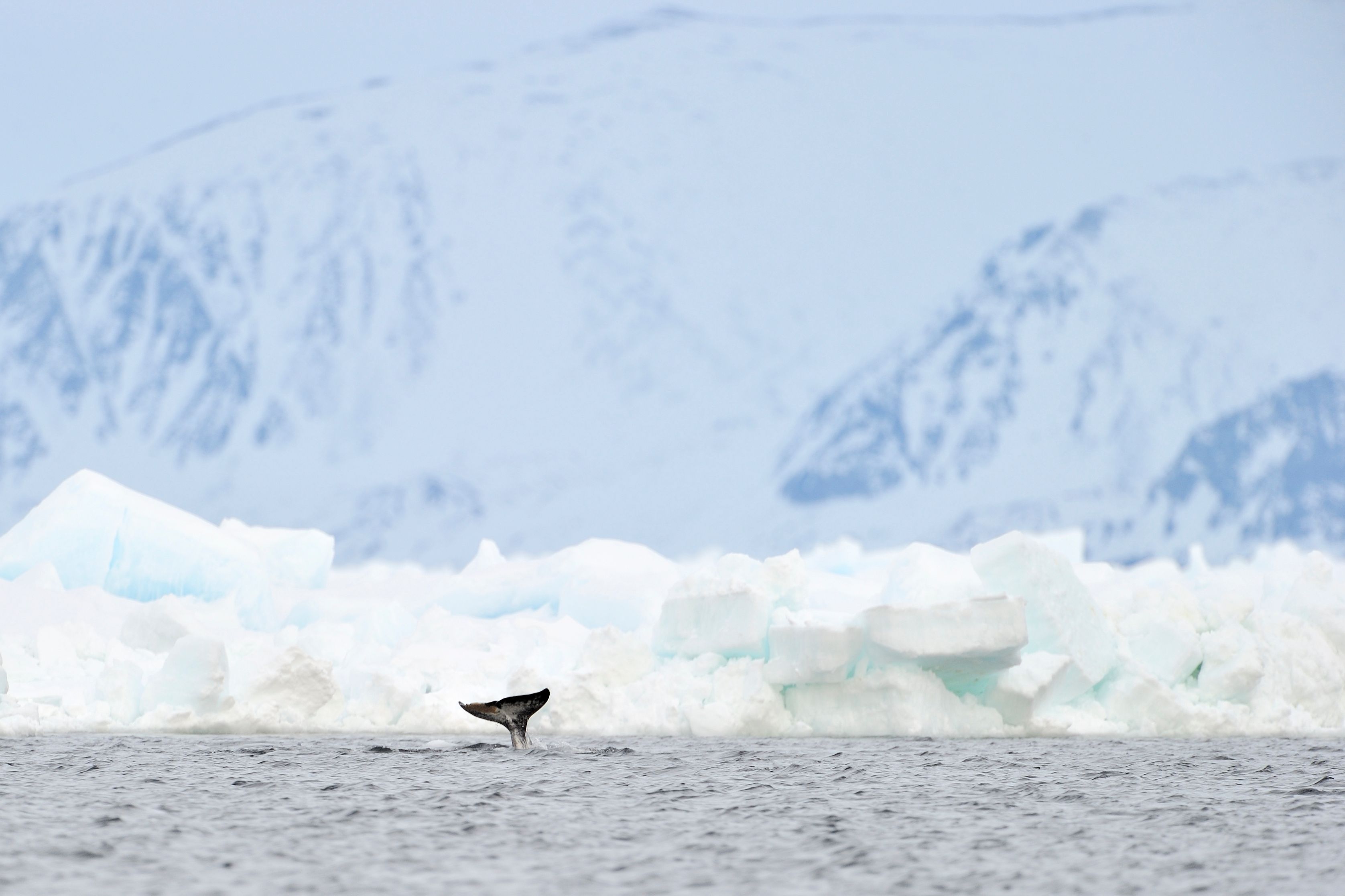
In November 2025, a narwhal, an Arctic marine species, stranded in County Donegal, the first recorded instance in Ireland.
While not an agricultural issue in isolation, the event became a powerful symbol of wider ecosystem disruption linked to changing ocean and climate conditions.
A Bright Spot: Irish Whiskey Breaks Records
Away from regulation and restriction, Ireland’s agri-food sector recorded a clear success. Irish whiskey reached record global sales of 16.15 million cases, with exports valued at over €1 billion.
The figures underline the scale of agriculture’s contribution beyond the farm gate, from grain production through to processing, branding and global export markets.

Small Change, Big Sense: Reusing ESB Poles
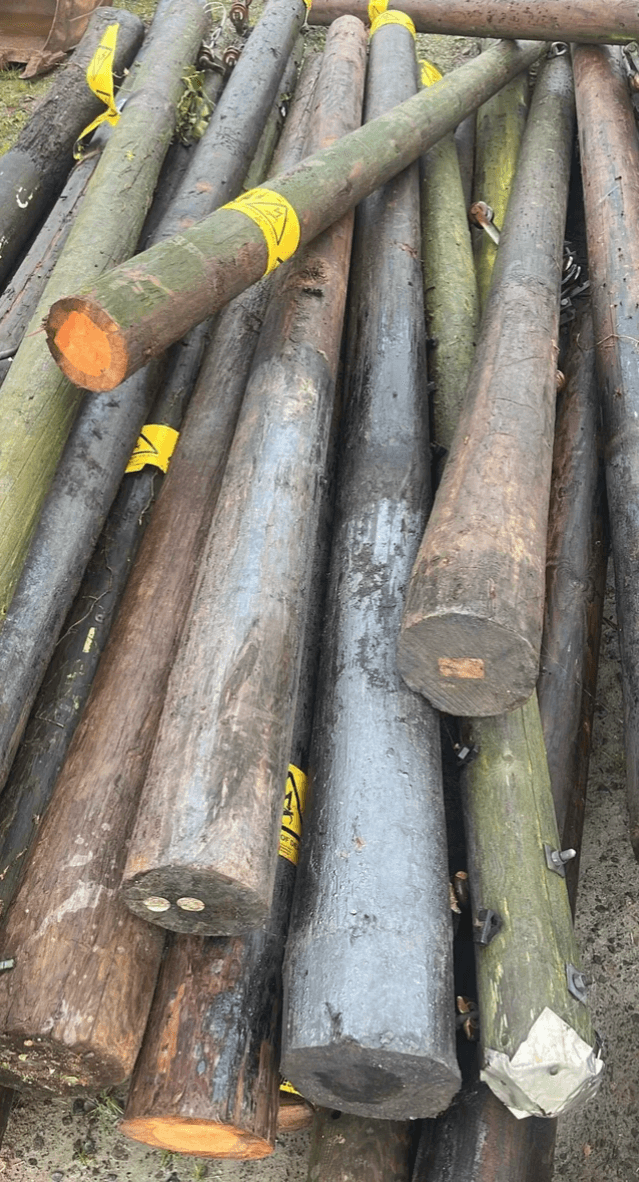
One of the most practical updates of 2025 was confirmation that recycled ESB poles could be used as straining posts under ACRES fencing measures.
While a small regulatory clarification, it allowed farmers to reuse materials already available on farms, reducing costs and waste while remaining fully scheme-compliant, a rare example of policy aligning neatly with practicality.
Conclusion
2025 wasn’t an easy year for Irish farmers. Trade pressure, tighter rules, disease vigilance and climate signals all arrived at once. But it was also a year that delivered €80 million in renewable investment, €13.6 million for river restoration, expanded veterinary training capacity, and record agri-food exports.
There’s no false optimism here, just the steady confidence of a sector that has always adapted under pressure, one decision at a time.
*By Anne Hayden MSc., Founder, The Informed Farmer Consultancy.