
A Wet Winter in Ireland: What It Means for Farming as Spring Approaches


Introduction
Anyone farming in Ireland this winter will already know the story. The fields have been slow to dry, machinery access has been limited in places, and every dry day has felt like an opportunity not to be wasted. While that’s nothing new for Irish agriculture, the past few months have been another reminder of just how closely farm decisions follow the weather.
Recent figures from Met Éireann put some numbers on what many farmers have already experienced. Ireland recorded a national mean temperature of 6.58°C between December and February, making it a relatively mild winter overall. At the same time, frequent rainfall and unsettled weather patterns have left many soils saturated across the country.
For farmers preparing for the spring season, the challenge now isn’t just temperature, it’s ground conditions.
Saturated soils and slow progress in the fields
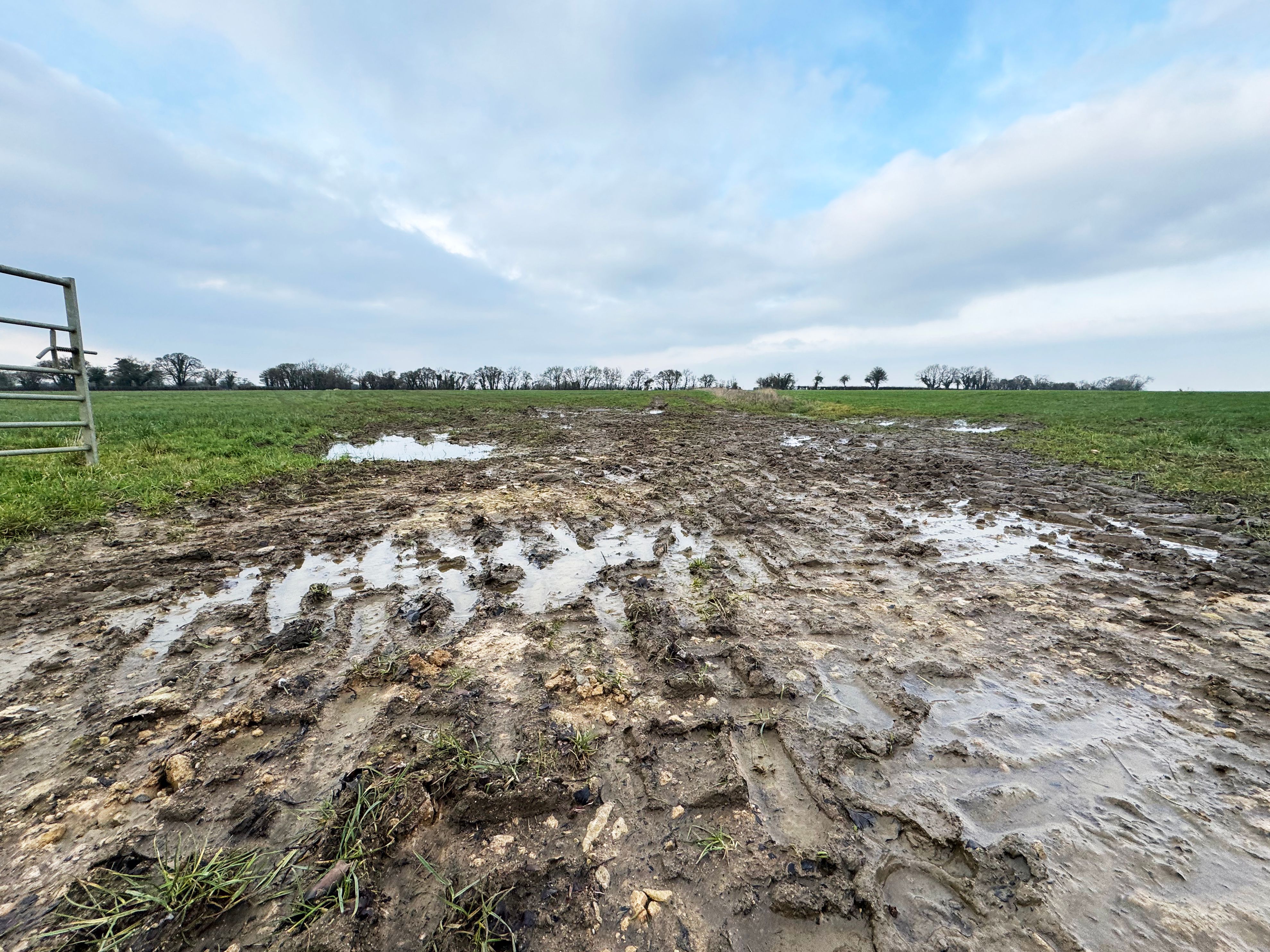
According to Met Éireann’s latest farming commentary, many soils across the country are currently saturated, with poorly drained soils waterlogged. That kind of situation is fairly typical towards the end of winter, but when it lingers it can delay early spring activity.
When soils are holding that much moisture, everyday farm jobs become harder to manage. Machinery access becomes restricted, livestock turnout has to be carefully considered, and the risk of damaging soil structure increases if fields are used too early.
Even when a few dry days appear, improvement can be slow. On heavier soils in particular, it can take time for land to recover enough to safely carry machinery or grazing animals again.
Rainfall has varied widely across the country
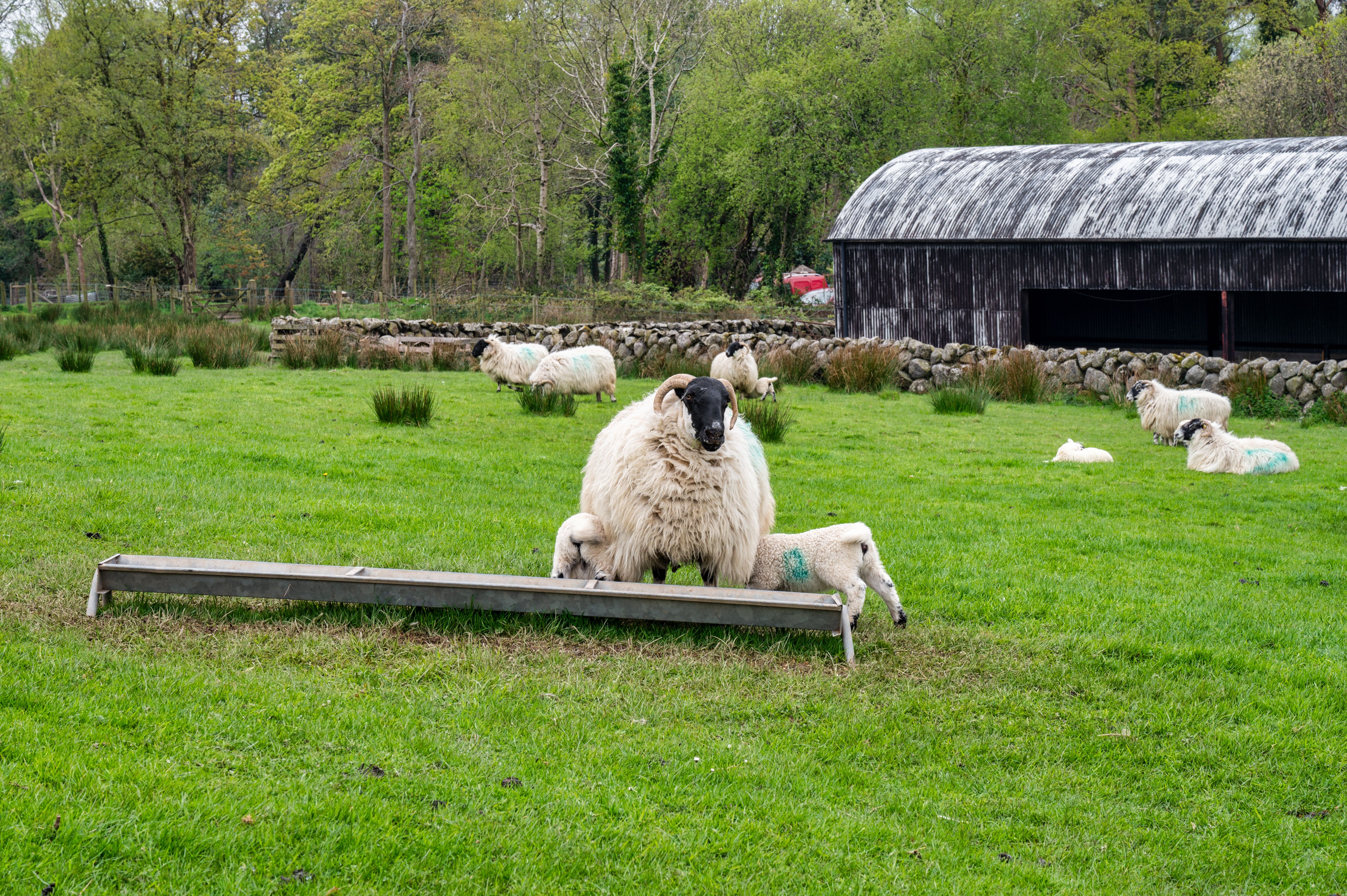
One of the things that often surprises people outside farming is how different conditions can be from one part of the country to another.
Over the past week, rainfall totals ranged from 53% of the weekly average in parts of the north to as much as 166% of average in some southern and south-eastern areas. That kind of variation means that while some farms may begin to see conditions improve, others may still be dealing with saturated ground.
Temperatures during the same period have remained relatively mild. Mean air temperatures ranged from 6.7°C to 8.7°C, which is 0.6°C to 1.9°C above the long-term average for this time of year.
Mild weather might normally be welcome at this stage of the season, but without enough dry weather to balance it out, ground conditions remain the main limiting factor.

Warmer soils could support early grass growth
One positive sign for the season ahead is soil temperature. Measurements across the country show mean soil temperatures between 7.5°C and 9.2°C, which is 2.1°C to 4.2°C above the seasonal average.
For grass-based systems like those used across much of Ireland, soil temperature plays a major role in early grass growth. Once soil temperatures rise above around 6°C, grass can begin to grow again after winter dormancy.
In theory, that means conditions are favourable for early grass production. In practice, however, saturated soils may prevent livestock from accessing fields until ground conditions improve.

Waiting for the dry windows
Anyone who farms in Ireland knows that the weather rarely settles into a long dry spell at this time of year. Instead, it tends to arrive in short windows between Atlantic weather systems.
Met Éireann’s outlook suggests that drying conditions are expected to remain generally poor in the short term, although there may be some improvement later in the week if rainfall eases for a period.
Those brief dry spells often become the most important days of the season. They provide the opportunity to move livestock, apply slurry or fertiliser, and begin the gradual shift from winter housing back to grass.
Timing those decisions carefully can make a big difference to how well fields recover after a wet winter.
The balance farmers face each spring
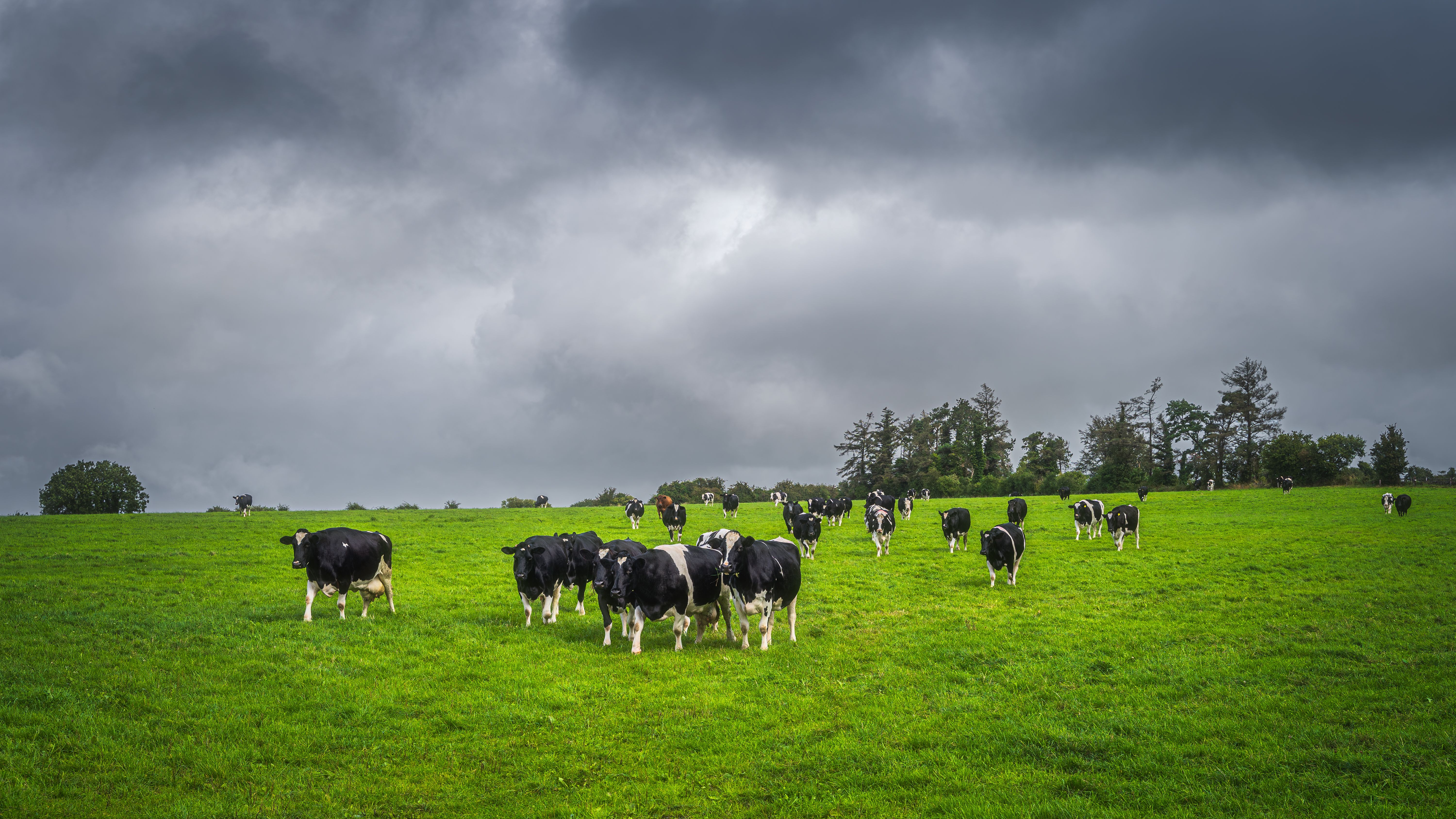
The coming weeks are always a balancing act on Irish farms. Temperatures may suggest that grass is ready to grow, but ground conditions often decide when activity can actually begin.
Where soils remain wet, turnout may need to be limited to the driest paddocks first. Machinery work may also have to wait until fields can carry equipment without risking compaction.
These decisions are part of the rhythm of farming in Ireland. Every year brings its own variation of the same challenge: working with the weather rather than against it.
Conclusion
In many ways, this winter simply reinforces what farmers already understand. Irish agriculture operates in a climate where conditions can shift quickly, and where rainfall often dictates the pace of work.
A mild winter, like the one recorded this year with a national mean temperature of 6.58°C, may help encourage early growth. But when that warmth comes alongside persistent rain, the benefits can take longer to show on the ground.
For now, many farmers will simply be watching the forecast and waiting for those few dry days that make all the difference because in Irish farming, the weather rarely waits, and neither can the work that depends on it.
*By Anne Hayden MSc., Founder, The Informed Farmer Consultancy.