
ATU’s New Vet Course: Transforming Rural Ireland


Introduction
When ATU confirmed its new veterinary medicine programme, it landed differently for people in farming. This wasn’t just another academic announcement. For many farmers, especially in the west and northwest, it felt like someone had finally listened. Access to vets has been a simmering issue for years, and now a proper home-grown solution is starting to take shape.
Why This Matters: The Vet Shortage Has Been Real
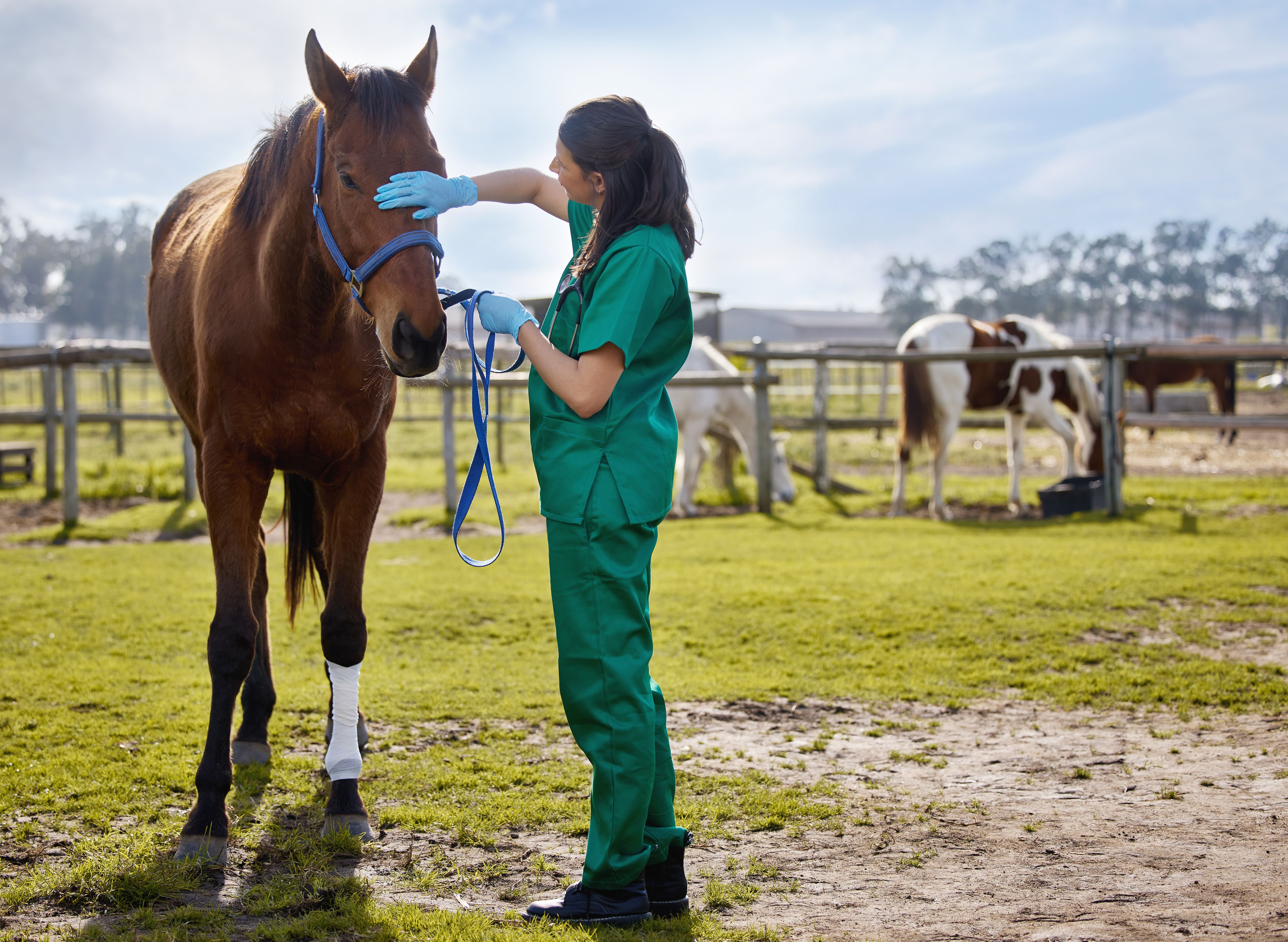
Anyone running livestock knows the story. You ring the vet and they’re already covering three calls. Calving issues at 2am, lame cows on a wet Tuesday morning, sick lambs before breakfast, it all hinges on having someone available, and too often they simply aren’t.
Ireland has been patching the gap with foreign-trained graduates for years. In 2021 alone, around 70% of new vets registering in Ireland had trained outside the country, and 45% were foreign-qualified vets altogether. That level of dependence isn’t sustainable, and rural practices have been feeling the strain longest.
So when ATU announced its five-year veterinary course, running across Letterkenny and Mountbellew, with a new clinical facility on the way, it felt like the first real step toward easing that pressure.
What Farmers Stand to Gain
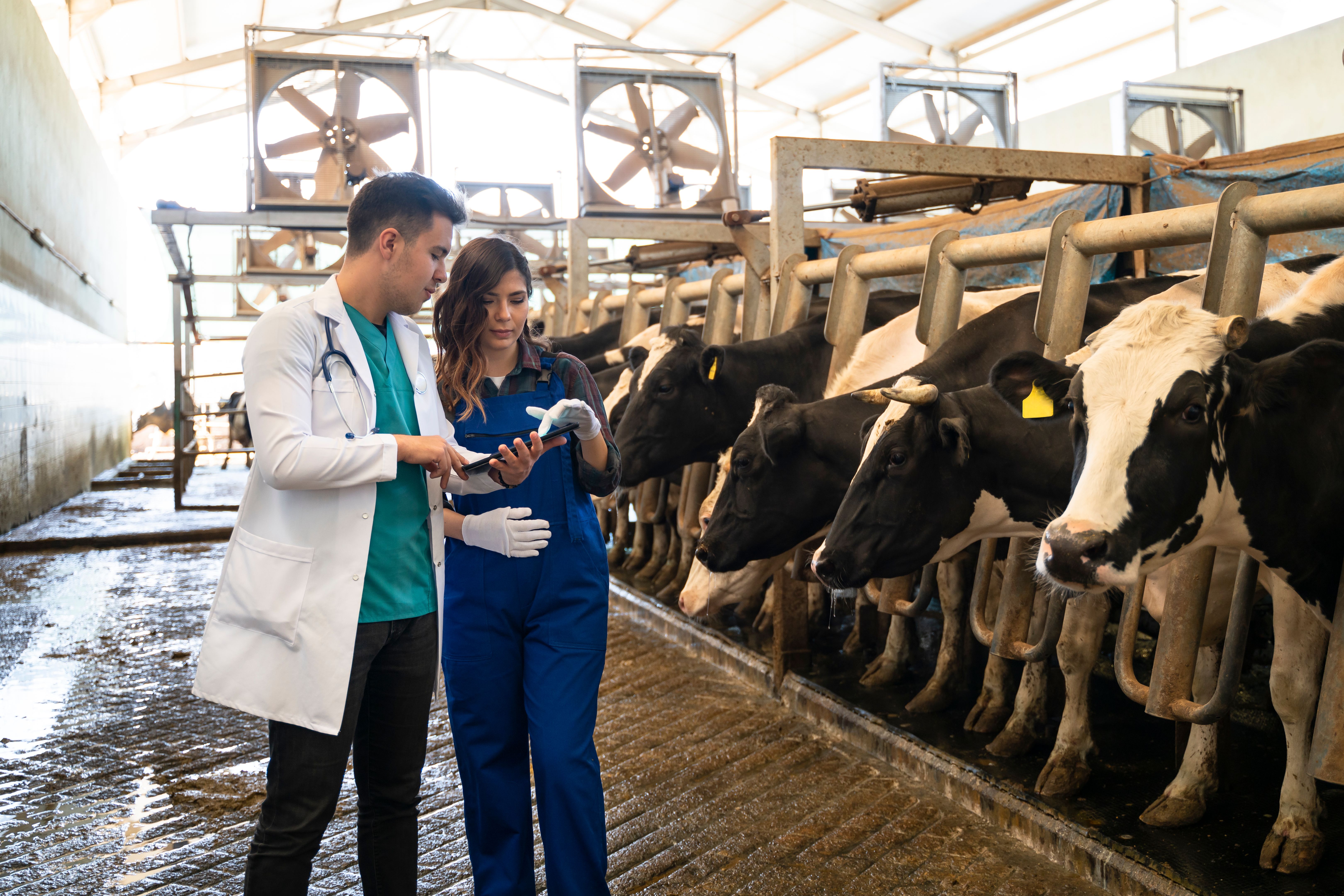
The impact won’t be immediate, but it will be meaningful. More vet training places mean:
- Better access to large-animal care, especially in areas that struggle to recruit.
- Vets trained in the realities of Irish systems, not intensive feedlots abroad.
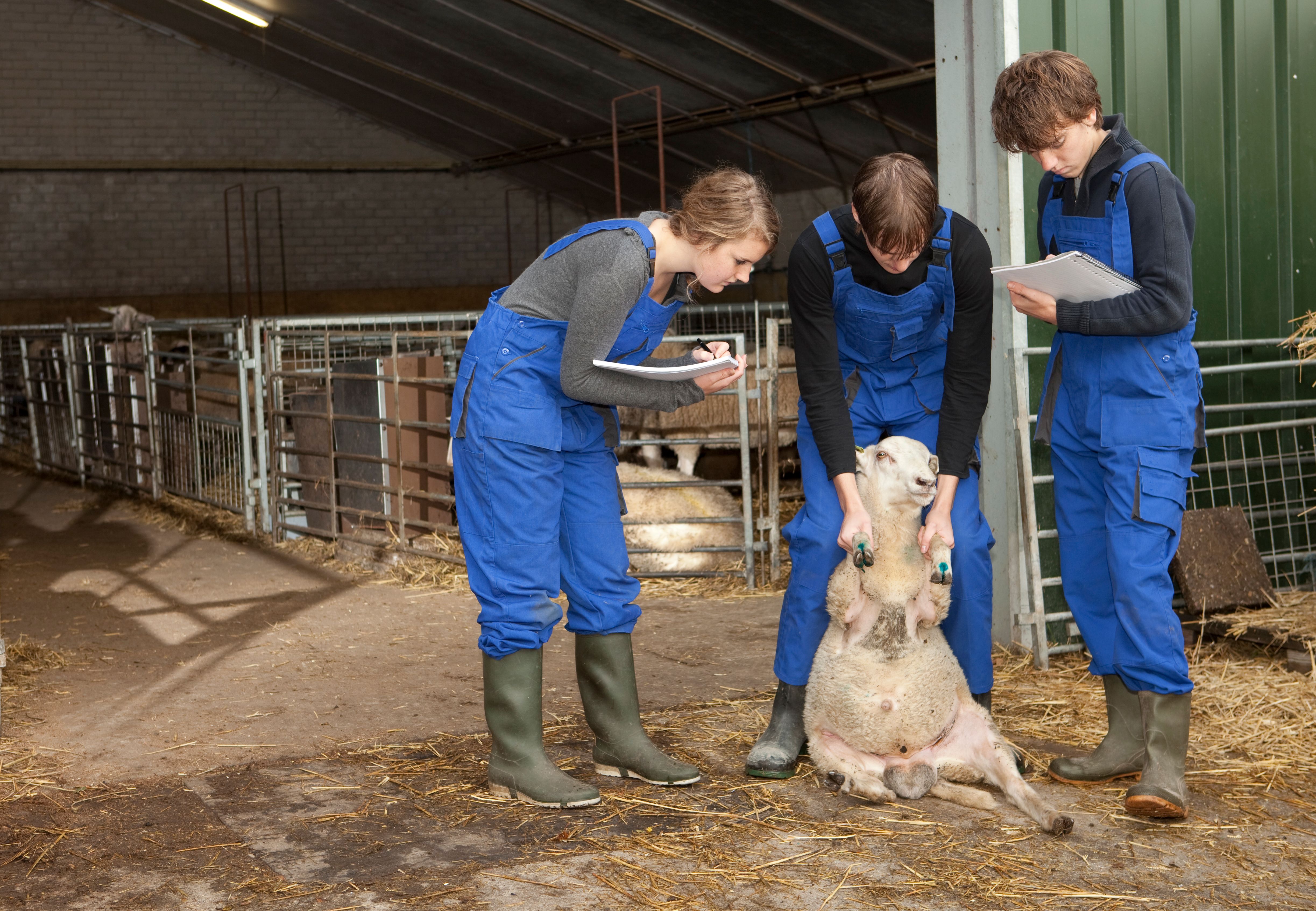
- A pipeline of students looking for placements, making extra hands available on local farms.
- A more grounded relationship between vets and farmers, because the training is happening right in the middle of livestock country.
Donegal and Galway might not have been the obvious choice a decade ago, but placing a vet school in the heart of farming is exactly what rural Ireland needed.

Building Capacity — Slowly but Properly
The rollout hasn’t been rushed, which is probably for the best. ATU has moved the first intake to September 2026, giving time for accreditation and the construction of a new €41 million veterinary facility on campus. The plan is to take in about 30 students per year, a number that won’t overwhelm the system but will steadily build the workforce.
It won’t solve the vet shortage on day one. Training takes five years, and the first graduates won’t hit the ground until the early 2030s. But for the first time in decades, Ireland is building its own long-term solution rather than relying on overseas colleges.

A Boost for Rural Economies Too
What often gets overlooked is how much a vet school contributes to a local area beyond the classroom. Students live, shop, and work locally. Practices take on trainees. Research partnerships form with local farmers. Jobs follow the investment.
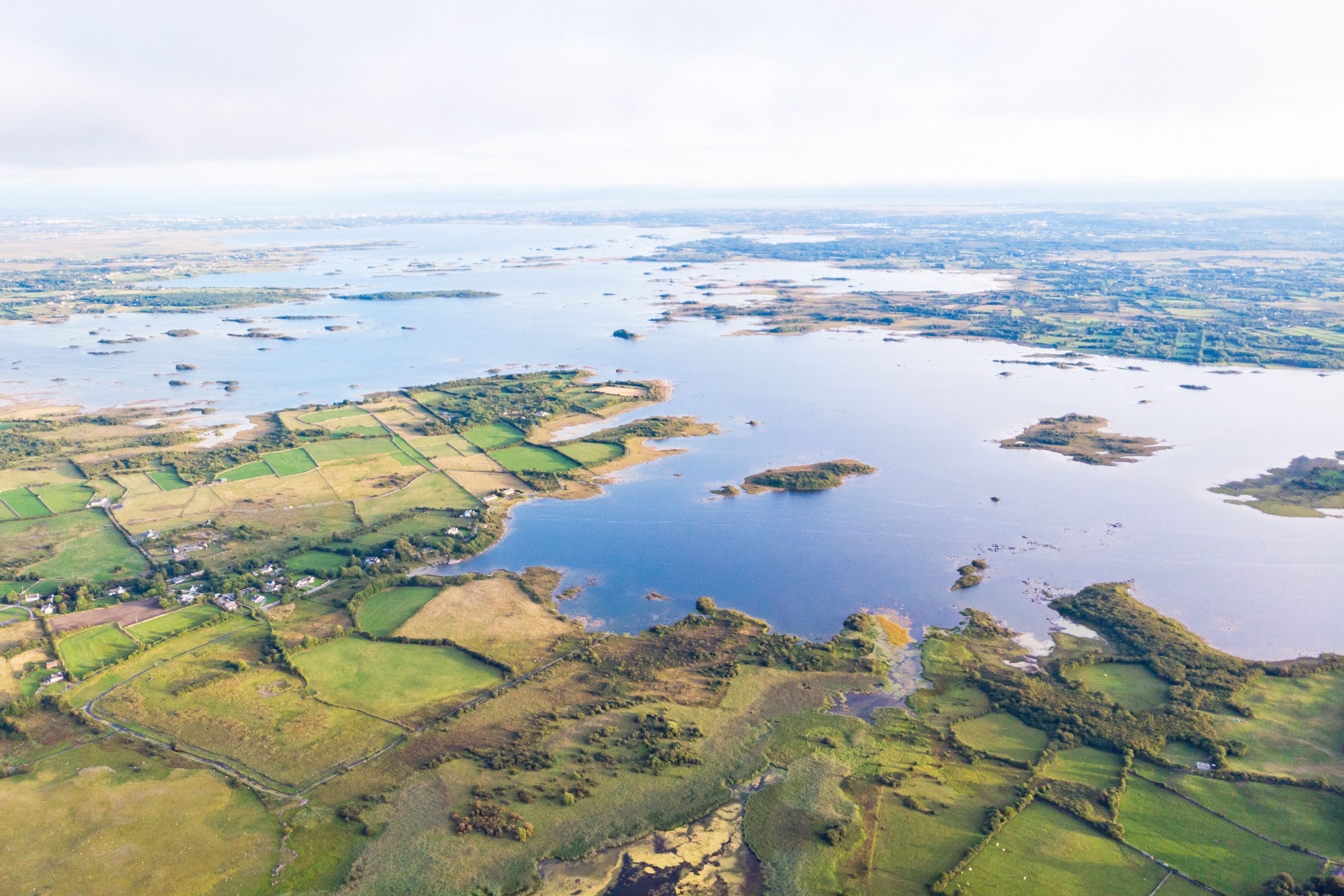
And in towns like Letterkenny, Ballinasloe, Tuam, Glenamaddy or Mountbellew, places with deep agricultural roots but limited higher-education infrastructure, that matters. It brings confidence, footfall, and a sense that rural Ireland isn’t being left behind.
A New Direction in Veterinary Training
One aspect that’s getting strong praise within the sector is the course design. It’s not simply a copy-and-paste of existing programmes. ATU is shaping a curriculum that mirrors:
- Grass-based dairy systems.
- Suckler and store-beef production.
- Hill sheep farming.
- Animal welfare in extensive systems.
- Disease prevention in wetter, variable climates.
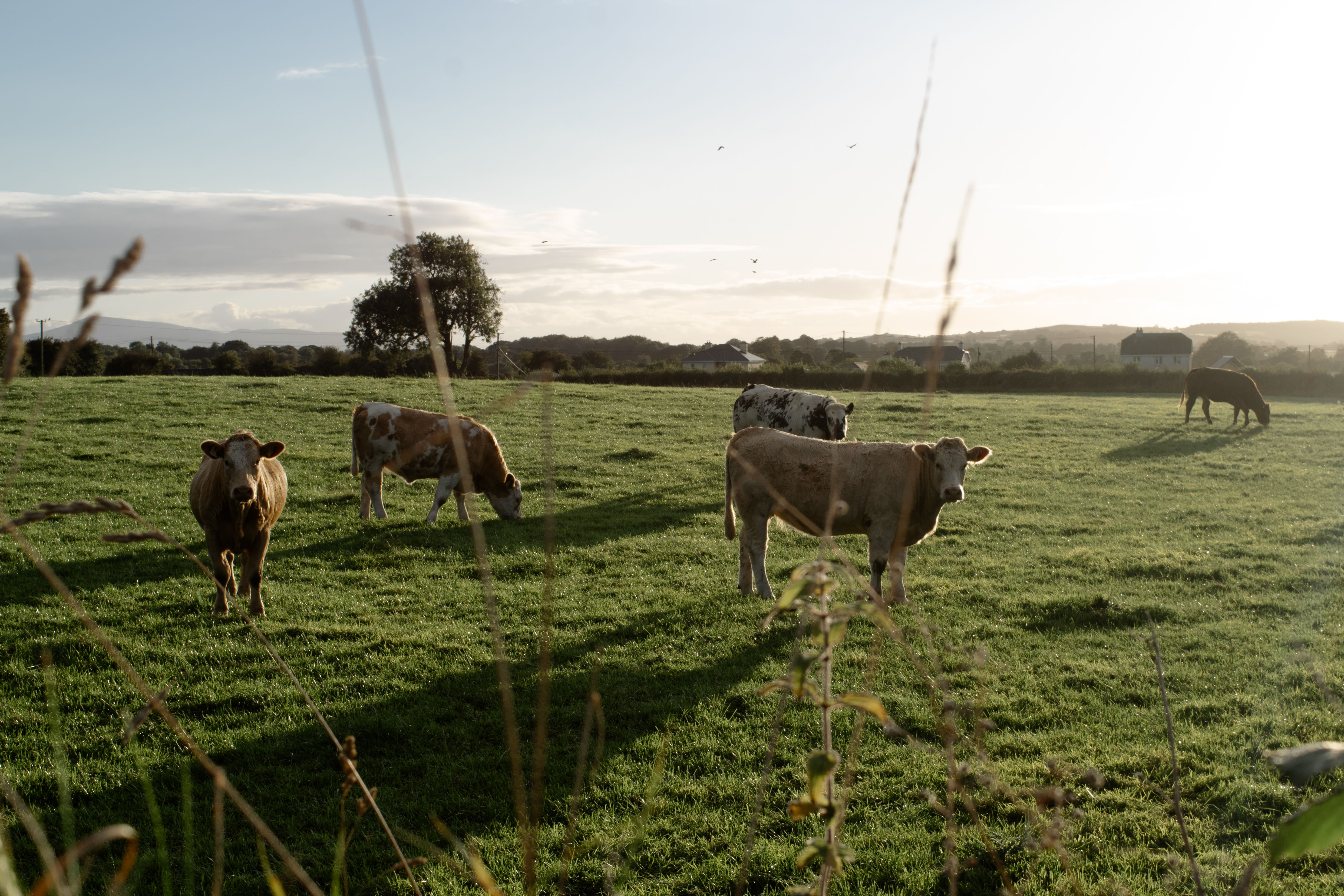
This matters more than it might sound. A vet trained entirely in a dry-land, housed-beef or intensive poultry system abroad is starting from scratch when faced with Irish mud in February, a half-wild ewe on a hillside, or mastitis patterns linked to wet summers and heavy clay soils.
ATU’s approach gives new graduates a fighting chance of being “farm-ready” when they start work.
What Farmers Can Do Now
Even though the first intake is a year away, there are already ways to engage:
- Offer placements when the school begins, farms that get involved early will build relationships quickly.
- Give feedback to the college about local needs; ATU has been open to shaping modules around real-world farming.
- Prepare for more option in your area, over time, competition for large-animal work could improve availability.
Encourage younger farmers who might be thinking of veterinary medicine; for rural students, this route is far more accessible than before.
Conclusion
The launch of ATU’s veterinary programme marks a rare moment where policy, education, and rural needs actually line up. It won’t fix everything overnight, the shortages will continue for a few more years, but it’s a turning point worth marking.
For the first time in a long while, Ireland is investing in a system that recognises just how essential vets are to farming communities. When the person arriving at your yard trained down the road, understands your land type, and knows the realities of Irish livestock, everyone wins, the farm, the animals, and the wider community.
*By Anne Hayden MSc., Founder, The Informed Farmer Consultancy.