
Denmark’s €1.04 Billion Farm Exit Plan — Should Irish Farmers Be Watching?


Introduction
When news broke that the EU had backed Denmark’s €1.04 billion plan to take land out of production, it raised a few eyebrows here. Not panic, but definitely interest because once something like that gets approved in one EU country, people naturally wonder what direction policy is drifting in.
Denmark isn’t Ireland. Their system is different, their scale is different, but the thinking behind the move, that’s what’s worth paying attention to.
What Denmark Is Actually Doing
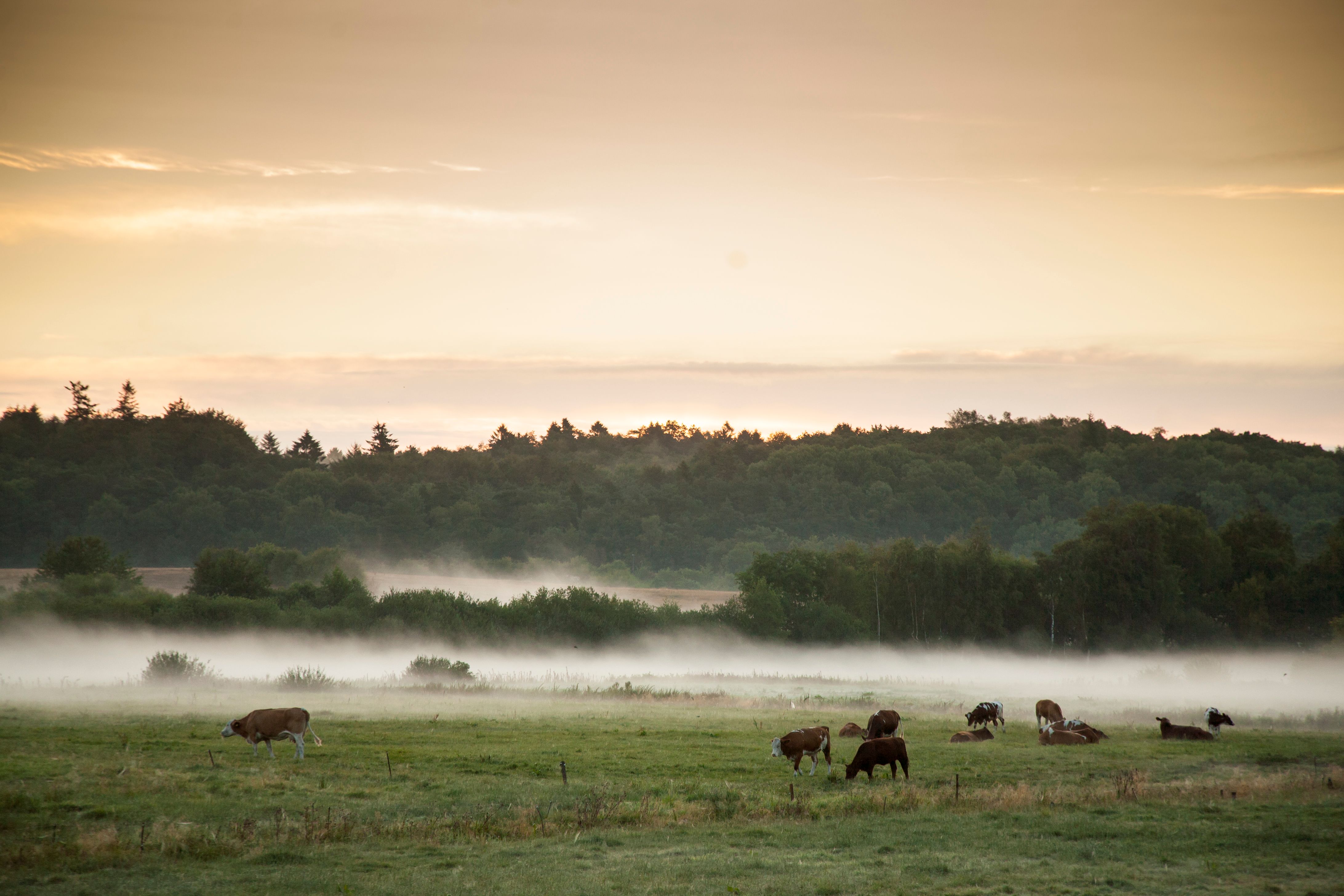
In simple terms, Denmark is offering compensation to farmers who voluntarily take land out of agricultural or forestry production. It’s not compulsory. No one is being marched off their farm. But the offer is there, real money in exchange for permanent land change.
The total package is €1.04 billion. That’s not a token scheme, that’s a serious financial commitment.
The backdrop is climate policy. Agriculture is understood to account for about a third of Denmark’s national emissions, so the Danish government is looking at land use as one of the fastest ways to shift the dial.
You don’t need to agree with it to understand the logic. If land use contributes heavily to emissions, change the land use. But that’s where things get complicated.
The Argument in Favour
There are farmers, in Denmark and elsewhere, who might quietly see the appeal of something like this.
In Ireland, the average farmer age is 58. A lot of farmers are thinking about succession, retirement, or what the next ten years look like. Not everyone has someone ready to step in.
If you’re nearing the end of your farming career and feeling squeezed by regulation, costs and compliance, a properly funded voluntary exit might look like a dignified way to step away.
There’s also the argument that this approach is more honest than endless regulation. Instead of tightening rules until production falls anyway, Denmark is effectively saying: if we need less production in certain areas, we’ll pay for it. From a purely climate-policy perspective, it’s clear and direct.
But Here’s the Uneasy Side of It
Taking land out of production isn’t the same as improving efficiency. It reduces output, that matters.
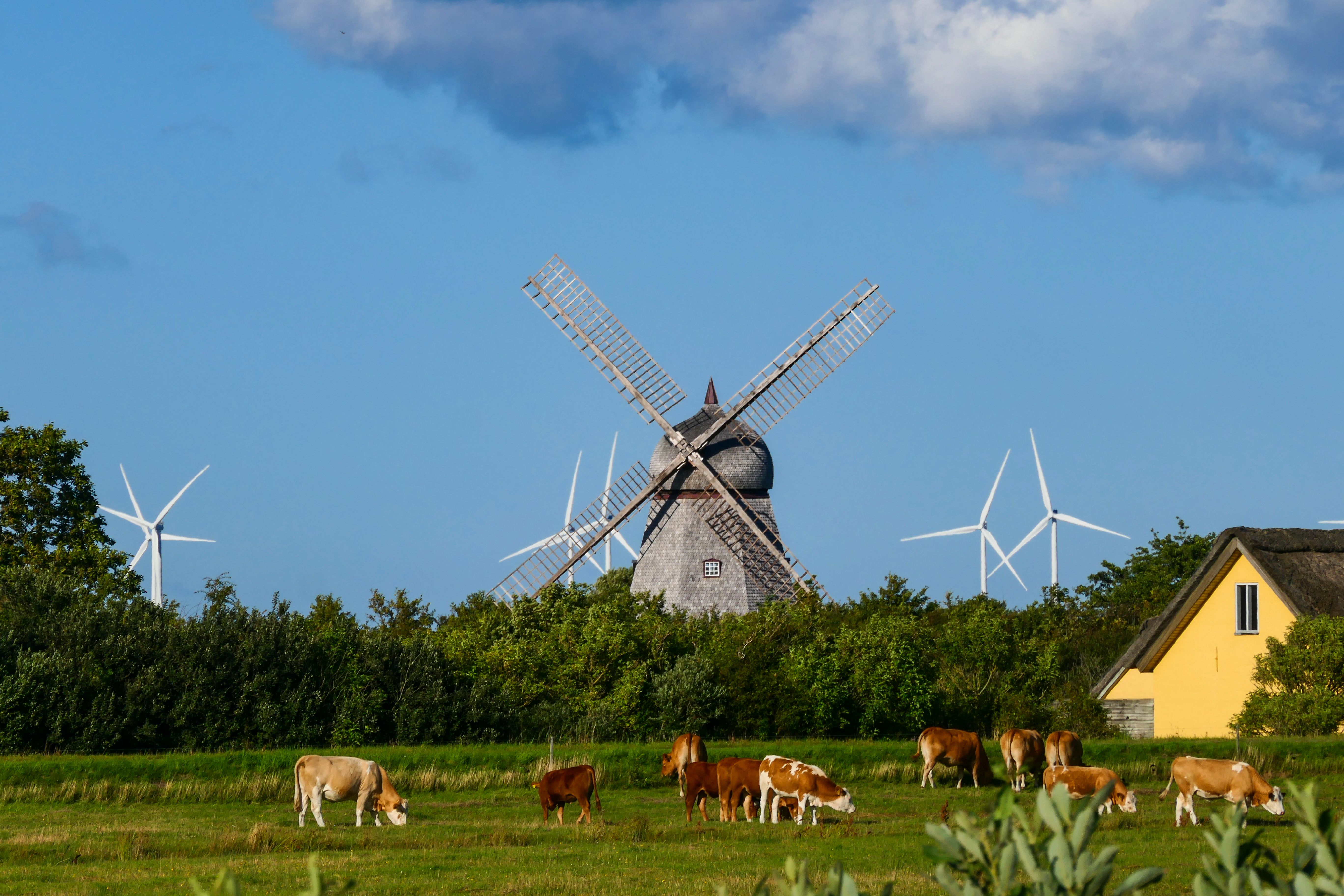
Ireland exported €18.1 billion worth of agri-food products last year. That’s not small change, it underpins rural economies, processing jobs and trade relationships. The agri-food sector here supports almost 160,000 jobs. That’s farmers, processors, hauliers, feed merchants, vets, contractors, the whole chain.
If land leaves production permanently, the ripple doesn’t stop at the gate.
There’s also the bigger question of displacement. If Denmark produces less food, global demand doesn’t vanish, it moves somewhere else. Possibly somewhere with lower environmental standards. So the question becomes: are emissions reduced, or simply relocated?
Ireland Is Different — But Not Immune to Policy Drift
It’s important to be realistic, Ireland has not announced anything remotely like Denmark’s scheme.
Our farming system is largely grass-based. Family farms dominate, production structures differ, what makes sense in one country doesn’t automatically transfer to another.
But EU policy thinking does move in waves, once a model is tested in one member state, it enters the wider conversation, and if EU funding increasingly rewards environmental outcomes over production, that changes the tone of agricultural policy across the board.
We’re already seeing that shift through CAP reforms and eco-schemes. Denmark’s move just pushes the idea further, paying for permanent land change rather than management tweaks.
So Is It Good or Bad?
It depends where you stand.
It could:
- Offer older farmers a structured, funded way out.
- Help meet national climate targets quickly.
- Reduce environmental pressure in sensitive areas.
It could also:
- Shrink productive capacity.
- Weaken rural economies over time.
- Set a precedent that farming is something to reduce rather than support.
Both perspectives are reasonable, that’s why the debate matters.
The Bigger Question
At its core, this isn’t just about Denmark. It’s about what agricultural policy is for:
- Is it primarily about managing food production?
- Is it about climate mitigation?
- Is it about rural communities?
- Or is it trying to juggle all three?
Because once public money starts flowing toward non-production in a significant way, that signals a shift in priorities.
And shifts in priorities rarely stay contained within borders.
Conclusion
Denmark’s €1.04 billion scheme isn’t a template for Ireland, not today anyway. But it is a signal.
The direction of EU agricultural policy is evolving, environmental outcomes are increasingly central, and how that balance is struck between production and land transition will shape the next decade of farming across Europe.
Irish farmers don’t need alarm bells but they do need awareness.
Because when policy moves quietly in one country, it often echoes elsewhere later on.
*By Anne Hayden MSc., Founder, The Informed Farmer Consultancy.