
Europe Has Less Beef to Sell — and That Changes the Conversation for Ireland


Introduction
For a long time, the European beef debate revolved around markets: where the product was going, who we were competing with, and what trade deals might open or close doors.
What’s happening now is more fundamental. The issue is no longer whether there are customers, it’s whether there are enough cattle.
The most recent trade figures make that very clear. EU beef exports for the first ten months of 2025 fell by almost 16%, dropping from 992,000 tonnes in 2024 to just over 704,000 tonnes in the same period last year. At the same time, imports moved sharply the other way, rising by 18.3%.
That’s not a blip. It’s a supply signal.
The reality behind the factory gate
Anyone watching throughput over the past year will already have felt it. The trade data simply confirms what has been obvious on the ground.
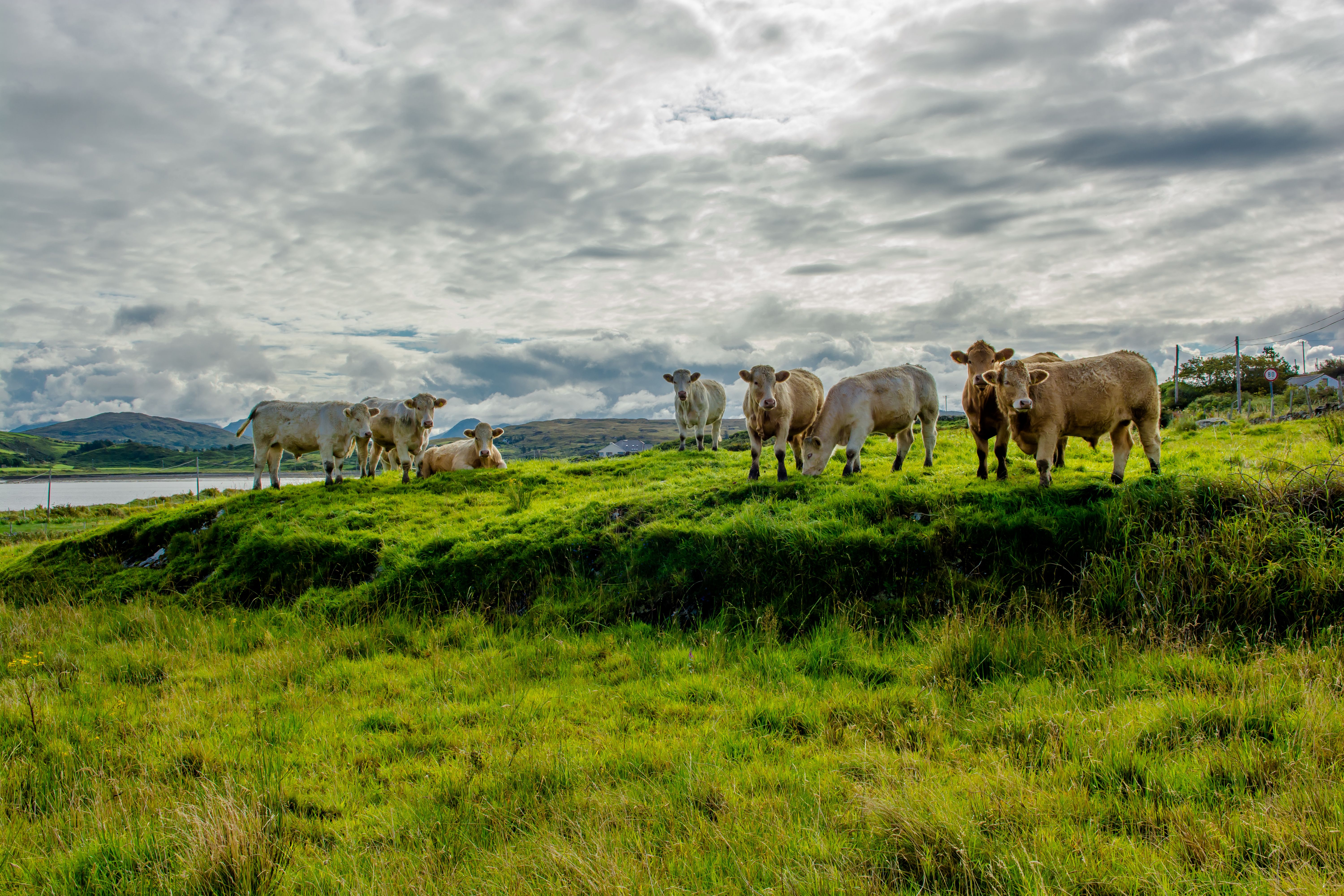
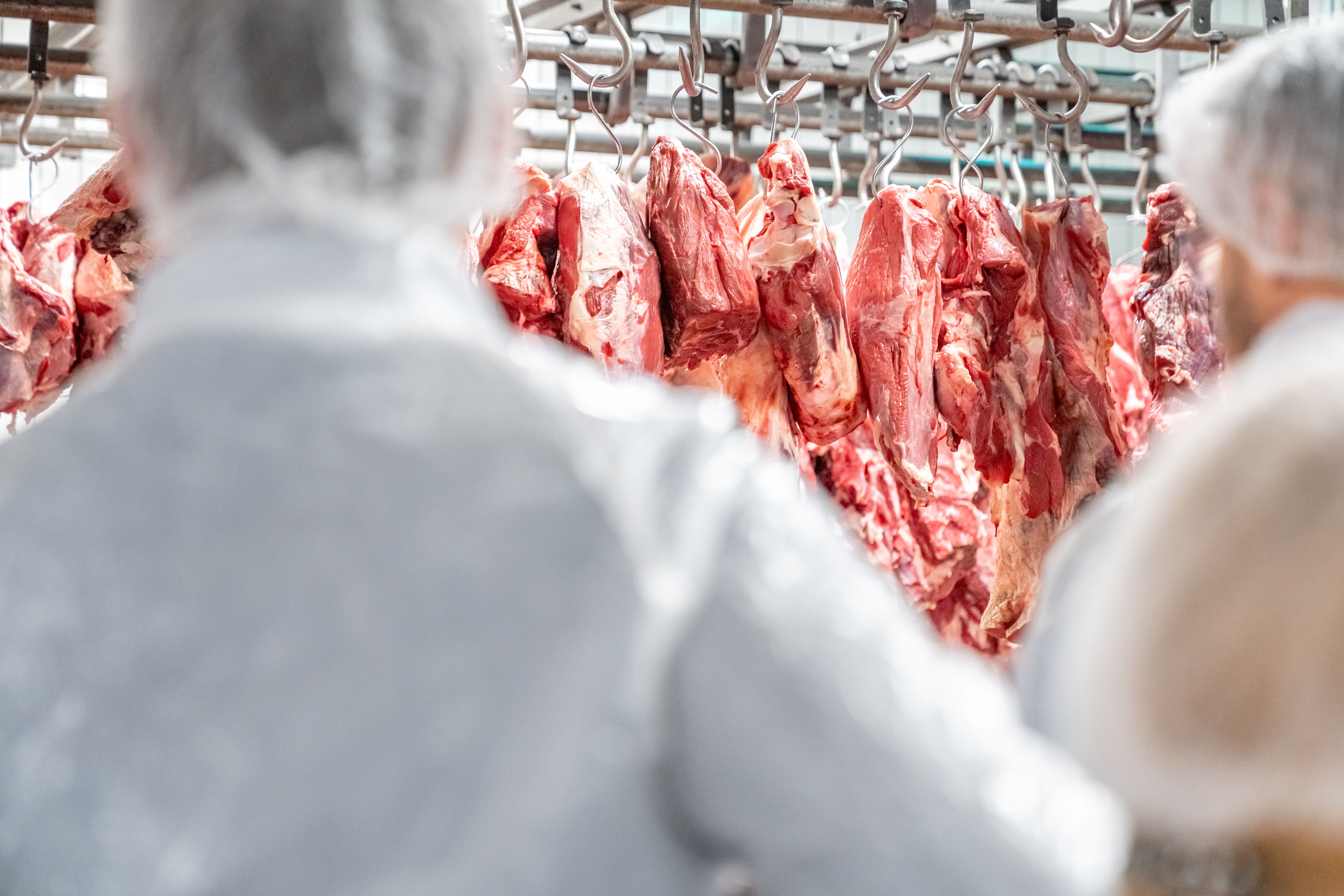
Across the EU, beef production for the first eight months of 2025 dropped by 169,000 tonnes, as cattle slaughter fell by 5%, the equivalent of 804,000 fewer animals coming through the system.
Ireland is very much part of that story. The national kill in 2025 was down by 213,057 head. In production terms, output for the same period measured at EU level fell by around 6%, or close to 20,000 tonnes.
That tightening supply is the reason demand for finished stock has stayed so strong and why prices have gone where they have. In October 2025, the EU bullock price hit €7.39/kg, up 43.6% in a year.
At farm level that has been welcome. At trade level it changes how competitive Europe is.
The UK still sets the tone
For all the talk about diversification, the structure of the export market hasn’t shifted nearly as much as people sometimes assume.
The UK still takes almost 38% of all EU beef exports. And in a year when overall export volumes fell sharply, shipments to the UK dropped by only about 7%.
That tells its own story, the UK remains structurally short of beef, and geography still matters.
For Ireland, that’s central to everything. Our system is built around supplying that market efficiently and consistently. In a Europe where product is becoming scarcer, that proximity is not just an advantage, it’s a strategic asset.
Imports are filling the space
The other side of the equation is just as important.
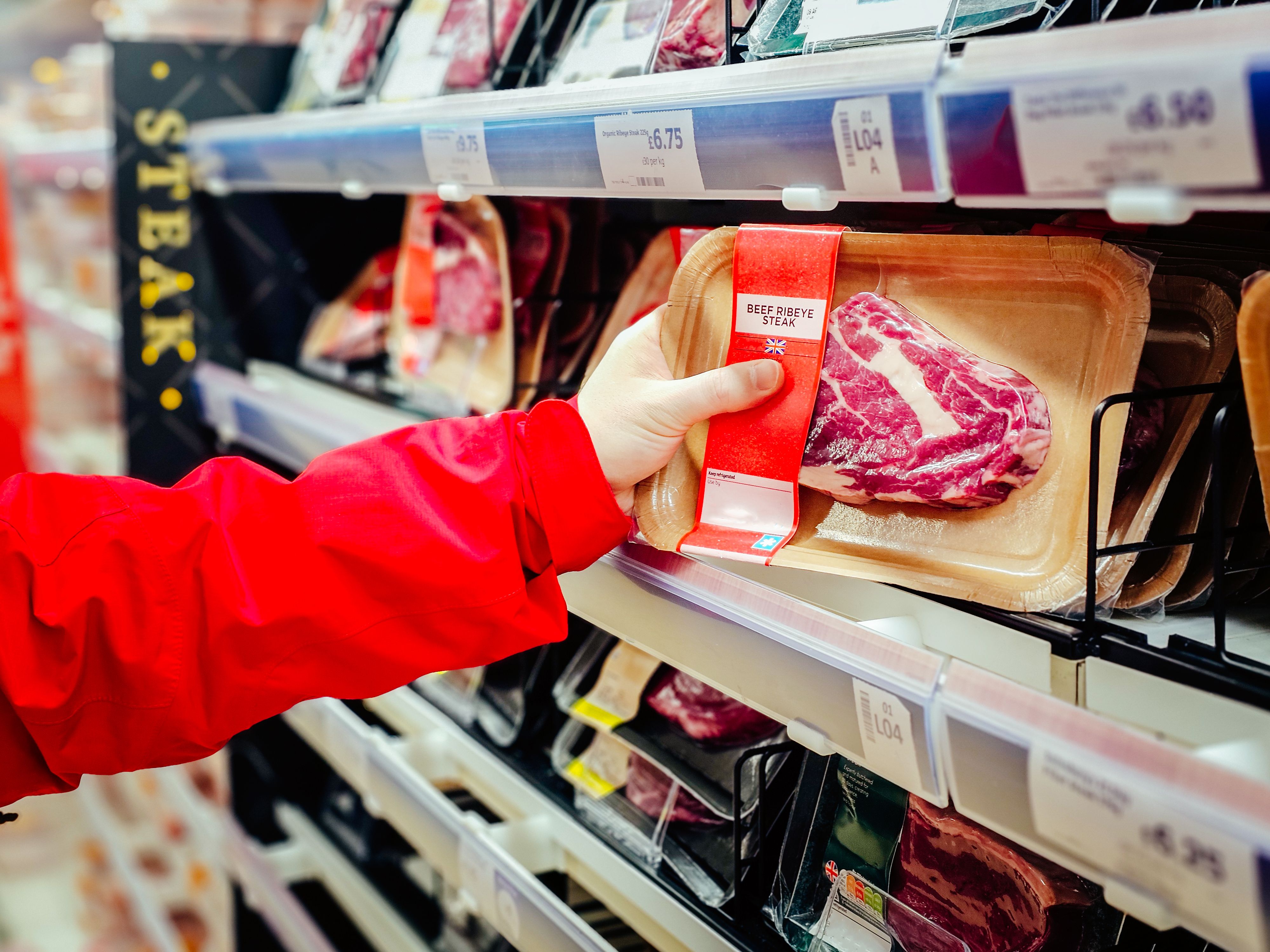
With less beef being produced inside the EU, more is coming in from outside. Import volumes for the first ten months of 2025 were up by 18.3%, with Brazil and the UK the largest suppliers, followed by Argentina and Uruguay.
That’s the market adjusting in real time, when internal supply tightens and prices rise, imported product becomes more competitive.
It also means that the conversation about standards, traceability and production systems is no longer theoretical. Those differences are now sitting side by side on the same market.
Less volume — more value
One of the more telling developments from an Irish perspective is what has happened to export value.
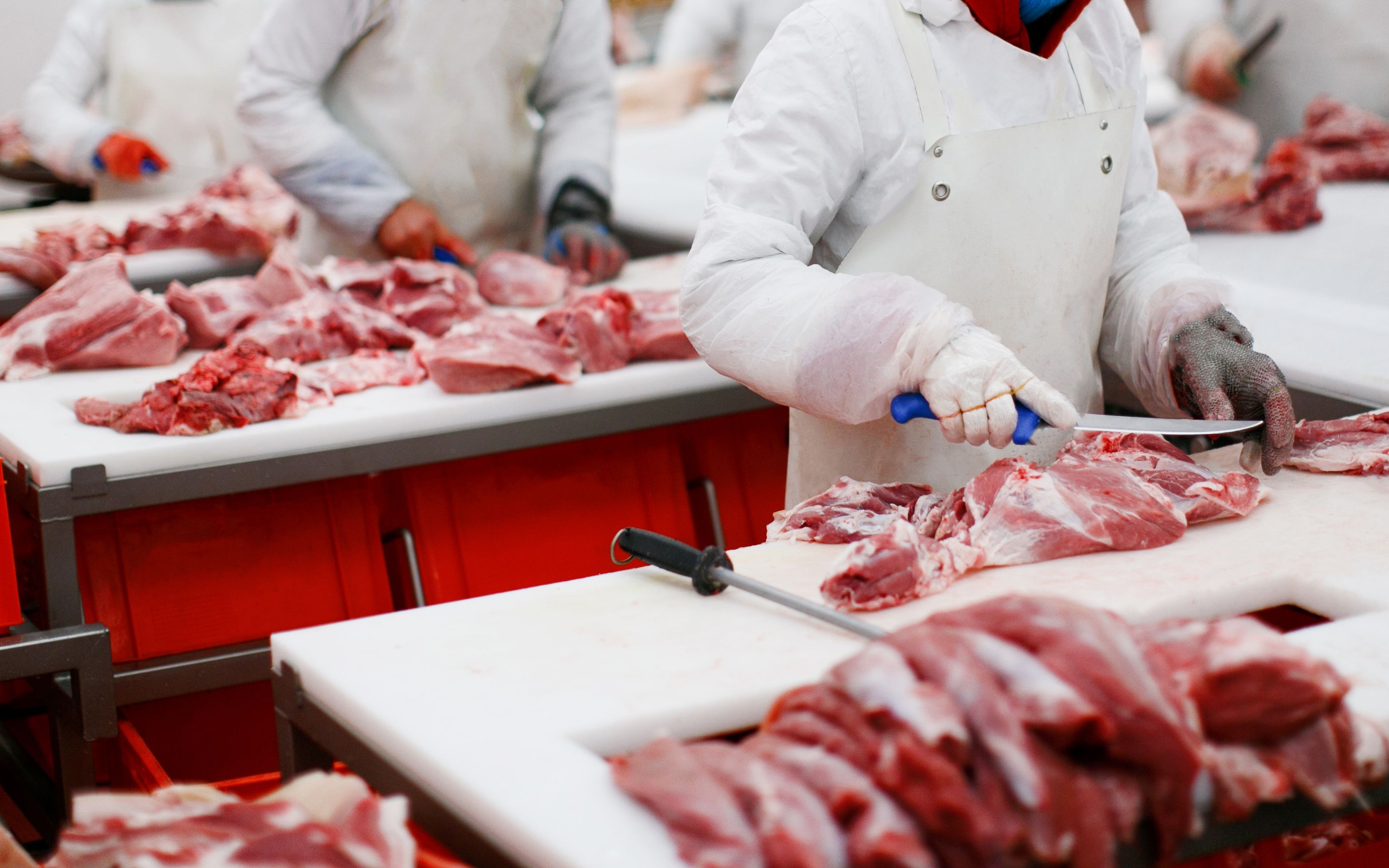
Even with volumes down by about 5% to roughly 474,000 tonnes, the value of primary beef exports increased by 24% to €3.4 billion.
In other words, fewer cattle, but each one worth more.
That’s a very different model from the one the sector operated under for decades. And it puts much more focus on consistency, specification and market alignment than on raw output.
A different kind of competition
While Europe is working through a contraction in supply, other exporting countries are expanding. That contrast matters.
This is not a situation where global demand has weakened, it hasn’t. It’s a situation where Europe has less product to sell and is, in some cases, pricing itself out of certain markets.
So the challenge is no longer about finding customers. It’s about deciding where our product fits best and making sure it matches those markets.
What this means when you step back from the numbers
Taken together, the figures point to a structural shift rather than a difficult year.
We are moving away from a system that was built on volume and into one where supply is tighter and value matters more. For Ireland, that brings both opportunity and pressure.
We are still one of the most consistent exporters in Europe. We have a production system that suits retail and foodservice requirements. We have full traceability and a quality assurance structure that is recognised in the market. Those things carry more weight when there is less beef available.
But the flip side is the question of critical mass. Throughput is falling. The pipeline of cattle is smaller. Generational change, environmental policy and land use are all influencing the size of the national herd.
So the real strategic question is not about chasing higher output, it’s about protecting the production base we still have and getting the maximum possible value from it.
Conclusion
For a long time the sector worried about oversupply. That is no longer the issue.
Demand is steady, prices are strong, export value is rising even as volumes fall. The balance in the supply chain has shifted.
The countries that can supply beef consistently, to the right specification and with the right credentials, will shape the European market over the next decade. Ireland is one of those countries but only if the link between production, policy and market strategy holds. Because in a Europe with fewer cattle, being able to supply the market at all becomes the biggest competitive advantage of all.
*By Anne Hayden MSc., Founder, The Informed Farmer Consultancy.