
Exploring Agroforestry: Integrating Trees into Irish Farming Practices


Introduction
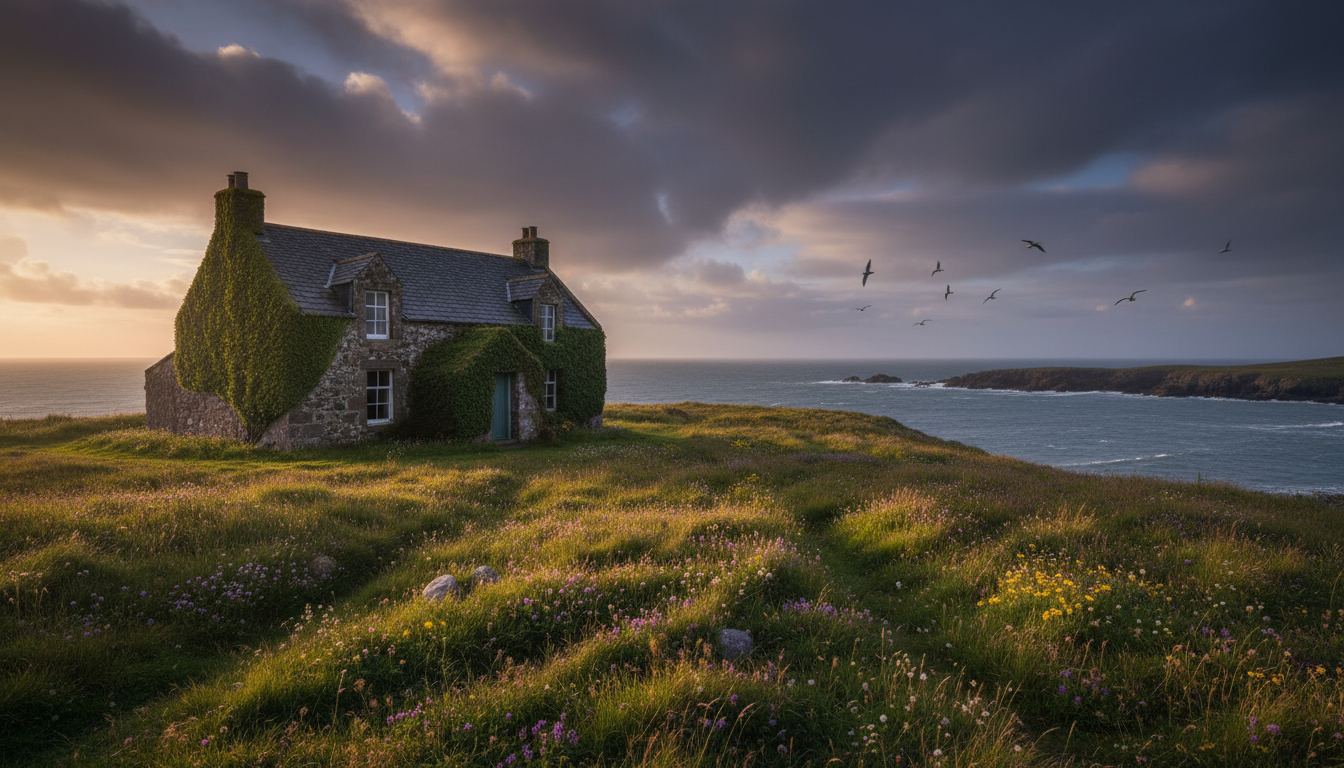
For generations, trees have been an integral part of the Irish farming landscape. From mature oaks standing proudly in grazing fields to hedgerows sheltering livestock from Atlantic winds, trees have long provided practical benefits alongside agricultural production. Yet, over time, farming and forestry have increasingly been viewed as separate land uses.
Today, that perception is beginning to change.
With around 67% of Ireland's land used for agriculture and forests covering just 11.6% of the country's land area, well below the European Union average of 39%, there is growing interest in finding ways to increase tree cover without reducing food production. One solution attracting increasing attention is agroforestry.
Rather than asking farmers to choose between farming and forestry, agroforestry seeks to combine the two, creating productive systems that benefit both the farm business and the wider environment.
What Is Agroforestry?
Agroforestry is the practice of integrating trees with agriculture, allowing trees, livestock and crops to exist on the same parcel of land.
Unlike conventional forestry, where land is dedicated solely to timber production, agroforestry enables farmers to continue producing food while introducing carefully planned tree planting.
Examples include:
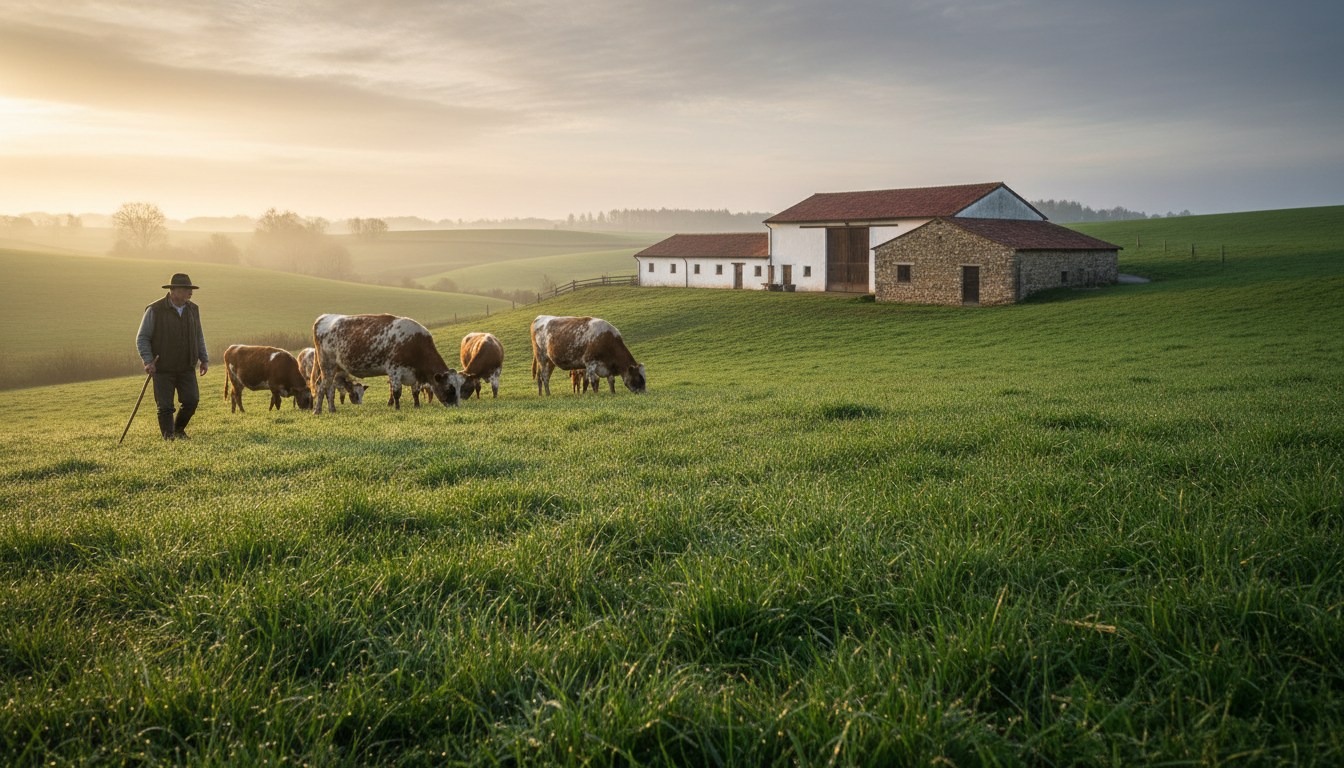
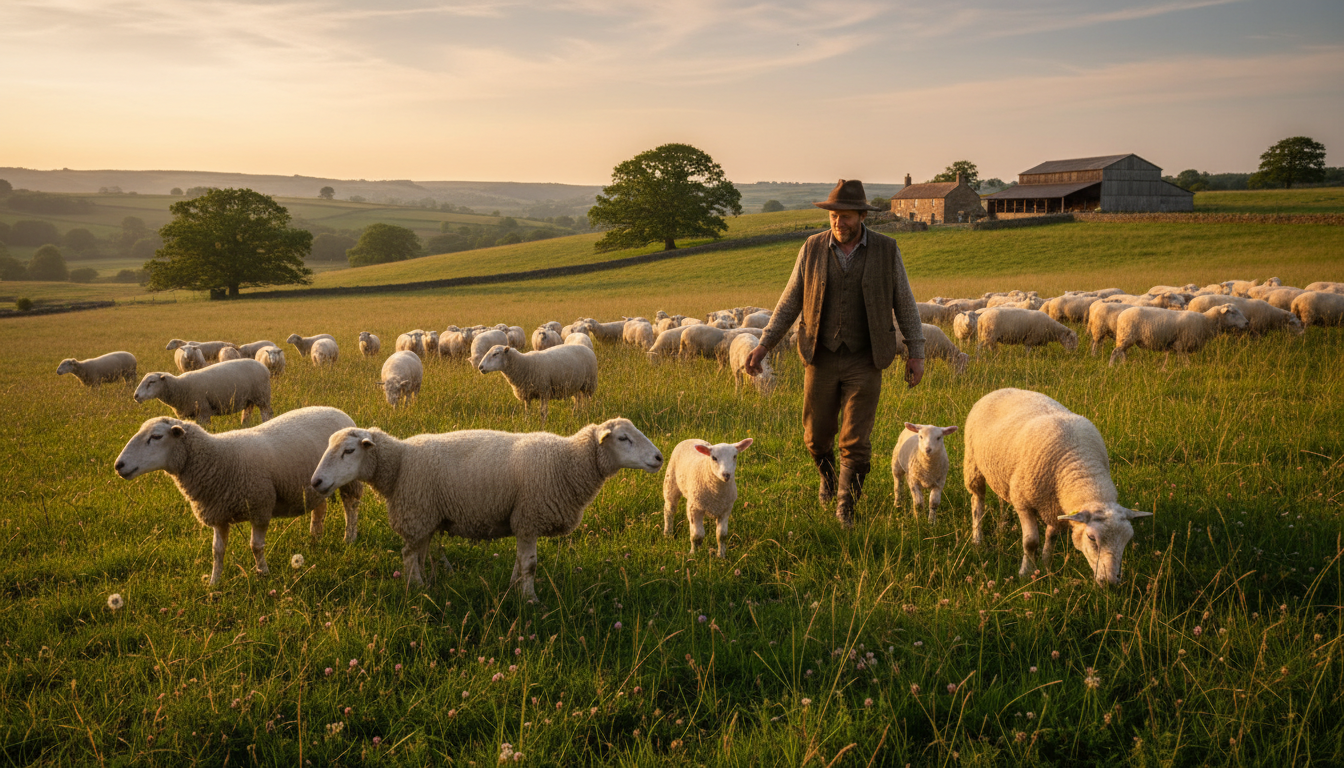
- Grazing cattle or sheep beneath widely spaced trees.
- Planting rows of native trees through pasture.
- Establishing shelter belts for livestock.
- Planting trees along rivers and streams to improve water quality.
- Integrating fruit or nut trees into grazing systems where appropriate.
The objective is not to replace farming, but to strengthen it through better land management.
Why Is Agroforestry Receiving More Attention?
Irish agriculture is facing significant challenges.
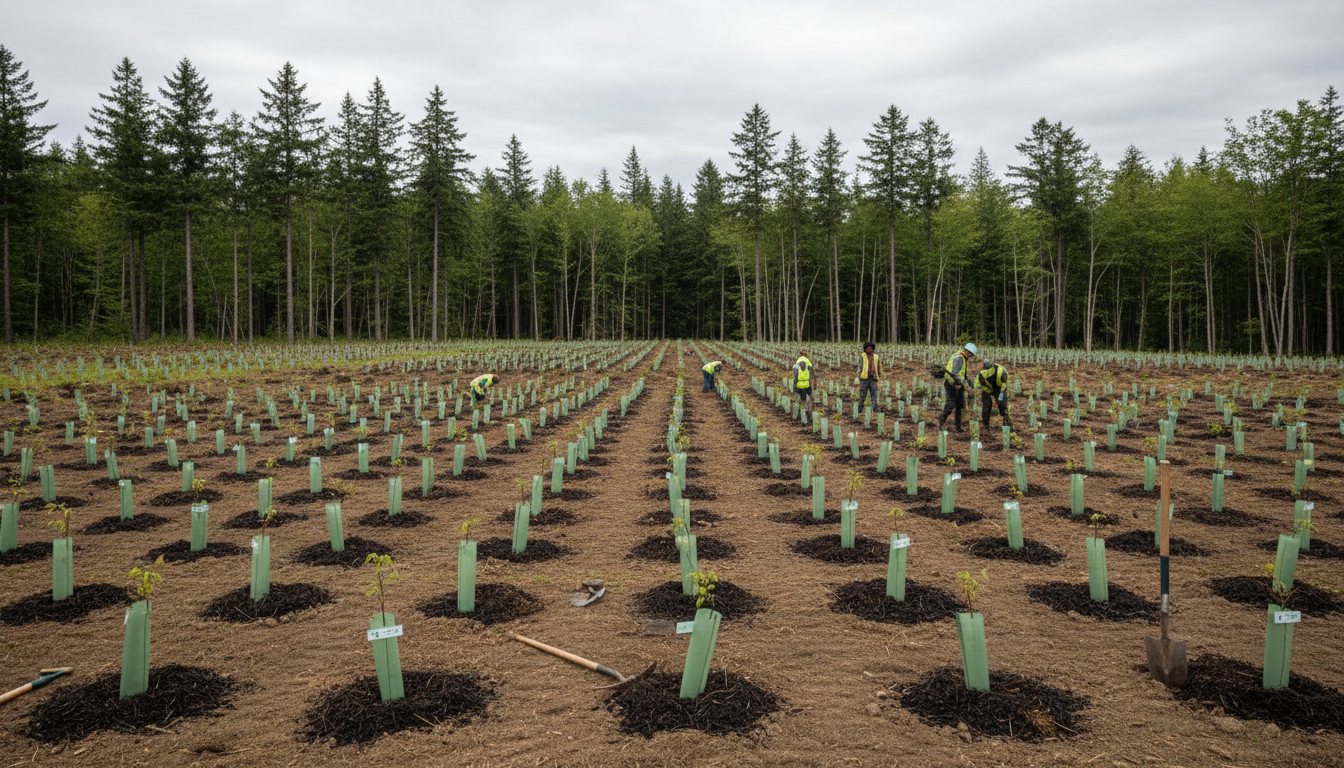
Farmers are responding to changing weather patterns, rising production costs, biodiversity loss and increasing expectations around environmental sustainability. At the same time, Ireland has committed to increasing tree cover as part of its climate and biodiversity ambitions.
Agroforestry offers a practical way of addressing several of these challenges simultaneously.
Because agricultural production continues alongside tree planting, it provides an opportunity to increase tree cover without removing productive farmland from use.
Across Europe, agroforestry is increasingly recognised as a land management system that can support food production while delivering environmental benefits.
Better Shelter for Livestock
Ireland's climate is becoming increasingly unpredictable.
Periods of intense rainfall, stronger storms and occasional summer heatwaves can all place additional stress on livestock.
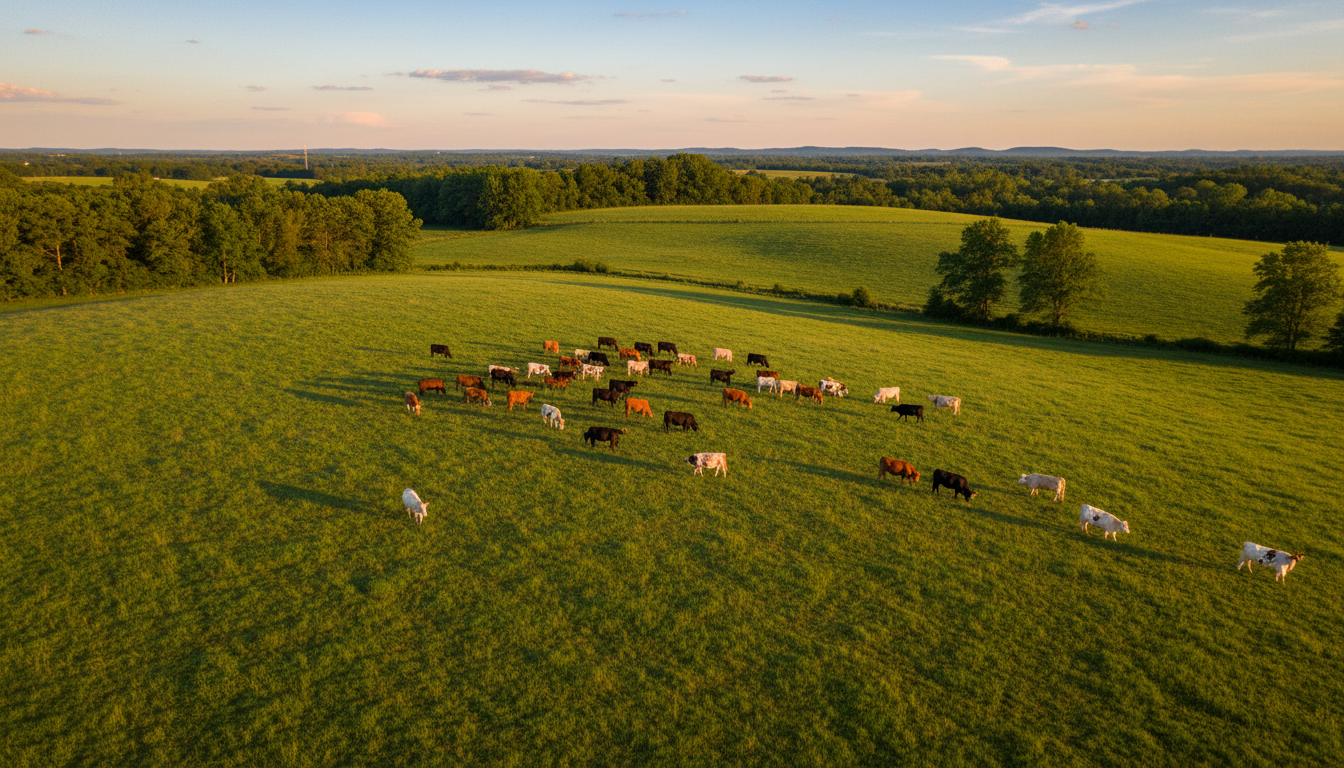
Strategically planted trees act as natural shelter belts, reducing wind speeds across fields and providing shade during warmer weather. This can improve animal welfare by helping livestock regulate body temperature throughout the year.
Shelter can also reduce exposure to driving rain and cold winds, creating more comfortable grazing conditions during winter months.
Improving Soil Health
Healthy soils are one of a farm's greatest assets.
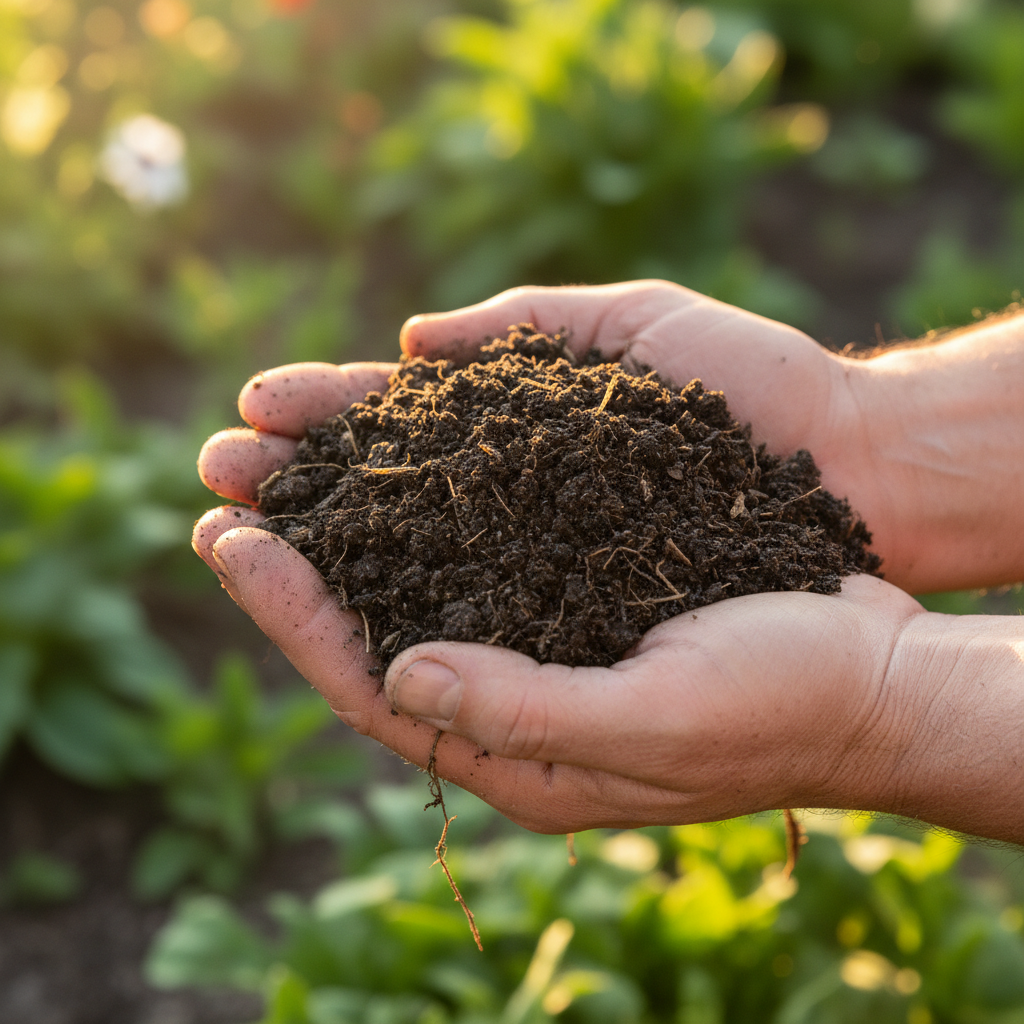
Tree roots help improve soil structure by creating channels that allow water and air to move deeper into the soil. Over time, falling leaves add organic matter, improving soil fertility and encouraging biological activity.
Healthier soils are generally better able to retain moisture during dry periods while allowing excess water to drain more effectively after heavy rainfall.
As weather patterns become increasingly variable, these improvements can help make farms more resilient.
Supporting Biodiversity
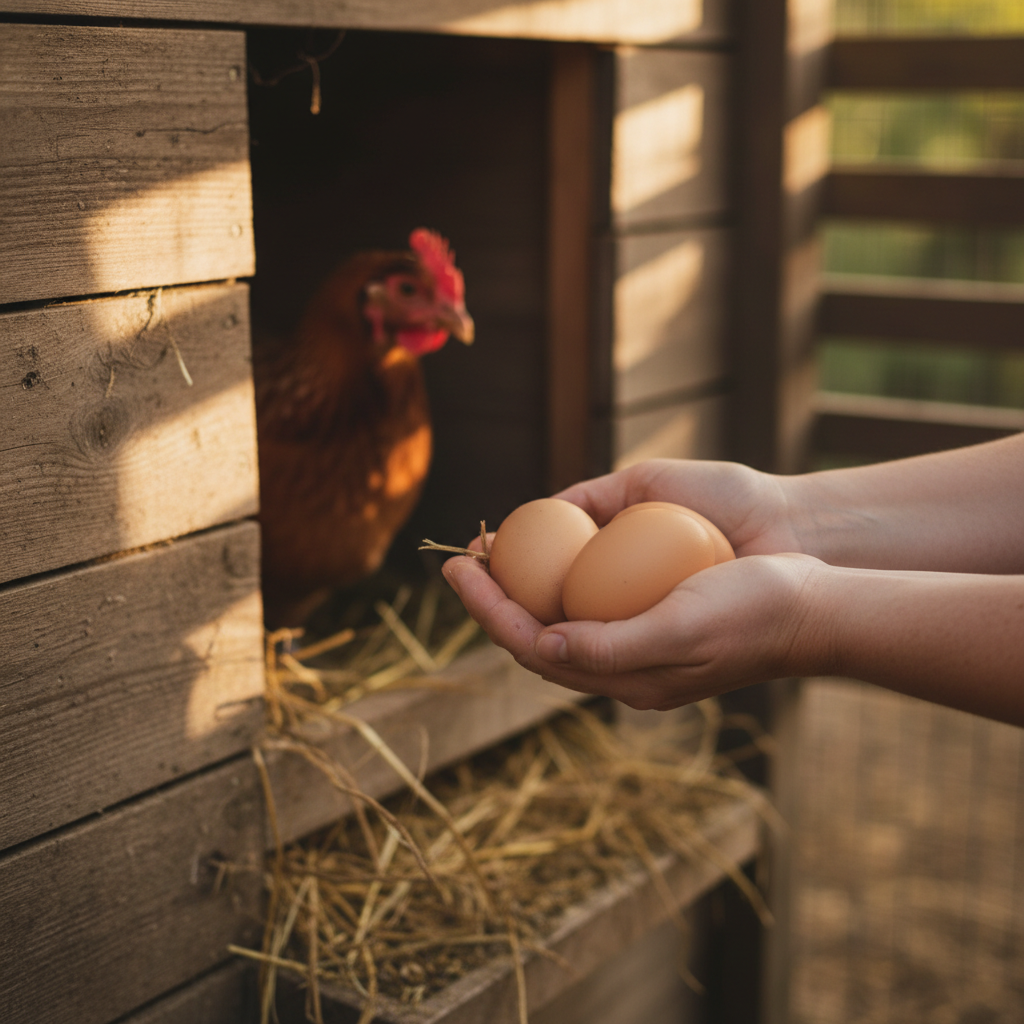
Trees provide valuable habitats for wildlife throughout the year.
Native broadleaf trees support a wide range of birds, insects, fungi and mammals, while flowering species provide important food sources for bees and other pollinating insects during spring.
Planting trees alongside existing hedgerows and grass margins also helps create wildlife corridors, allowing species to move more easily across the landscape.
This is particularly important at a time when Ireland's farmland birds continue to face significant pressures.
The Common Farmland Bird Index, which monitors 14 widespread breeding farmland bird species, has declined by approximately 8% since 1998, demonstrating the continuing importance of improving habitats across agricultural landscapes
Protecting Water Quality
Trees can also help improve water quality.
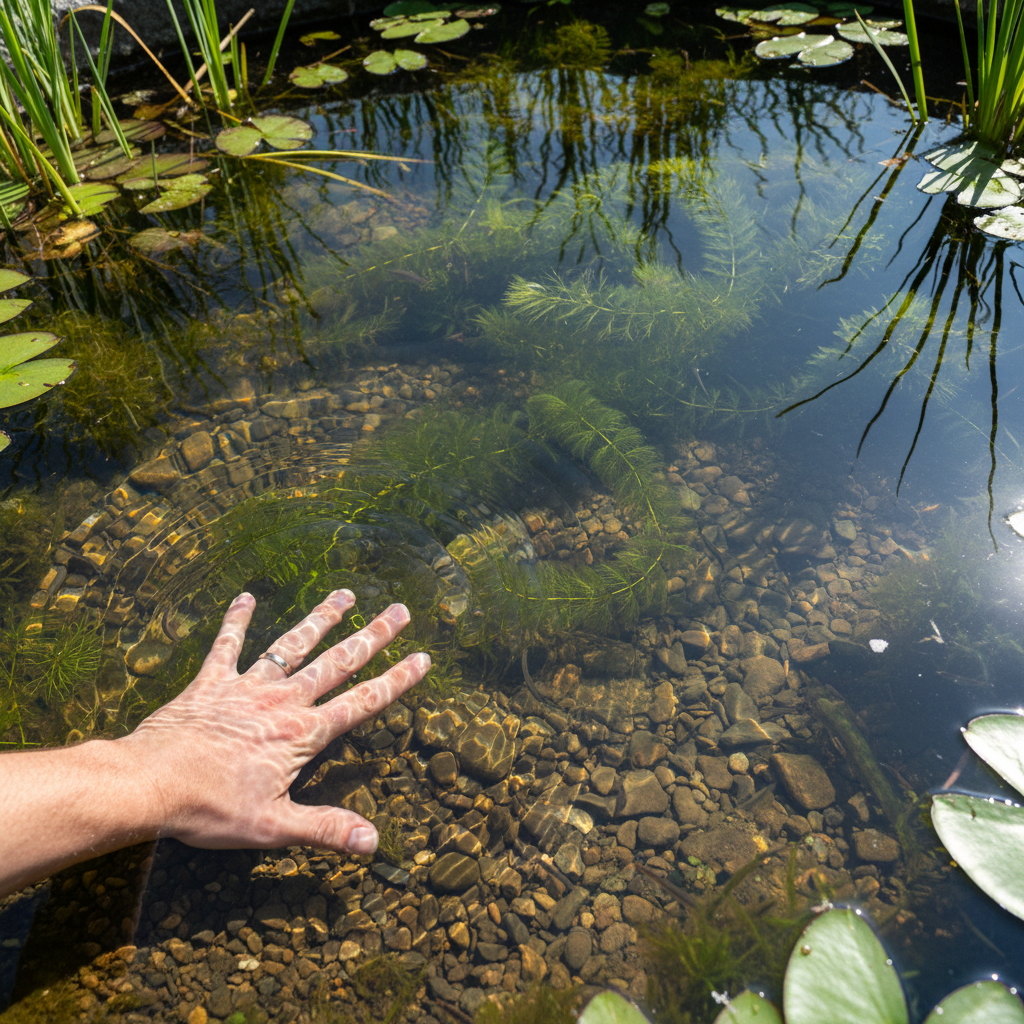
When planted along rivers, streams and drains, their roots help stabilise riverbanks while reducing soil erosion.
These riparian planting areas can slow surface runoff during heavy rainfall, helping to reduce the movement of sediment and nutrients into nearby waterways.
Combined with good nutrient management, these measures contribute to healthier rivers and improved aquatic habitats.
Capturing Carbon While Continuing to Farm
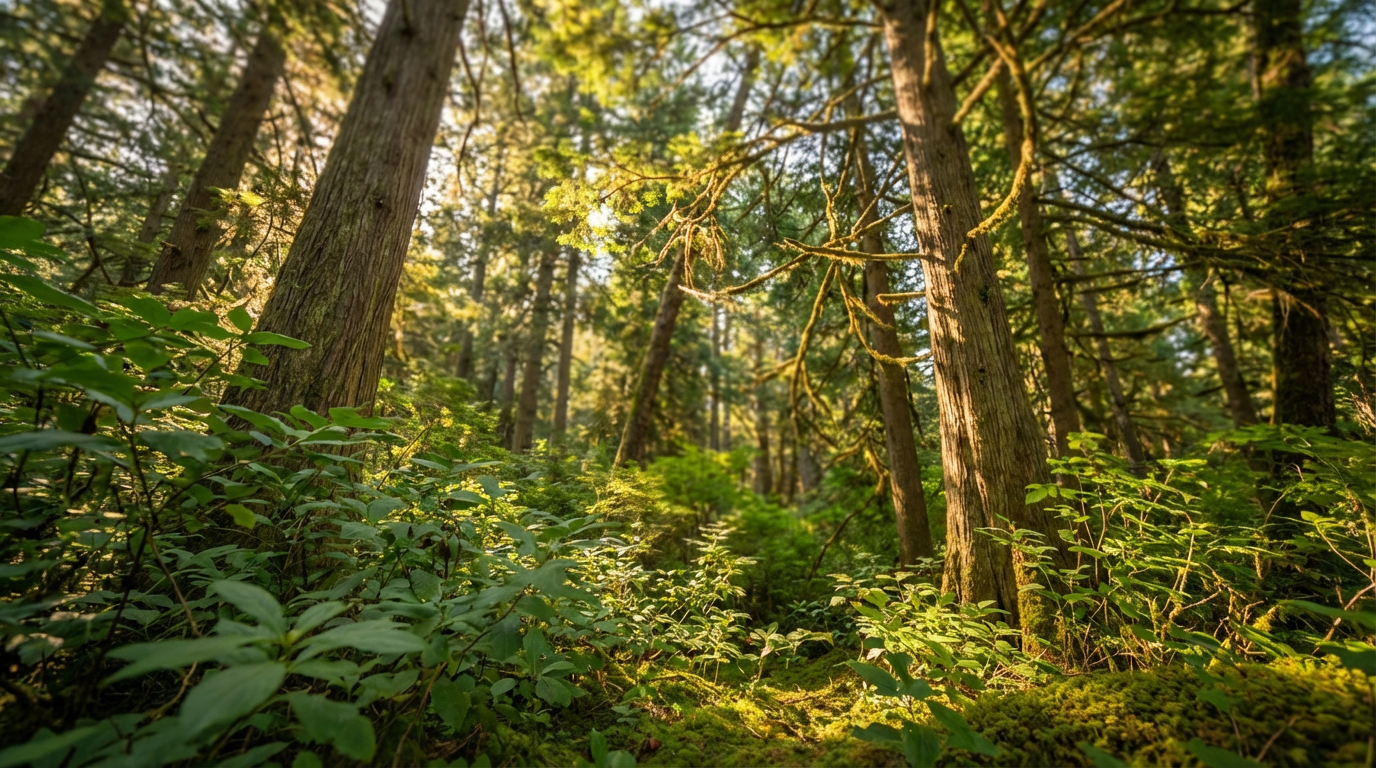
Trees absorb carbon dioxide from the atmosphere and store carbon in their trunks, branches, roots and surrounding soils throughout their lifetime.
Increasing tree cover on farms therefore contributes towards Ireland's climate ambitions while allowing agricultural production to continue.
Unlike commercial forestry, agroforestry enables farmers to combine environmental benefits with ongoing food production, making it an attractive option for many mixed farming systems.
Will Trees Reduce Farm Productivity?
One of the most common concerns surrounding agroforestry is whether trees reduce agricultural output.
The answer largely depends on planning.
Poorly positioned trees can create excessive shade or compete with grass for water and nutrients. However, well-designed agroforestry systems carefully consider tree spacing, species selection and field layout to minimise these impacts.
In many cases, the long-term benefits—including improved shelter, healthier soils and better water management—can outweigh the small reduction in available grazing area.
As with any investment, success depends on matching the system to the individual farm.
What Trees Are Best Suited to Irish Farms?
Species selection is one of the most important decisions.
Native broadleaf trees are generally encouraged because they are well adapted to Irish conditions and provide significant benefits for wildlife.
Common choices include:
- Oak.
- Birch.
- Alder.
- Rowan.
- Hazel.
- Willow.
The most suitable species will depend on soil type, drainage, livestock enterprise and the objectives of the individual farmer.
Seeking professional advice before planting is always recommended.
What Financial Support Is Available?
Recognising the benefits of integrating trees into agriculture, the Irish Government provides support for agroforestry under the Forestry Programme 2023–2027.
Under the Agroforestry Forest Type (FT8), eligible farmers may receive:
- An establishment grant of up to €8,555 per hectare.
- An annual premium of €975 per hectare for up to 10 years, subject to the scheme's terms and conditions.
As grant schemes can change over time, farmers should consult the Department of Agriculture, Food and the Marine, Teagasc or a registered forestry adviser for the latest information before applying.

Challenges Farmers Should Consider
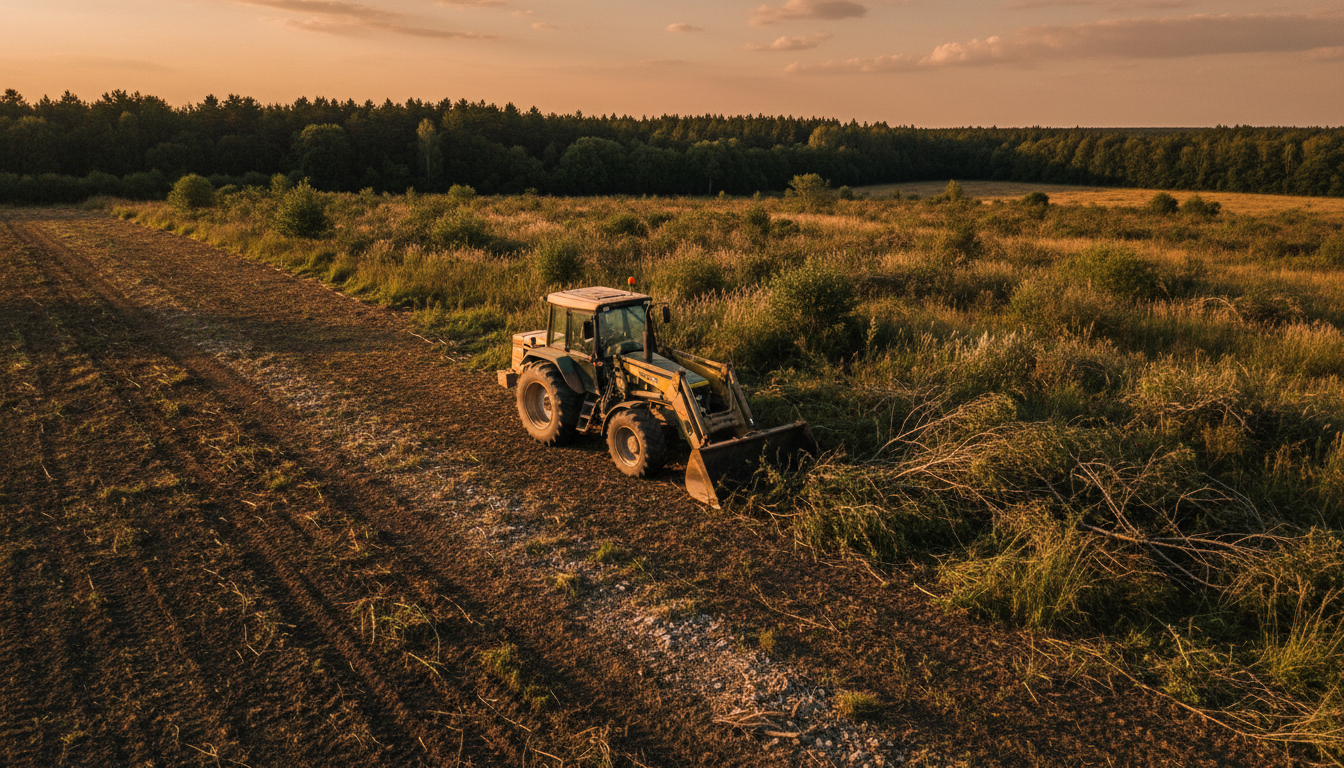
Although agroforestry offers many opportunities, it is not suitable for every farm.
Before planting, farmers should consider:
- Machinery access.
- Grazing management.
- Tree protection from livestock.
- Species selection.
- Long-term maintenance.
- Establishment costs.
- The time required before trees reach maturity.
Trees represent a long-term investment, so careful planning is essential to ensure they complement normal farming operations rather than restrict them.
Looking Ahead
Ireland's agricultural sector continues to evolve as farmers respond to climate change, new technologies and changing consumer expectations.
Agroforestry is unlikely to replace conventional farming, nor is it intended to.
Instead, it offers an opportunity to integrate trees into productive farming systems in ways that strengthen biodiversity, improve soil health, protect water quality and enhance farm resilience.
Given Ireland's relatively low forest cover compared with many European countries, agroforestry provides one practical route towards increasing tree cover while maintaining the country's strong agricultural tradition.
Conclusion
Trees have always had a place on Irish farms, whether lining field boundaries, sheltering livestock or enhancing the character of the countryside.
Agroforestry builds on that tradition by bringing trees and farming together in a way that benefits both.
As Ireland works towards a more sustainable future, integrating trees into productive farmland offers an opportunity to improve biodiversity, strengthen climate resilience and support healthier soils without sacrificing food production.
Rather than asking farmers to choose between agriculture and forestry, agroforestry demonstrates that the two can work side by side—helping to create resilient, productive farms that continue to support rural communities for generations to come.
*By Anne Hayden MSc., Founder, The Informed Farmer Consultancy.