
Impact of Iran Conflict and Oil Prices on Irish Agriculture


Introduction
At first glance, conflict in the Middle East can feel far removed from everyday life on an Irish farm. But when tensions rise in one of the world’s most important energy regions, the effects can travel quickly, often showing up first in the price of fuel.
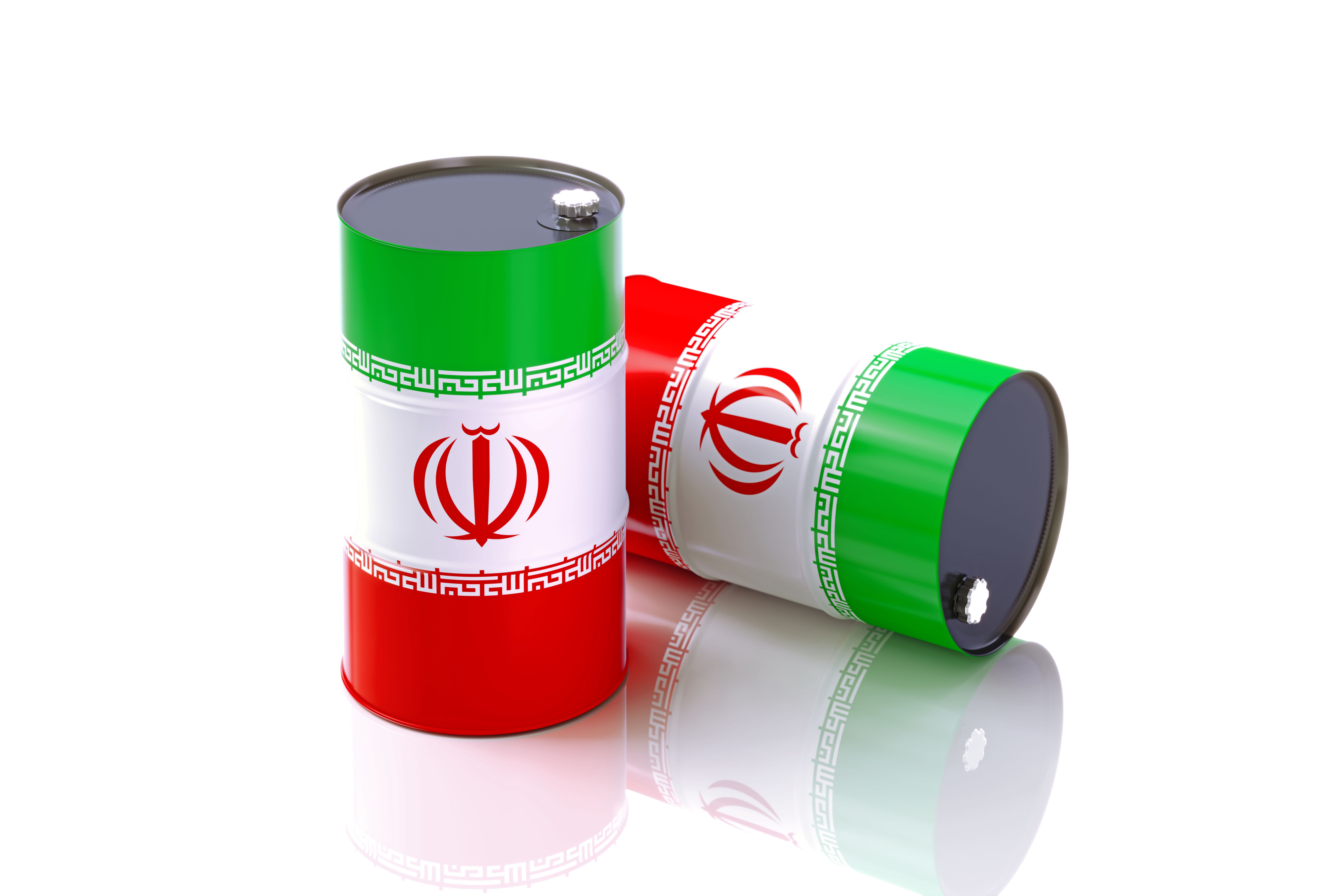
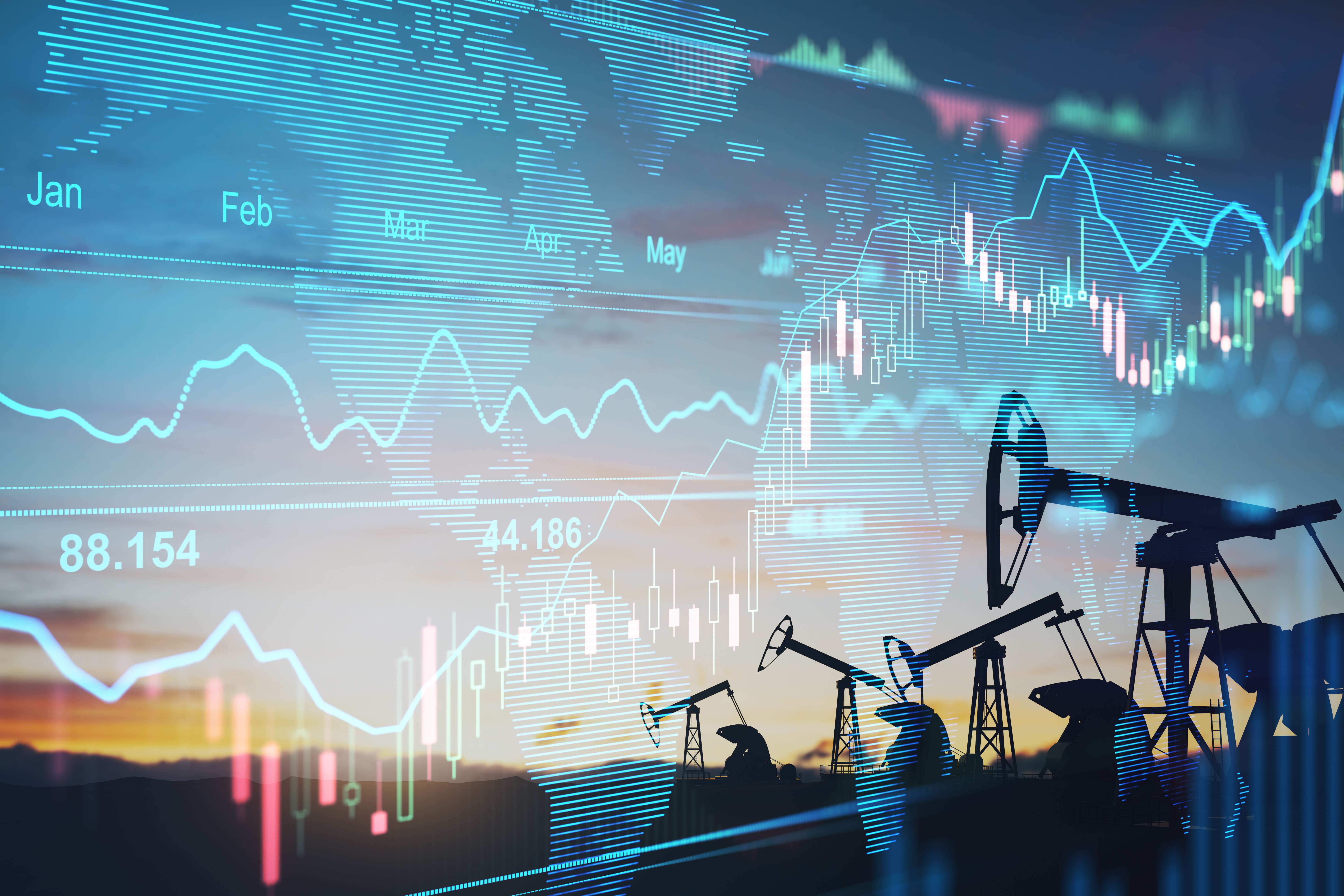
The recent escalation involving Iran has already caused movement in global oil markets. According to reporting from RTÉ, the wholesale price of oil rose from $72 per barrel to above $91 within a week of the conflict beginning. At the start of the year, oil had been trading at just over $60 per barrel, and it was around $70 last month before tensions escalated. Currently, projections estimate it could reach $150-200.
Those shifts might seem like numbers on a trading screen, but they tend to reach farm businesses much faster than people realise.
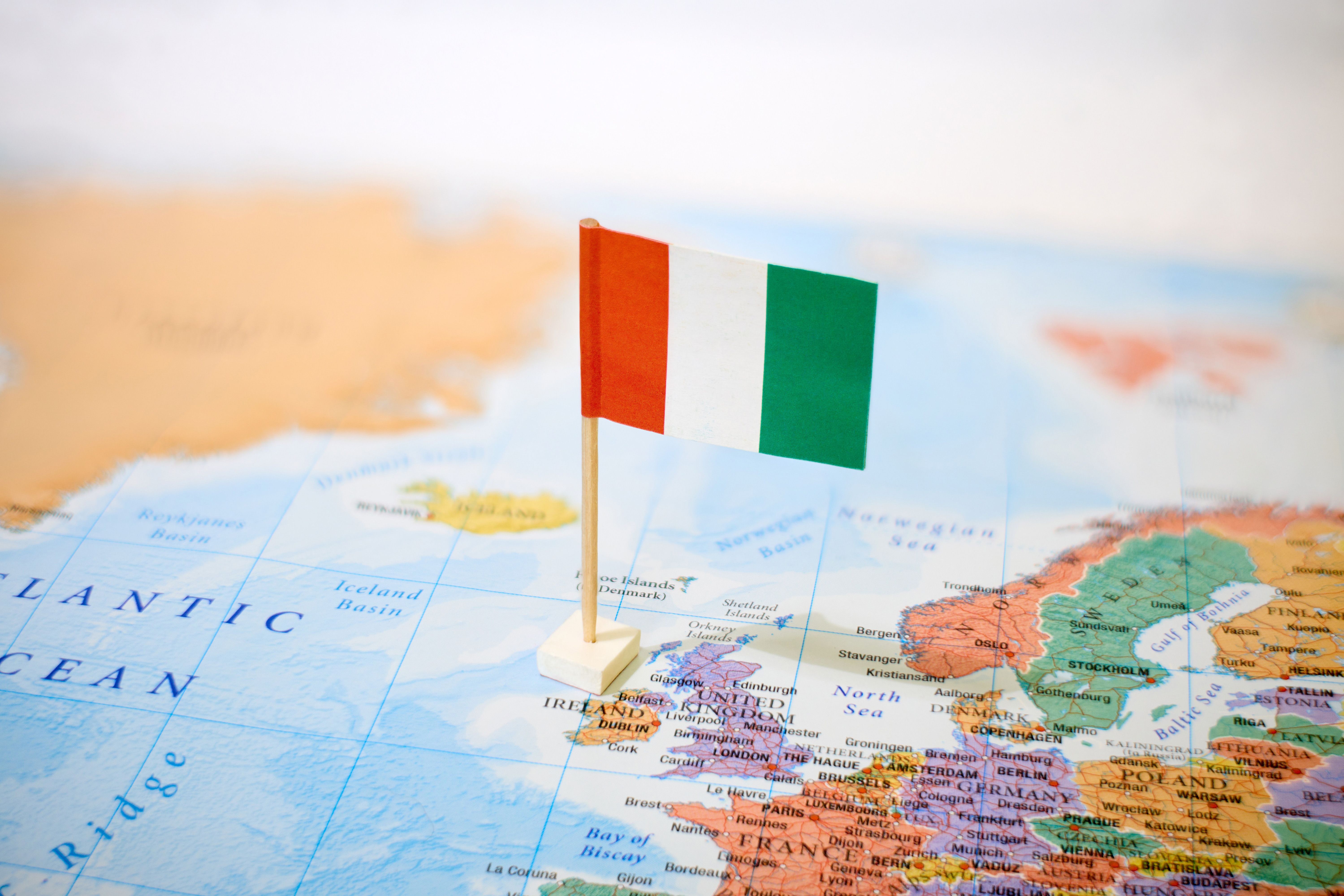
Fuel prices are already moving
One of the clearest signs of the impact has been at the pump.
RTÉ reports that the average price of diesel in Ireland last month was €1.72 per litre, while petrol averaged €1.73 per litre. Since the conflict began, some filling stations have been charging around €1.90 per litre for diesel and €1.80 for petrol.
For farmers, diesel isn’t just another cost, it’s what powers much of the daily work on the farm. From tractors and loaders to generators and transport vehicles, diesel is the fuel that keeps machinery running.
And the impact goes beyond the farmyard. The same fuel powers the trucks that move milk to processing plants, transport cattle to factories and deliver food to supermarkets. When diesel prices rise, the cost of moving food from farms to shops rises as well.
Why oil markets react so quickly
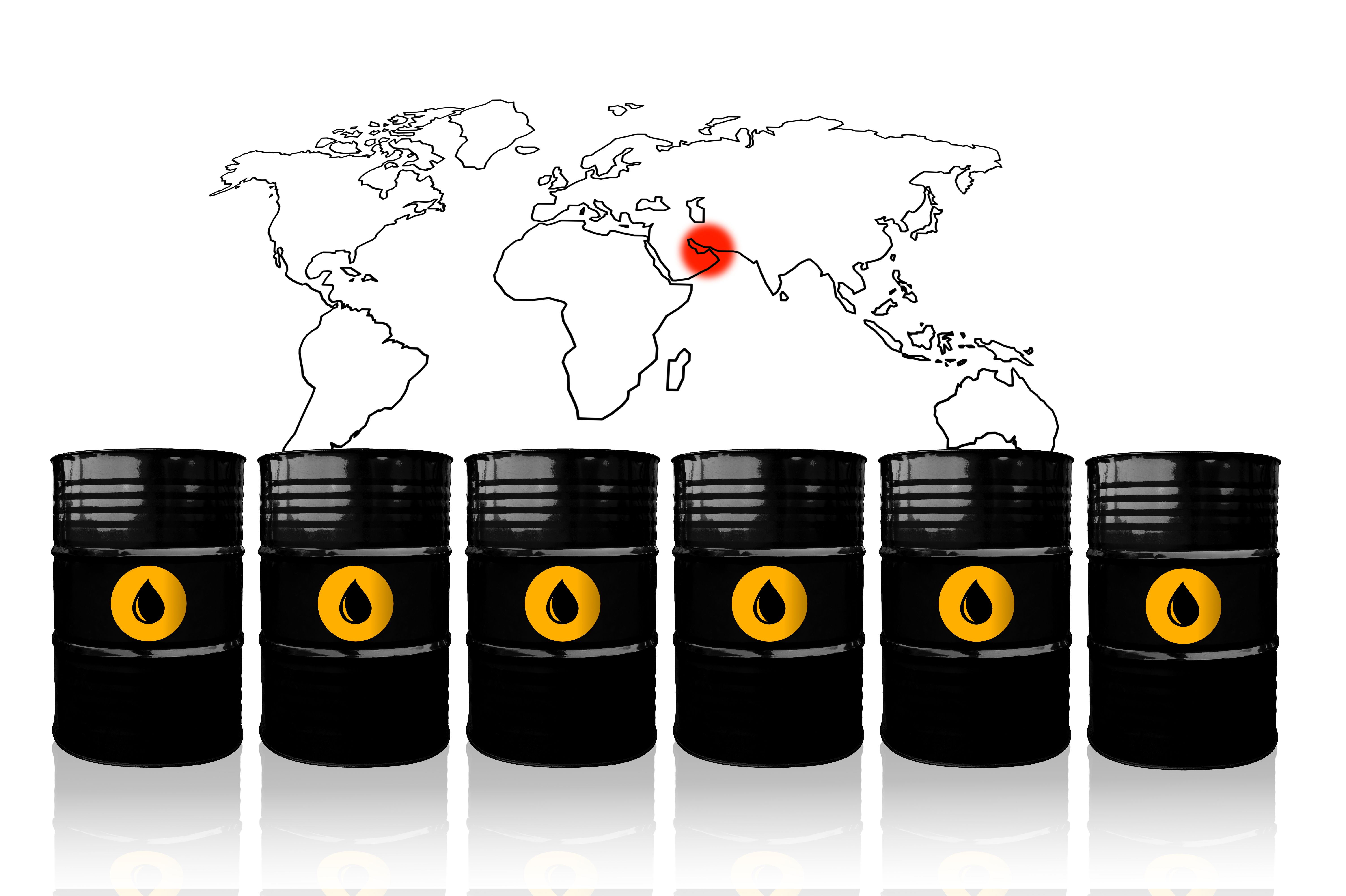
The reason this particular conflict has shaken energy markets lies in geography.
Iran sits beside the Strait of Hormuz, one of the most important shipping routes in the global energy system. The U.S. Energy Information Administration estimates that about 20 million barrels of oil pass through the strait each day, which is equivalent to around 20% of global petroleum consumption.
Even the possibility that shipping through this route could be disrupted is enough to send markets higher. Insurance costs for tankers rise, traders factor in supply risks and prices respond quickly.
Because oil is traded globally, those movements are felt far beyond the Middle East.
Ireland’s exposure to global energy markets
Ireland is particularly sensitive to these kinds of shocks because it relies heavily on imported energy.
According to the Sustainable Energy Authority of Ireland (SEAI), Ireland imported 79.7% of its energy needs in 2024, including all of its oil supplies.
That means the price paid for diesel and petrol in Ireland is largely determined by global markets. When international oil prices rise, Irish fuel prices usually follow.
For farming, that link is especially important. Agriculture relies on fuel not only for machinery but for the entire supply chain that connects farms to processors and retailers.
Fertiliser and energy markets are closely linked
Oil prices are only one part of the story, energy markets also play a major role in fertiliser production.
Nitrogen fertilisers are produced using ammonia, and natural gas is a key input in that process. The European Commission estimates that natural gas can account for roughly 70% to 85% of the cost of producing ammonia.
When energy prices rise, fertiliser production becomes more expensive. In some cases, factories may even reduce output if gas prices make production uneconomic.
For Irish farmers, fertiliser prices have been a major concern over recent years, so any further pressure on energy markets is being watched closely.
What the fertiliser market looks like right now
There is some reassurance in the short term. The Irish Farmers’ Association says there are sufficient fertiliser stocks already in merchants’ yards to cover first applications to grassland, tillage crops, grazing and first-cut silage.
Importantly, those supplies were purchased before the current conflict and recent energy price increases.
Current market prices reported by the IFA include:
- €395–€415 per tonne for CAN.
- €405–€425 per tonne for CAN with sulphur.
- €550–€580 per tonne for protected urea.
- Compound fertilisers are also trading within established ranges, meaning the first round of applications this spring should not be immediately affected by the geopolitical situation.
Why farmers are watching the situation closely
For now, much depends on how events develop in the coming weeks and months.
If oil supplies continue to move freely through key shipping routes, markets may settle again. But if the conflict begins to affect production or shipping in the region, energy prices could remain volatile.
Farmers will be watching several indicators closely:
- Diesel price movements.
- Fertiliser market trends.
- Transport costs across the food supply chain.
- Broader inflation in farm inputs
Because when fuel prices rise, the impact rarely stops at the fuel tank.
Conclusion
Irish farming has always been influenced by factors well beyond the farm gate, from weather patterns to international markets.
Events in the Middle East may seem distant, but energy markets connect those events directly to everyday life on farms across Ireland. When oil prices move from $72 to above $91 per barrel within a week, the effects can ripple quickly through fuel prices, transport costs and fertiliser markets.
And because Ireland imports 79.7% of its energy, those global movements are felt particularly strongly here.
For farmers, the coming months will reveal whether this latest energy shock is a short-term spike, or another reminder of how closely agriculture is tied to global events.
*By Anne Hayden MSc., Founder, The Informed Farmer Consultancy.