
Ireland’s Litter Levels: Progress and Areas for Improvement


Introduction
Litter isn’t always the first thing that comes up in farming conversations, but it has a way of creeping into daily life anyway. It turns up in gateways, along hedges, in drains, and on stretches of road that someone has to clean, usually the person living beside it.
That’s why the latest national litter survey is worth a closer look. Not because it’s a feel-good story (though parts of it are), but because the figures tell us what’s actually changing on the ground, and what isn’t.

Most Towns Are Cleaner Than They Used to Be — and That’s Not Nothing
The clearest headline from the survey is this: out of 40 towns and cities assessed, 28 were judged to be clean or cleaner than European norms. That’s 70% of locations.
That’s a big shift when you think back even ten or fifteen years, when being labelled “clean” in a national survey felt like the exception rather than the rule.
This year also marked the first time Sligo finished top of the rankings, and, just as notably, no location was classed as “seriously littered”. That last point matters. It suggests that while problems still exist, the worst of the old blackspot situations are becoming less common.

Blackspots Haven’t Disappeared — But They’re Losing Ground
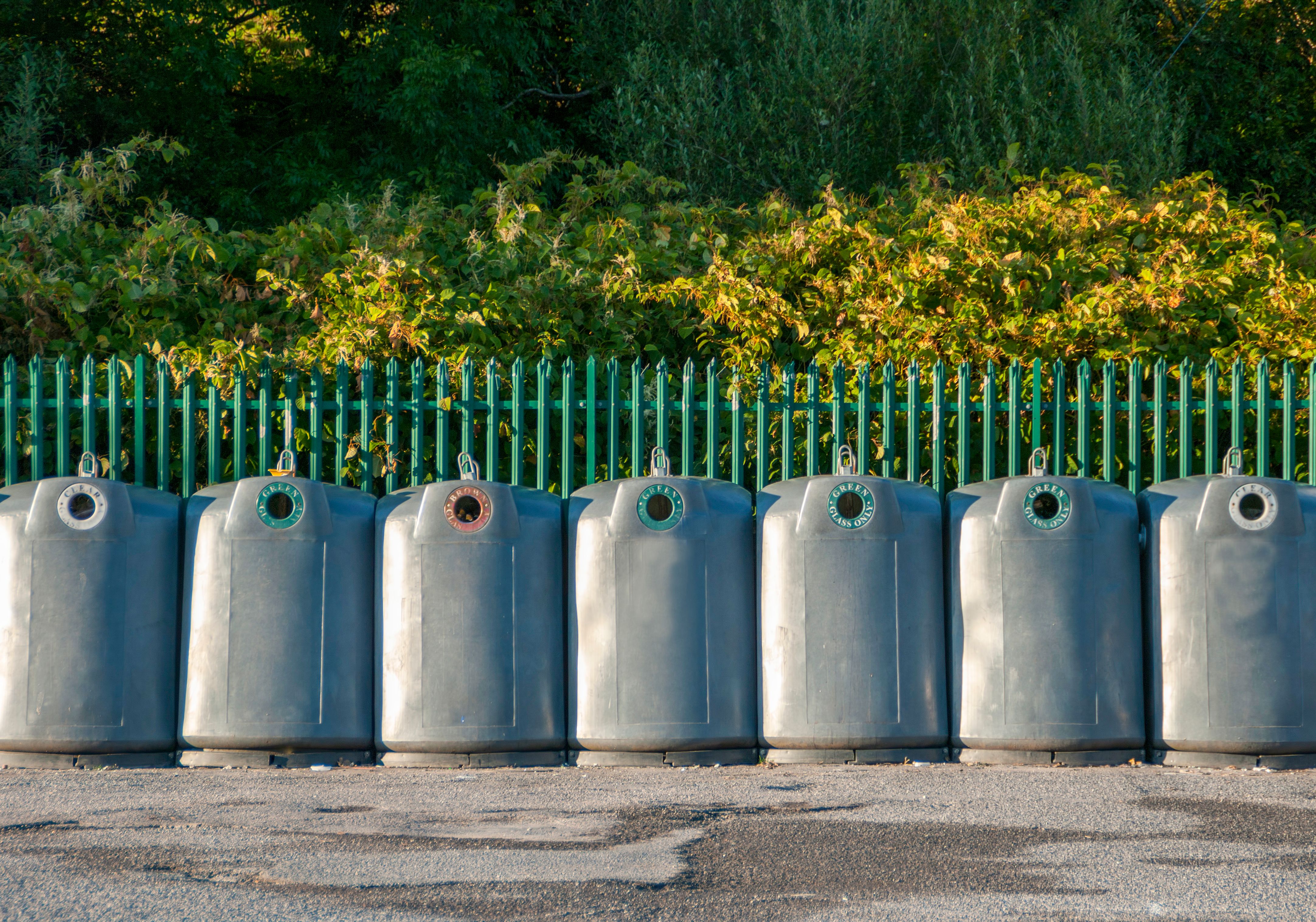
One detail that stood out was the finding that no bottle bank was classed as a litter blackspot this year. Bottle banks were once almost guaranteed trouble spots; overflow, dumping, bags left beside them for days.
That hasn’t vanished entirely, but the fact that none reached blackspot status this time around says something important: some long-standing problems really are being pushed back.
Surveyors also noted a reduction in large accumulations of litter and dumping compared with previous years. That doesn’t mean every area is spotless, but it does mean the scale of the mess is shrinking in many places.
Deposit Return Is Doing Exactly What It Was Supposed to Do
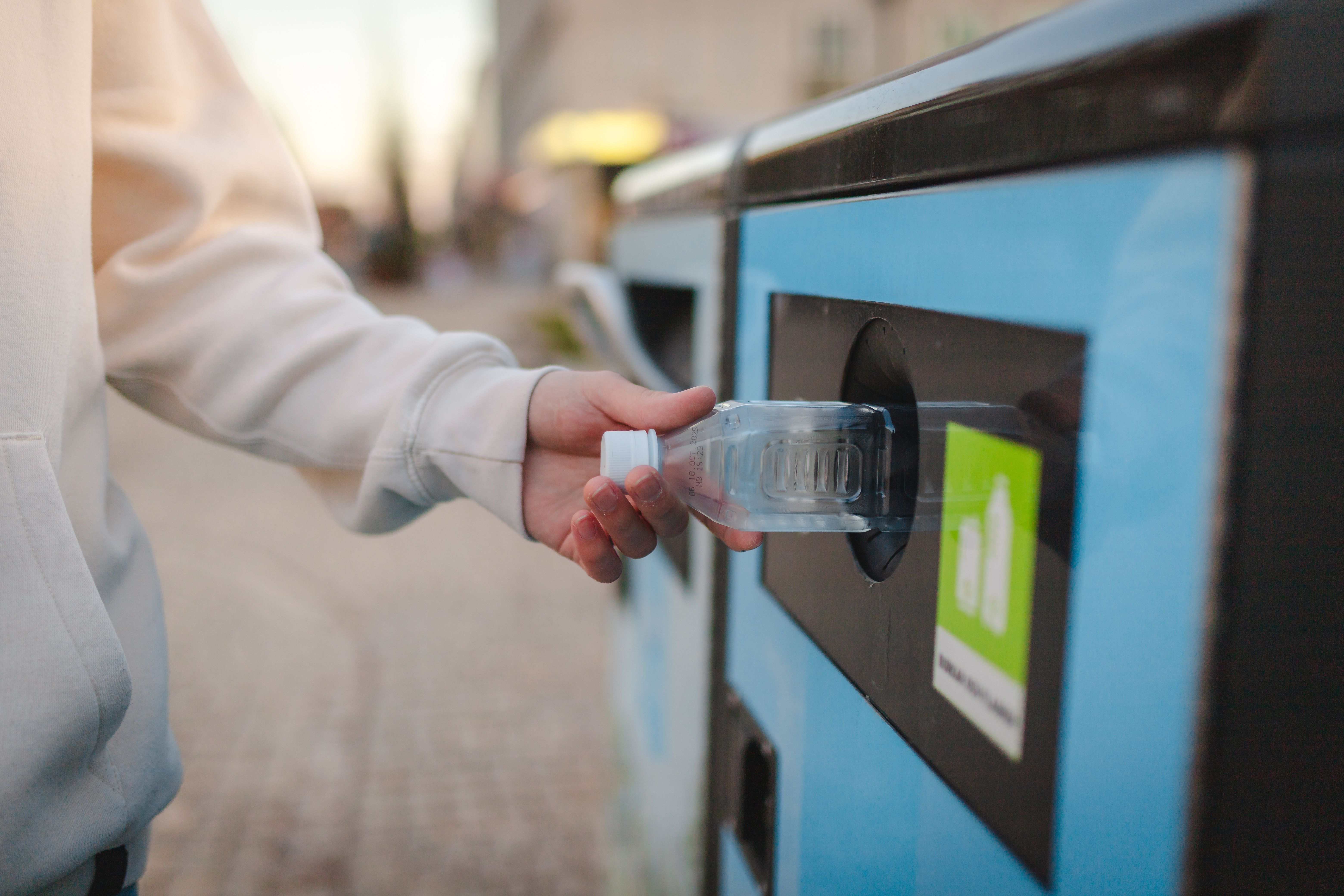
If there’s one area where the data is very clear, it’s the impact of the Deposit Return Scheme, which was introduced in February 2024.
Since then:
- Plastic bottles and cans are around 10% less prevalent in litter than last year.
- More strikingly, they are around 60% less prevalent than before the scheme began.
On the recycling side, the change has been dramatic. More than 1.6 billion bottles and cans have already been returned, and it’s estimated that around 798 million additional containers per year are now being recycled compared with the situation before the scheme.
Recycling rates for drink containers have jumped from about 49% to roughly 91%.
For anyone living in the countryside, that isn’t abstract. Fewer bottles and cans in towns means fewer of them ending up in ditches, hedges and fields when the wind gets up.
Some Litter Just Refuses to Budge
Not everything is improving at the same pace.
The survey found that disposable coffee cups were present at about one-fifth (20%) of all sites assessed, making them one of the most common litter items still being found.
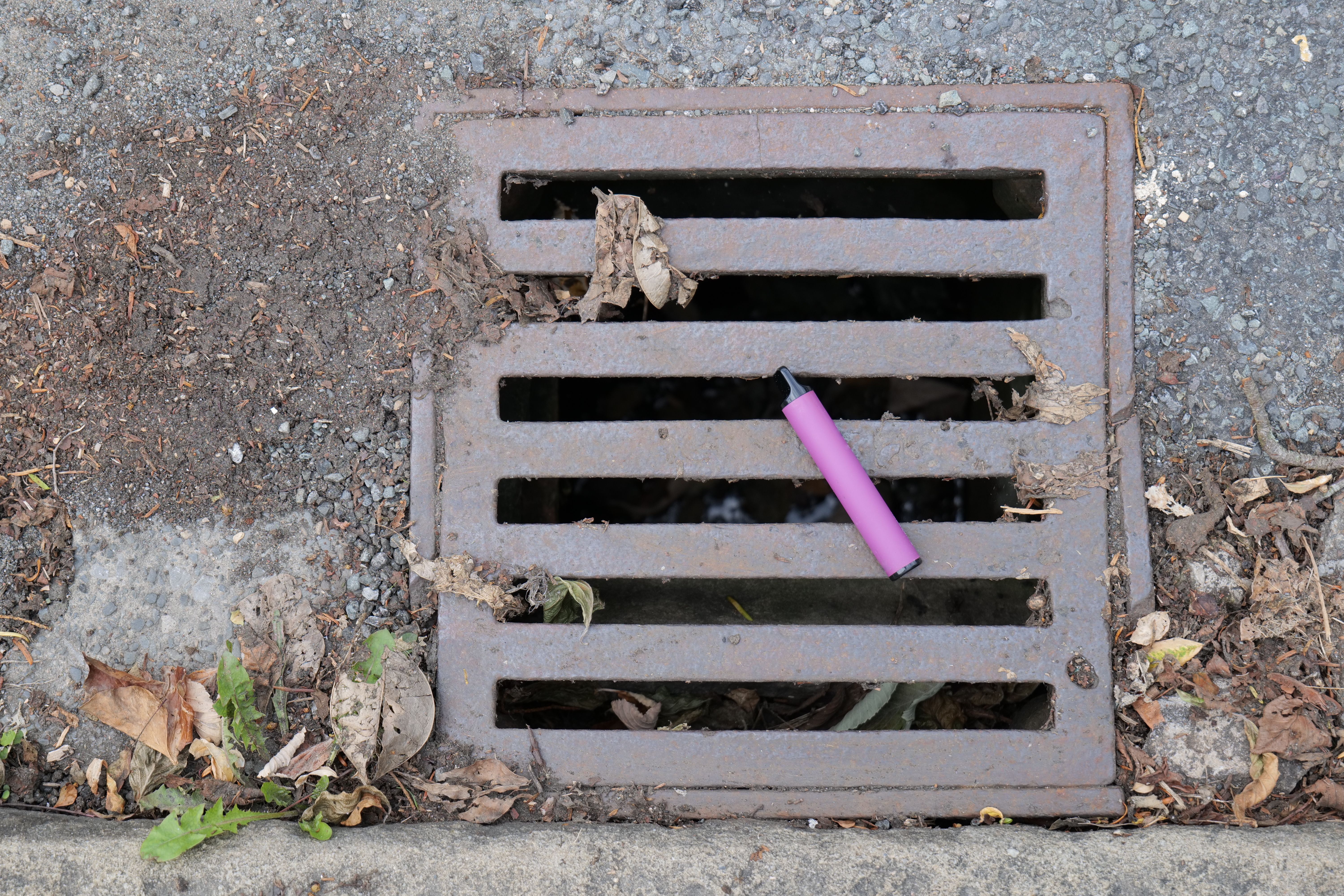
Disposable vapes are another stubborn problem. Despite plans to phase them out over the course of 2026, their presence in litter has not yet declined.
That contrast is telling. Where there’s a strong system in place, like deposit return, behaviour changes quickly. Where there isn’t, habits tend to linger.
Why This Isn’t Just an Urban Issue
It’s easy to look at litter surveys and think they’re mainly about town centres. In reality, litter doesn’t stay put.
Lightweight waste moves. It blows, it washes, it ends up in places it was never dropped. And once it’s there, someone has to deal with it.
Cleaner towns mean:
- Fewer sharp items along rural roads.
- Less plastic getting caught in hedges and fences.
- Lower risk of rubbish ending up in drains and waterways that run through farmland.
When waste systems work properly in one place, the benefits don’t stop at the boundary sign.

What the Numbers Actually Say
Stripped back, the figures tell a fairly honest story:
- 70% of surveyed towns and cities are now clean or cleaner than European norms.
- No area is classed as seriously littered.
- Bottle and can litter is down about 60% since the Deposit Return Scheme began.
- Coffee cups remain widespread, appearing at 20% of sites.
- Disposable vapes have not yet shown a reduction in litter levels.
That’s progress; real, measured progress, but it’s uneven. And it’s clear that where policy backs up behaviour change, results follow faster.

Conclusion
Ireland hasn’t solved its litter problem, but it has shown that change is possible when effort is consistent and targeted.
For rural communities and farmers, the gains are practical as much as visual. Cleaner towns mean cleaner roadsides. Fewer bottles and cans mean fewer hazards. And less drifting waste means less time spent dealing with someone else’s mess.
The challenge now is to keep the momentum going, especially for the litter types that haven’t yet been tackled with the same focus.
The data shows we know what works. The next step is applying that lesson more widely.
*By Anne Hayden MSc., Founder, The Informed Farmer Consultancy.