
Ireland's Pollinators: Why Protecting Nature Also Protects Irish Farming


Introduction
Pollinators are among the smallest workers on an Irish farm, yet they play one of the biggest roles in sustaining our food system.
From bees and hoverflies to butterflies, moths and other insects, pollinators are responsible for fertilising many of the crops and wild plants that support agriculture and biodiversity. Without them, food production, healthy ecosystems and many of Ireland's rural landscapes would look very different.
The launch of the latest All-Ireland Pollinator Plan is another reminder that protecting pollinators is not simply an environmental issue, it is also an agricultural one. As Irish farming continues to balance food production with environmental sustainability, pollinators have become an increasingly important part of the conversation.
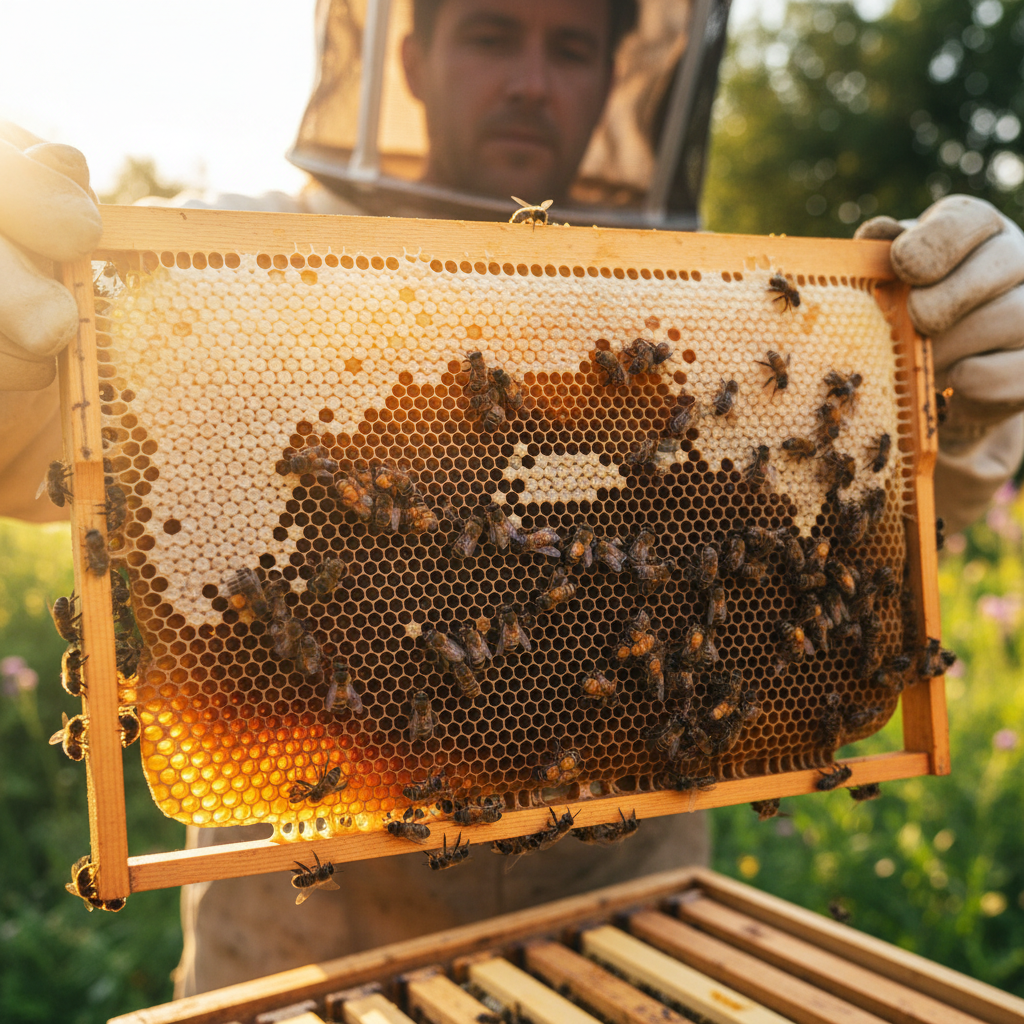
Why Are Pollinators So Important?
Pollination is one of nature's most valuable ecosystem services.
Around 75% of the world's leading food crops benefit, at least in part, from animal pollination, while approximately 90% of wild flowering plant species rely on pollinators to reproduce.
Although wind pollinates crops such as cereals and grasses, many fruits, vegetables, oilseed crops and clover depend on insects for successful pollination.
For Irish agriculture, pollinators help support:
- Fruit production.
- Vegetable crops.
- Oilseed rape.
- Clover establishment in grassland.
- Hedgerow plants that provide food and shelter for wildlife.
Healthy pollinator populations also contribute to wider biodiversity, supporting birds, mammals and other beneficial insects that form part of a resilient farming landscape.
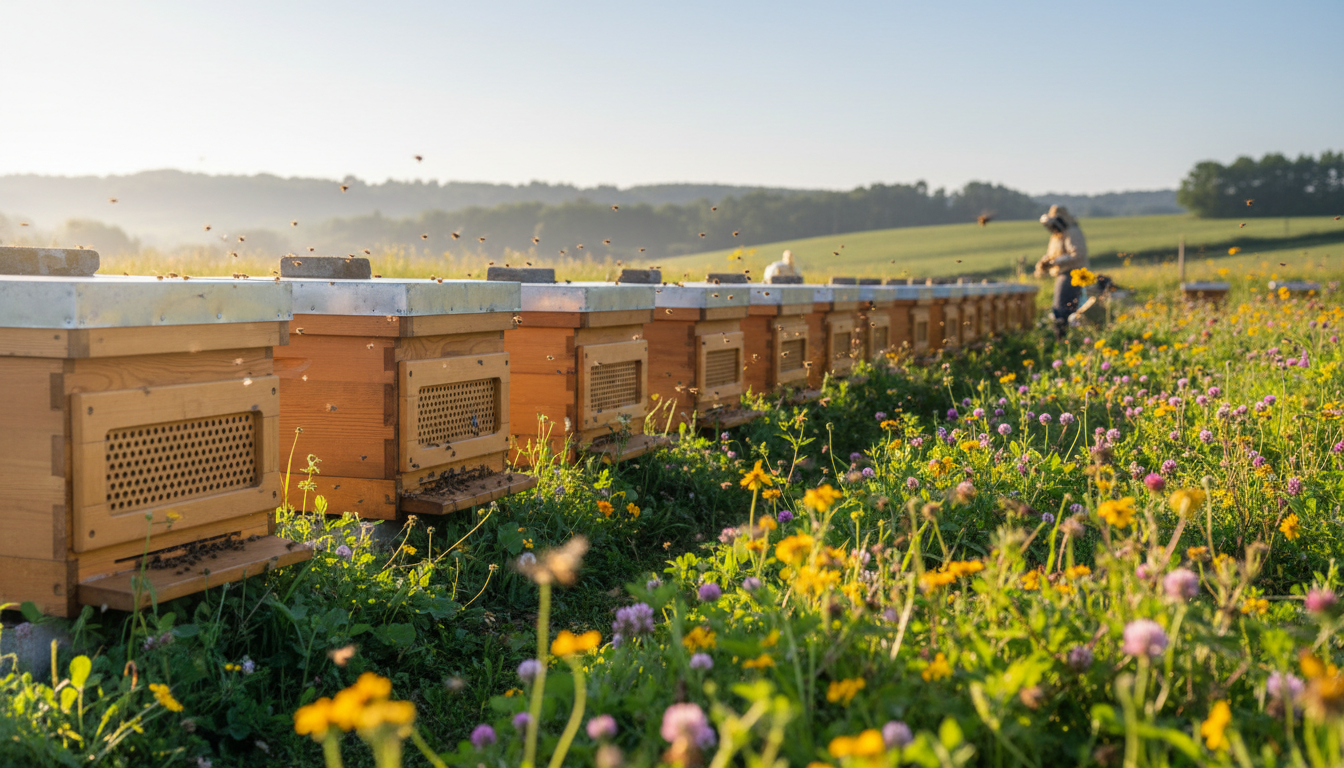
Ireland's Pollinators Are Under Pressure
Ireland is home to 99 species of bee, including 21 species of bumblebee and 78 solitary bee species.
Unfortunately, many of these species are declining.
Current national assessments show that:
- One-third of Ireland's wild bee species are threatened with extinction.
- More than half have experienced population declines.
- Several species have already disappeared from parts of the country.
The reasons are complex, but habitat loss, reduced floral diversity, pesticide use, climate change and the fragmentation of natural habitats have all contributed.
For agriculture, these declines matter because fewer pollinators can ultimately reduce pollination services across the wider landscape.
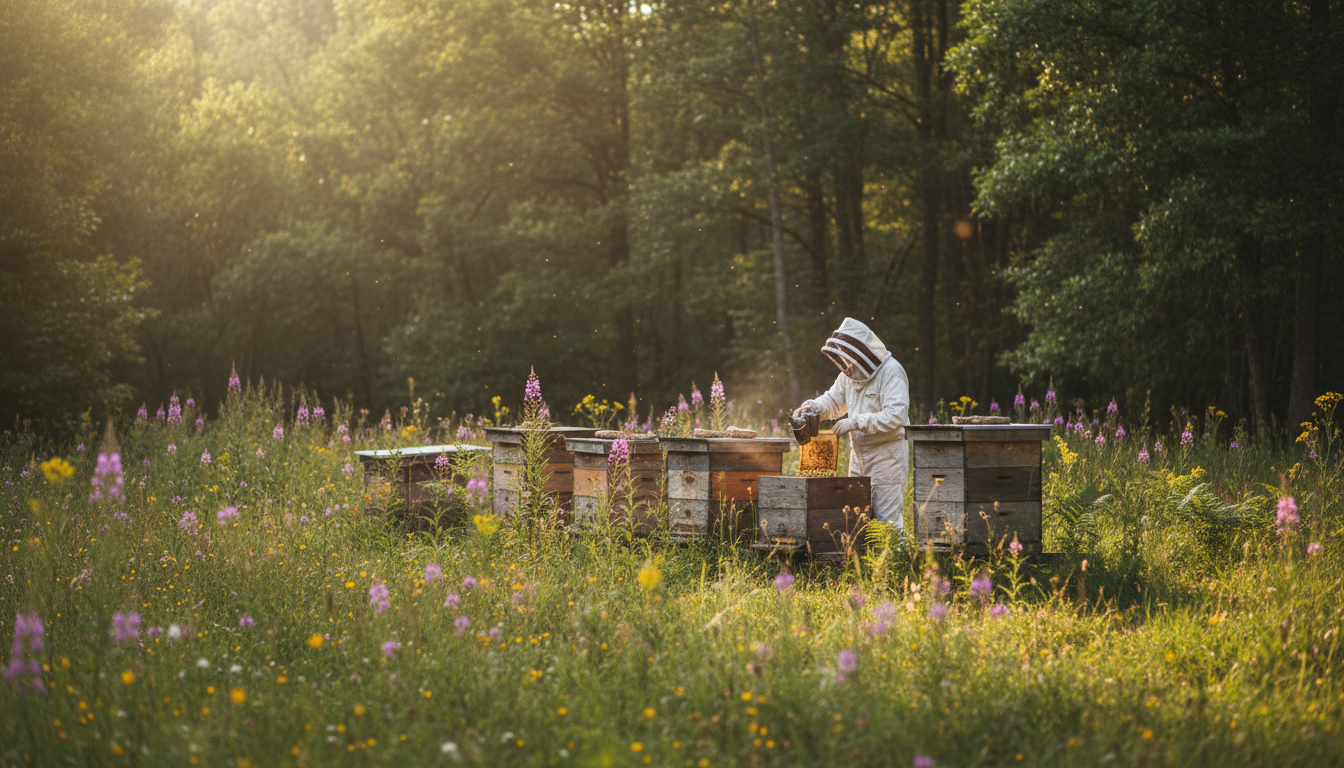
What Is the All-Ireland Pollinator Plan?
The All-Ireland Pollinator Plan is a cross-border initiative involving farmers, local authorities, businesses, schools, communities and environmental organisations working together to reverse pollinator decline.
Rather than removing land from production, the plan encourages practical actions that can improve habitats while allowing farms to remain productive.
These include:
- Protecting existing hedgerows.
- Allowing native wildflowers to flourish.
- Managing field margins.
- Planting pollinator-friendly species.
- Reducing unnecessary pesticide use where appropriate.
- Creating nesting habitats for wild bees.
Many of these actions complement measures already being encouraged through Ireland's agri-environment schemes.
Why Should Farmers Care?
For many farmers, pollinator conservation may seem like another environmental initiative competing for attention alongside water quality, emissions and biodiversity targets.
In reality, healthy pollinator populations can provide direct benefits to farming. Research has shown that insect pollination can improve both the yield and quality of many crops.
On mixed farms, flowering clover not only provides valuable forage for bees but also fixes atmospheric nitrogen, helping to reduce reliance on chemical fertilisers. Hedgerows, field margins and flowering habitats also support beneficial insects that prey on crop pests, contributing to more balanced ecosystems.
In many cases, relatively small changes in habitat management can deliver benefits for both biodiversity and agricultural productivity.
Irish Farmers Are Already Playing a Role
Across Ireland, many farmers are already making significant contributions to pollinator conservation.
Examples include:
- Retaining traditional hedgerows.
- Delaying hedge cutting until permitted periods.
- Leaving unsprayed field margins.
- Establishing multi-species swards.
- Planting native flowering species.
- Participating in ACRES and other agri-environment schemes.
These measures not only benefit pollinators but can also improve soil health, water quality and wildlife across the farm.
They demonstrate that productive farming and biodiversity enhancement do not have to be mutually exclusive.
Challenges Remain
Despite growing awareness, farmers face practical challenges.
Setting aside land for biodiversity can be difficult where every hectare contributes to farm income.
There are also concerns around:
- The cost of implementing environmental measures.
- Balancing biodiversity with food production.
- Weed control.
- Managing invasive species.
- Ensuring environmental actions are properly supported through farm schemes.
Many farmers believe that if society expects agriculture to deliver additional environmental benefits, those actions should be recognised and fairly rewarded.
That balance between environmental ambition and farm viability remains central to the debate.
Pollinators and the Future of Irish Agriculture
The importance of pollinators extends beyond individual farms.
Healthy pollinator populations contribute to:
- More resilient ecosystems.
- Greater biodiversity.
- Improved crop pollination.
- Stronger rural landscapes.
- Long-term food security.
As climate change brings more variable weather and places increasing pressure on ecosystems, maintaining healthy pollinator populations is likely to become even more important.
Protecting pollinators is therefore not simply about conserving wildlife; it is about strengthening the natural systems that agriculture depends upon.
Conclusion
Pollinators may be small, but their contribution to Irish farming is enormous.
They support biodiversity, improve crop production, strengthen ecosystems and help maintain the healthy landscapes that have become synonymous with Irish agriculture.
The latest All-Ireland Pollinator Plan recognises that reversing pollinator decline cannot be achieved by governments or environmental organisations alone. Farmers, landowners, communities and businesses all have a role to play.
For Irish agriculture, the challenge is not choosing between food production and nature conservation. It is finding practical ways to deliver both.
Many Irish farmers are already demonstrating that this balance is possible. With the right support, advice and recognition, protecting pollinators can become another example of how productive farming and environmental stewardship can work hand in hand.
*By Anne Hayden MSc., Founder, The Informed Farmer Consultancy.