
Irish Farming at a Crossroads: Athlone, Mercosur, and Future Challenges


Introduction
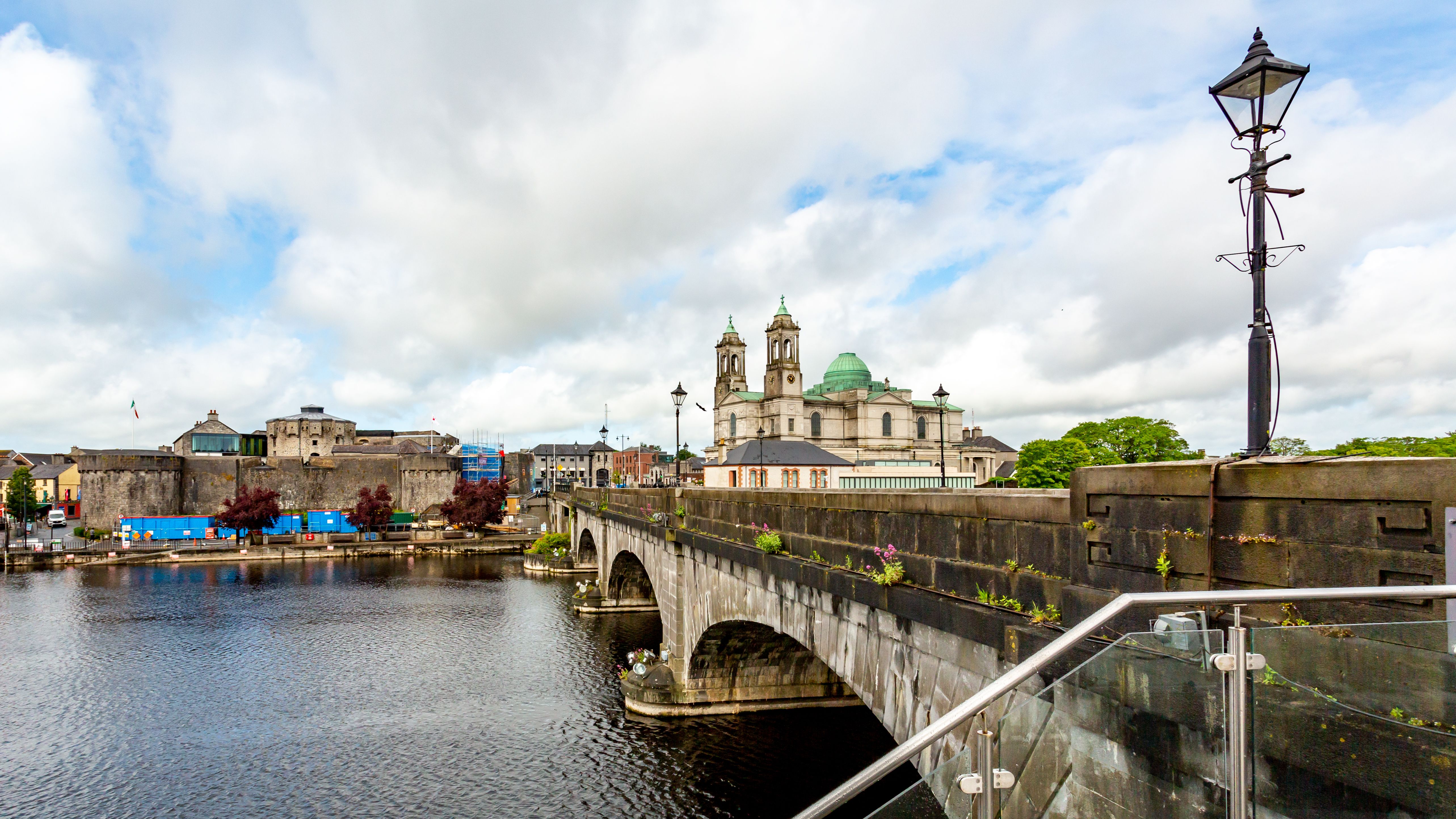
Athlone doesn’t often find itself at the centre of national debate, but in early January 2026, that changed. What unfolded there wasn’t a symbolic gathering or a token show of opposition, it was one of the largest farming-related protests Ireland has seen in recent years.
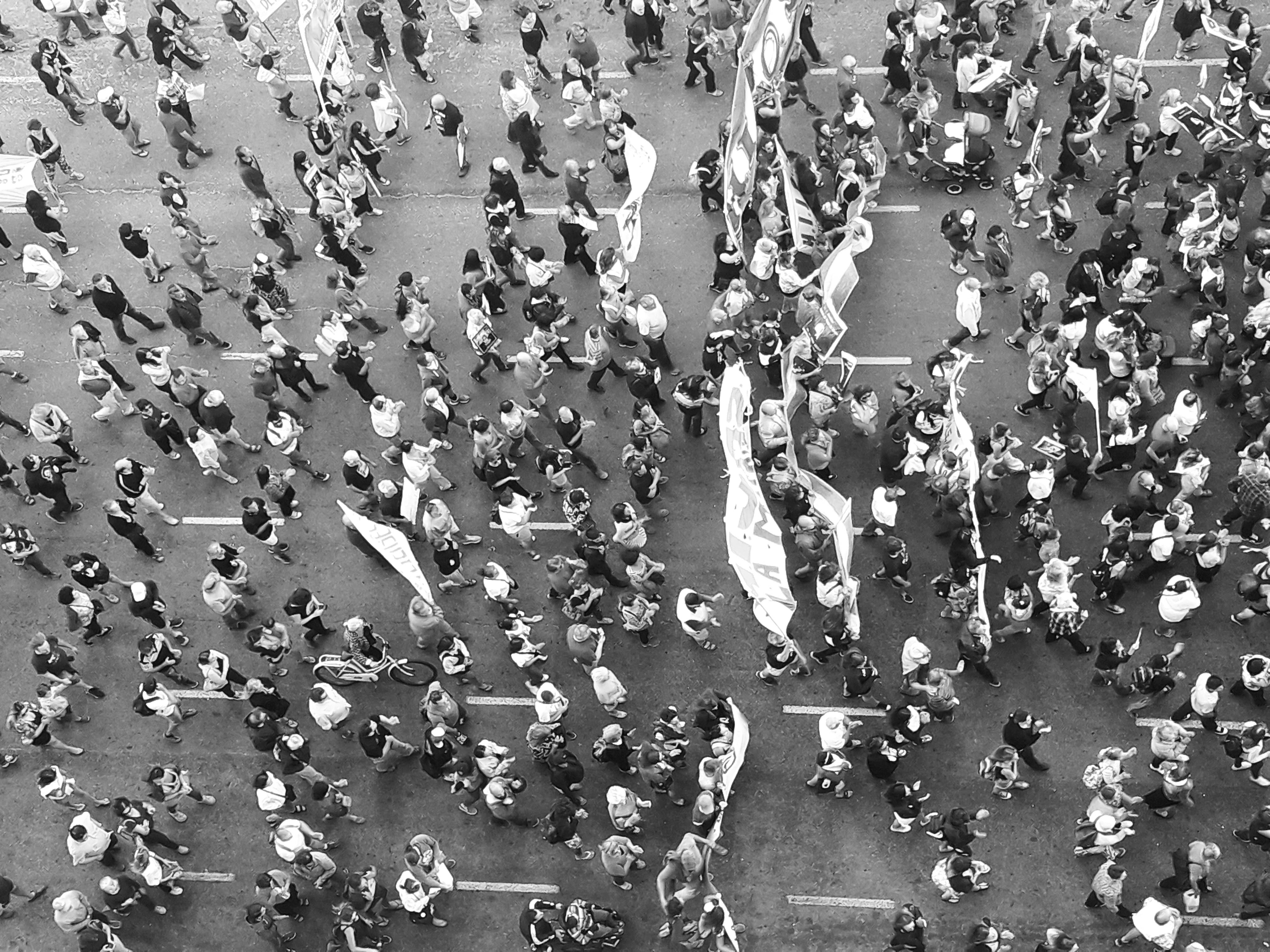
Attendance figures varied, as they often do with events of this scale. Garda estimates put the crowd at around 27,000 people, while organisers said the turnout was closer to 30,000. Even at the lower end, it was a substantial mobilisation by any standard.
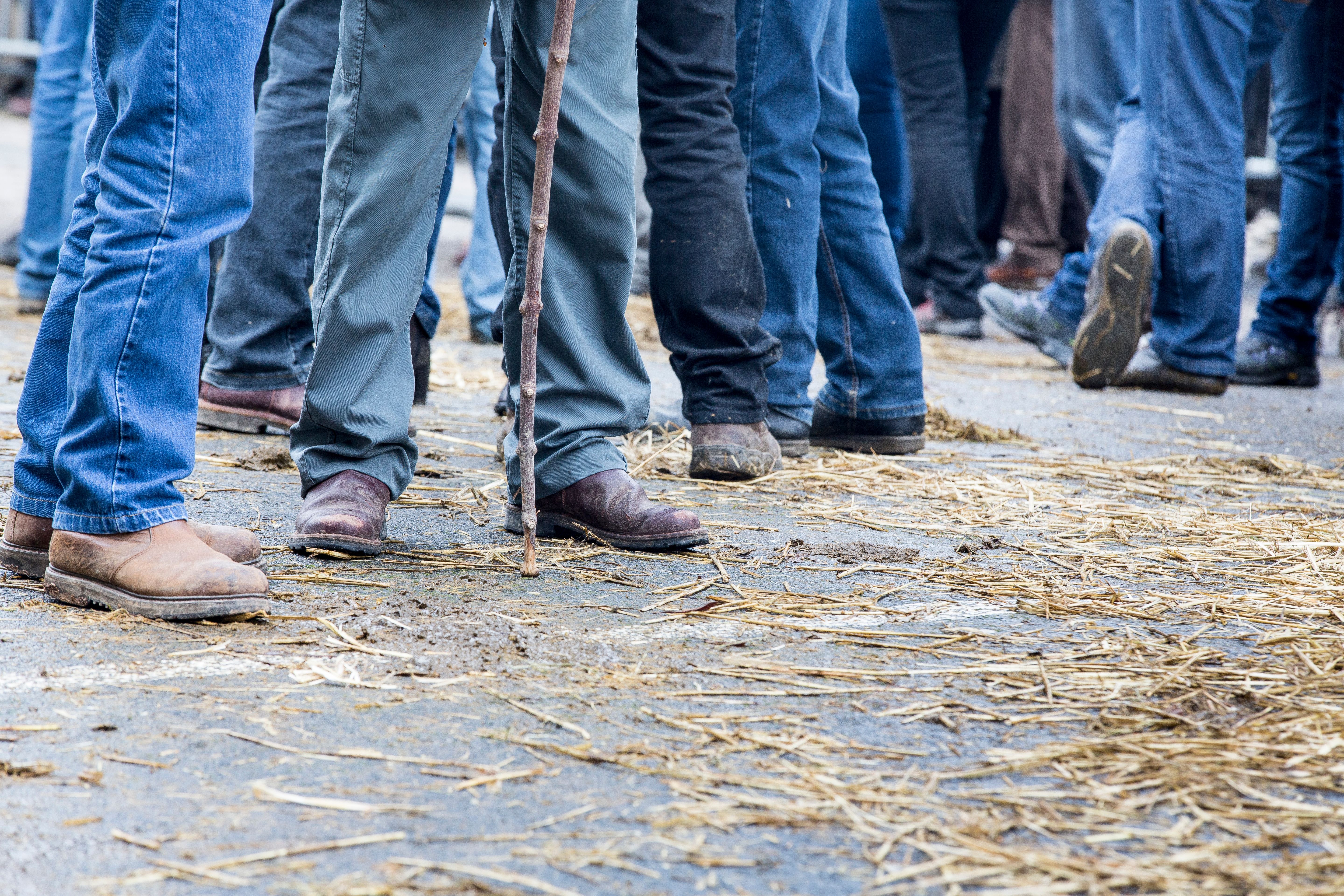
Farmers travelled from every corner of the country, many arriving by tractor, others by bus or car, joined by rural families and supporters. The message was clear and consistent: the proposed EU–Mercosur trade agreement has crossed a line for Irish agriculture.
Why Farmers Turned Out in Such Numbers
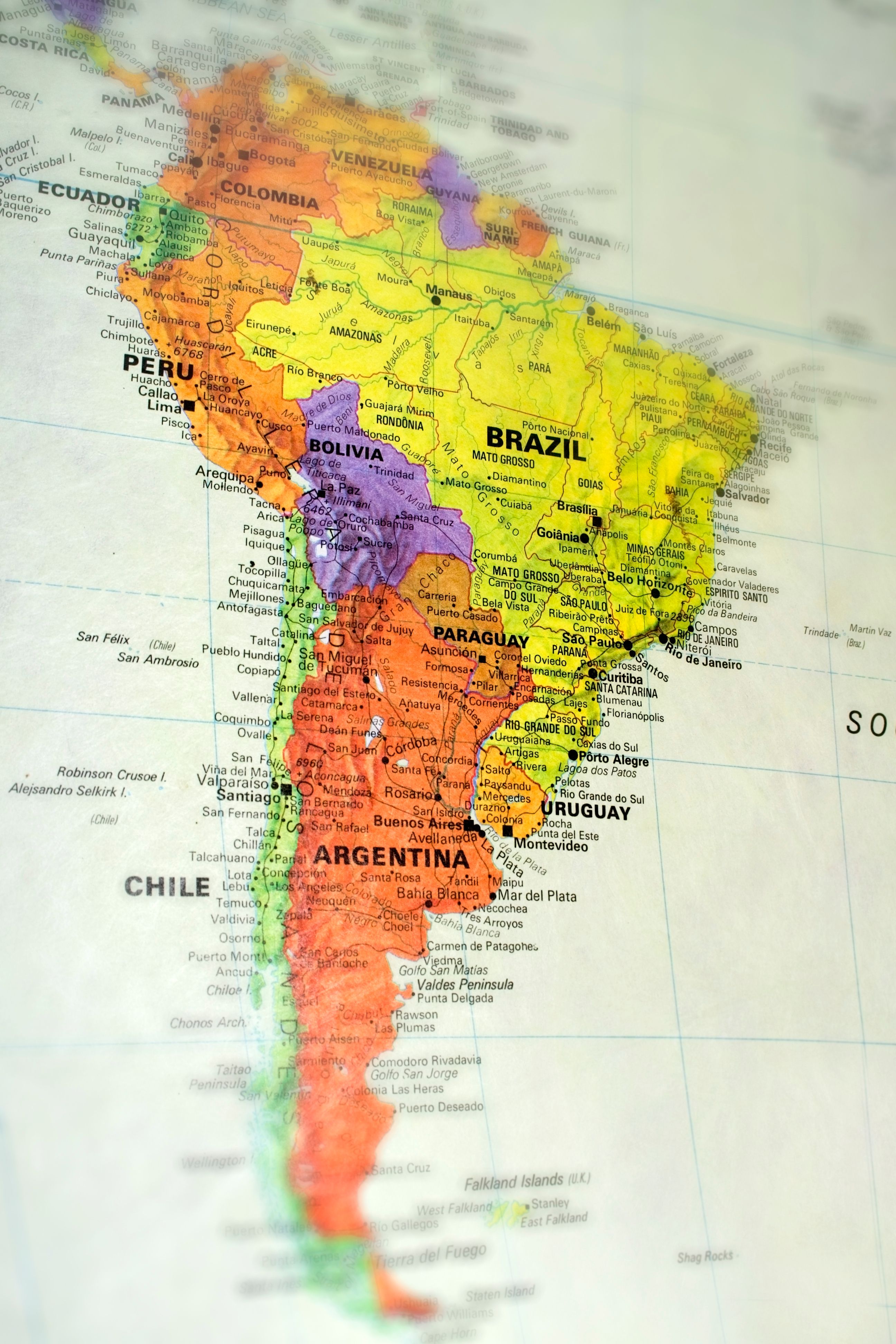
The focus of the protest was the proposed EU–Mercosur trade agreement, a deal that has been under negotiation for more than 25 years. It involves the European Union and the Mercosur bloc of Brazil, Argentina, Paraguay and Uruguay.
If it is fully implemented, the agreement would create a trade area covering more than 700 million consumers worldwide. It is designed to reduce tariffs and expand trade flows between Europe and South America across a wide range of sectors, including agriculture.
That scale is exactly what has unsettled many in Irish farming.
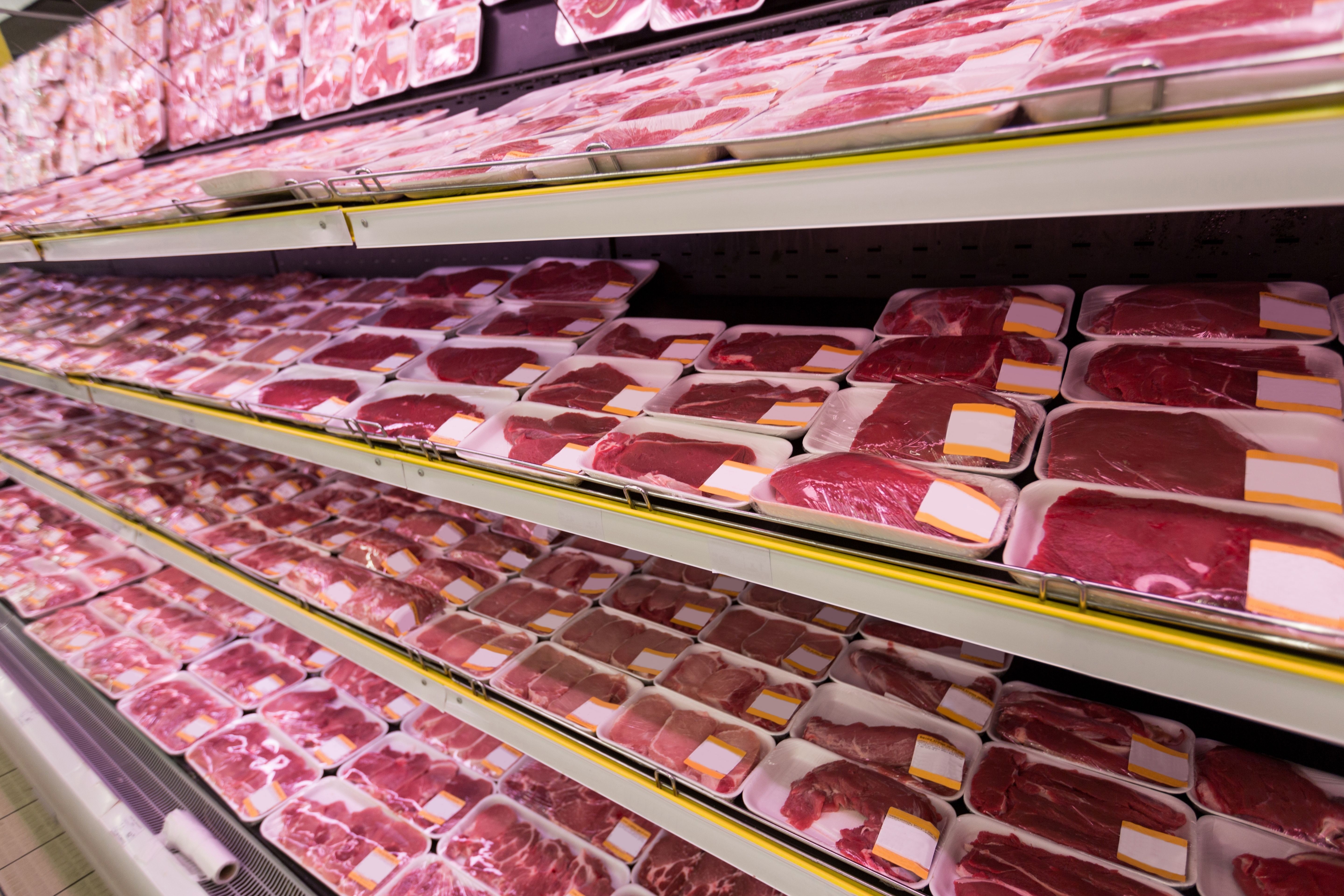
For beef farmers in particular, the concern is straightforward. The deal would increase access for South American beef into the EU market. Farmers fear this beef would be produced at lower cost and under different regulatory systems, while Irish producers continue to operate under some of the strictest environmental, animal welfare and food safety rules in the world.
What Athlone Looked Like on the Day
From early morning, roads into the town filled steadily. Tractors lined approach routes. Fields and car parks were pressed into service to manage the volume of people. Placards calling for fairness, food integrity and protection of Irish farming were everywhere.
The atmosphere was calm but determined. Stewards kept things moving. Speakers addressed the crowd throughout the day. There was anger, certainly, but it was controlled. This was about being heard, not causing disruption.
Some of the protest was symbolic. A mock coffin marked “EU Food Safety RIP” was carried during the demonstration. It wasn’t subtle, and it wasn’t meant to be. For many there, it summed up a fear that Irish food standards, hard-won over decades, could be undermined by imports produced under very different conditions.

What Farmers Are Saying
Listening to people on the ground, the same points came up again and again.
Farmers spoke about the risk of being undercut by cheaper imports. They spoke about frustration at being held to high standards that may not be matched by imported food. Many talked openly about viability, about already tight margins, and about how little room there is left to absorb another hit.
More than one speaker described the deal as a death knell for Irish farming, particularly for beef producers. Others raised a quieter but no less serious concern: what message this sends to younger farmers deciding whether to stay in the sector at all.
Where the Mercosur Deal Stands Now
It’s important to be clear about where the deal actually stands.
The EU–Mercosur agreement has been backed at EU Council level by a qualified majority of member states, but it has not yet taken legal effect. For that to happen, it must still be approved by the European Parliament.
That ratification stage is now the main focus for those opposing the deal.
Ireland is among a group of EU countries that have publicly voiced opposition to the agreement in its current form. The concerns raised relate to agriculture, environmental protections and whether production standards can be enforced in practice. Other member states have made similar points, and political pressure is continuing as the parliamentary process moves closer.
Why the Stakes Feel So High
For the people who turned out in Athlone, this isn’t an abstract policy debate.
It’s about whether Irish farmers are being asked to compete on an uneven playing field. It’s about whether food standards mean the same thing when imports arrive at scale. And it’s about what happens to rural economies if farm incomes are pushed further under pressure.
Beef producers, in particular, feel exposed. Many believe that once increased imports begin, any damage done will be difficult to undo, regardless of assurances or safeguards offered later.
What Happens Next
Organisers of the protest were clear on one thing: Athlone was not meant to be the end of this. It was a marker. Further political engagement, lobbying and mobilisation are expected as the European Parliament approaches its decision.
Whether the agreement is amended, delayed or ultimately blocked remains uncertain. What is not uncertain is the strength of feeling.
Conclusion
With around 27,000 people counted by Gardaí and organisers estimating closer to 30,000, the protest sent a message that will be difficult to ignore. The Mercosur debate is no longer something happening quietly in Brussels. It has landed firmly in the middle of rural Ireland.
Whatever happens next, Irish farming has made one thing clear: it does not intend to be a silent stakeholder in decisions that could reshape its future.
*By Anne Hayden MSc., Founder, The Informed Farmer Consultancy.