
Listening to Ireland's Farmland Birds: Insights and Implications


Introduction
For many people, the arrival of spring in rural Ireland is marked by familiar sights and sounds, the soaring song of the skylark, the unmistakable call of the Curlew or swallows returning to nest in farmyards. Yet across much of the country, these once-common birds are becoming less familiar.
This is more than simply a wildlife issue. Farmland birds are widely recognised as one of the clearest indicators of the health of Ireland's agricultural landscape. Their populations reflect the condition of our hedgerows, grasslands, wetlands and field margins, providing valuable insight into how the countryside is changing.
With approximately 63% of Ireland's land used for agriculture, farmers play a central role in shaping the habitats these birds depend upon. As farming continues to evolve to meet environmental, economic and food production challenges, understanding what farmland birds are telling us has never been more important.
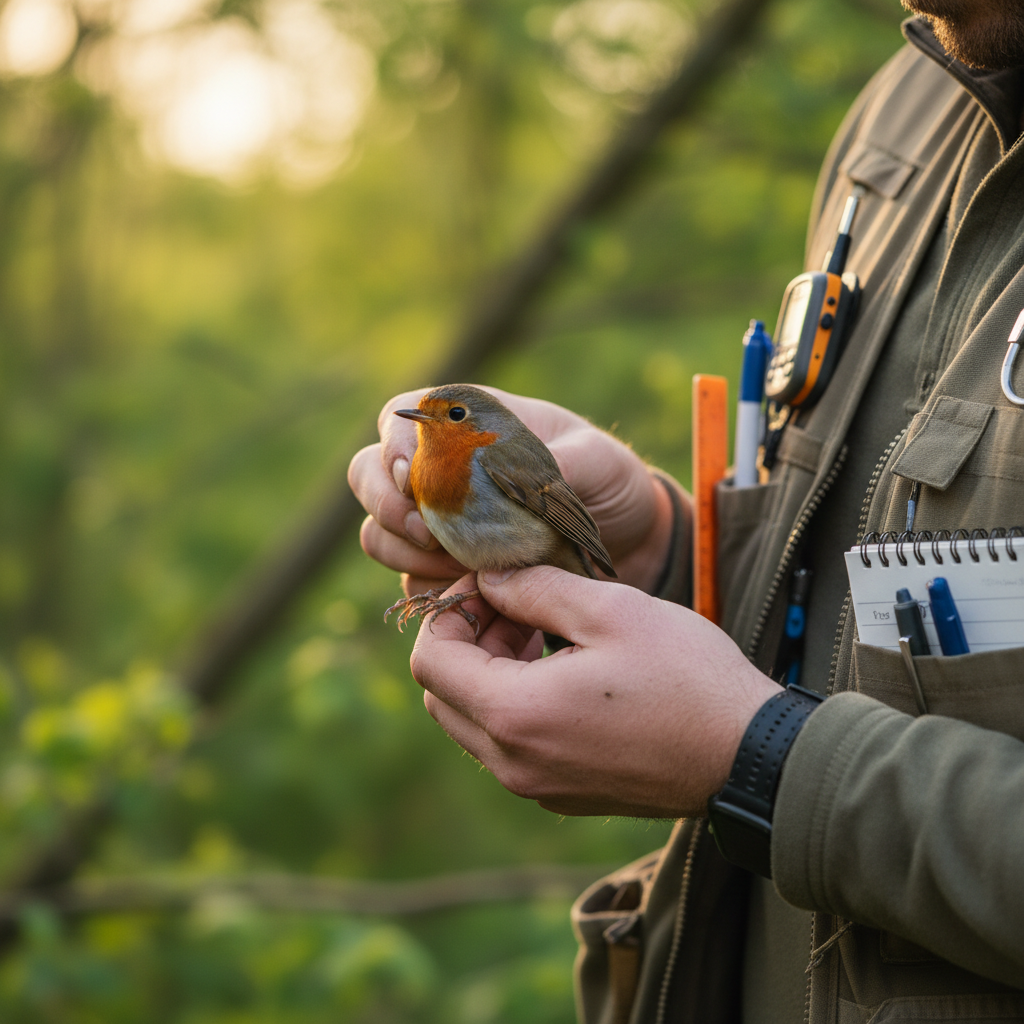
Birds Are Nature's Health Check
Birds do far more than add character to the countryside.
Many species feed on insects that can damage crops and grassland, helping to naturally regulate pest populations, while others disperse seeds and contribute to healthy ecosystems. More importantly, scientists regard farmland birds as indicator species because they respond quickly to changes in habitat quality, food availability and farming practices.
Ireland monitors the health of its countryside through the Common Farmland Bird Index, which tracks 14 widespread breeding farmland bird species. Since monitoring began in 1998, the index has become one of Ireland's key measures of biodiversity, helping researchers identify changes occurring across agricultural landscapes.
Healthy bird populations often indicate healthy farmland. Where birds thrive, it is often a sign that habitats, insect populations and ecosystems are functioning well.
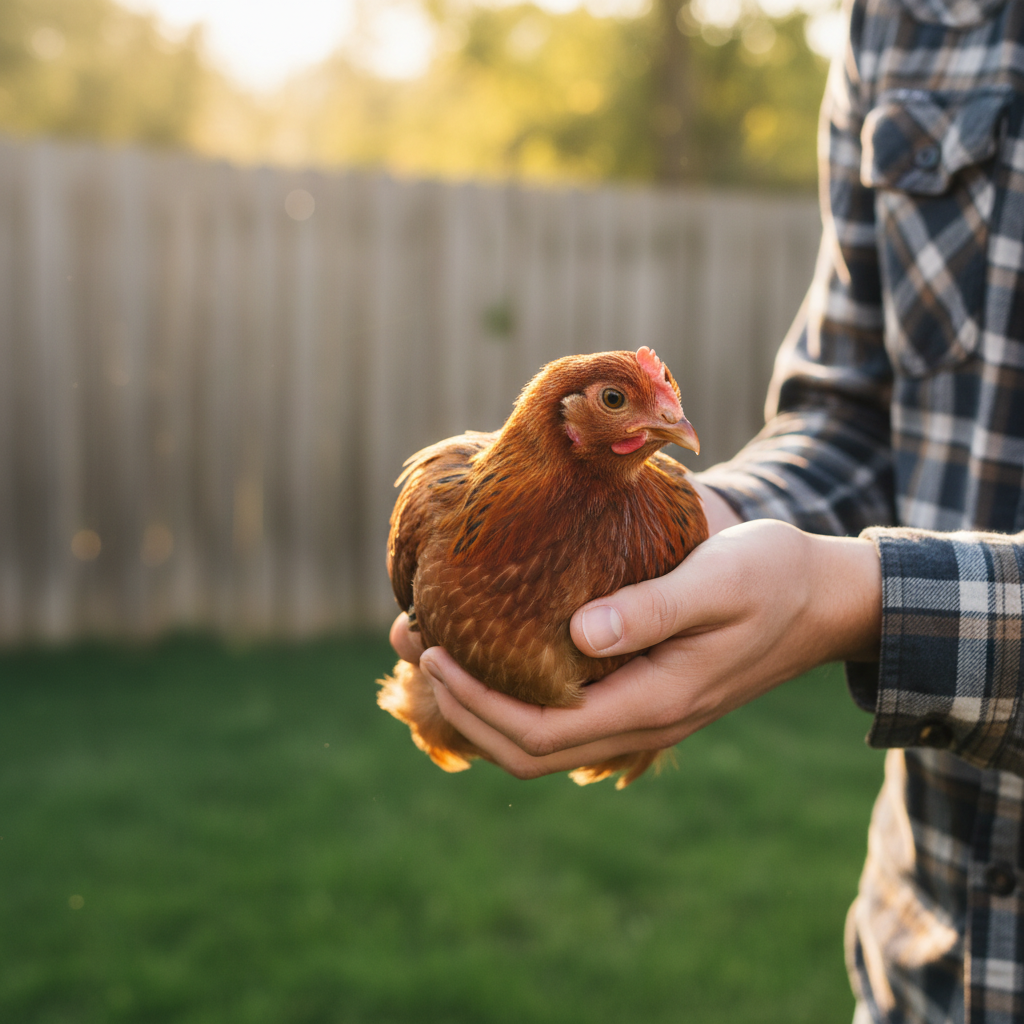
What Are the Numbers Telling Us?
Although many farmland birds remain a familiar sight, long-term monitoring suggests that several species continue to face significant challenges.
Since 1998, Ireland's Common Farmland Bird Index has declined by approximately 8%, highlighting the ongoing pressures affecting farmland habitats.
Some species have experienced particularly dramatic declines.
The Curlew, once one of the defining sounds of the Irish countryside, is now one of the country's most threatened breeding birds, with only around 100–150 breeding pairs estimated to remain.
Other species experiencing long-term declines include:
- Lapwing.
- Yellowhammer.
- Grey Partridge.
- Corn Bunting.
- Twite.
- Corncrake
Across Europe, the picture is similar. The European Farmland Bird Index has fallen by more than 50% since 1980, demonstrating that the pressures affecting Ireland's farmland birds are part of a much wider trend.
Why Are Farmland Birds Declining?
There is no single explanation for declining bird populations.
Instead, scientists point to a combination of factors that have gradually altered the countryside over recent decades.
These include:
- Changes in farming systems.
- Loss and fragmentation of habitats.
- Drainage of wetlands.
- Reduced areas of rough grassland.
- Fewer mixed farming enterprises.
- Changes in crop rotations.
- Climate change.
- Increased predation in some areas.
Importantly, this is not about blaming farmers.
Irish agriculture has transformed significantly over the past fifty years in response to growing food demand, changing markets, technological advances and evolving environmental legislation.
Farmers today are expected to produce high-quality food while reducing emissions, improving water quality, protecting biodiversity and maintaining profitable businesses. Balancing all of these priorities is no easy task.
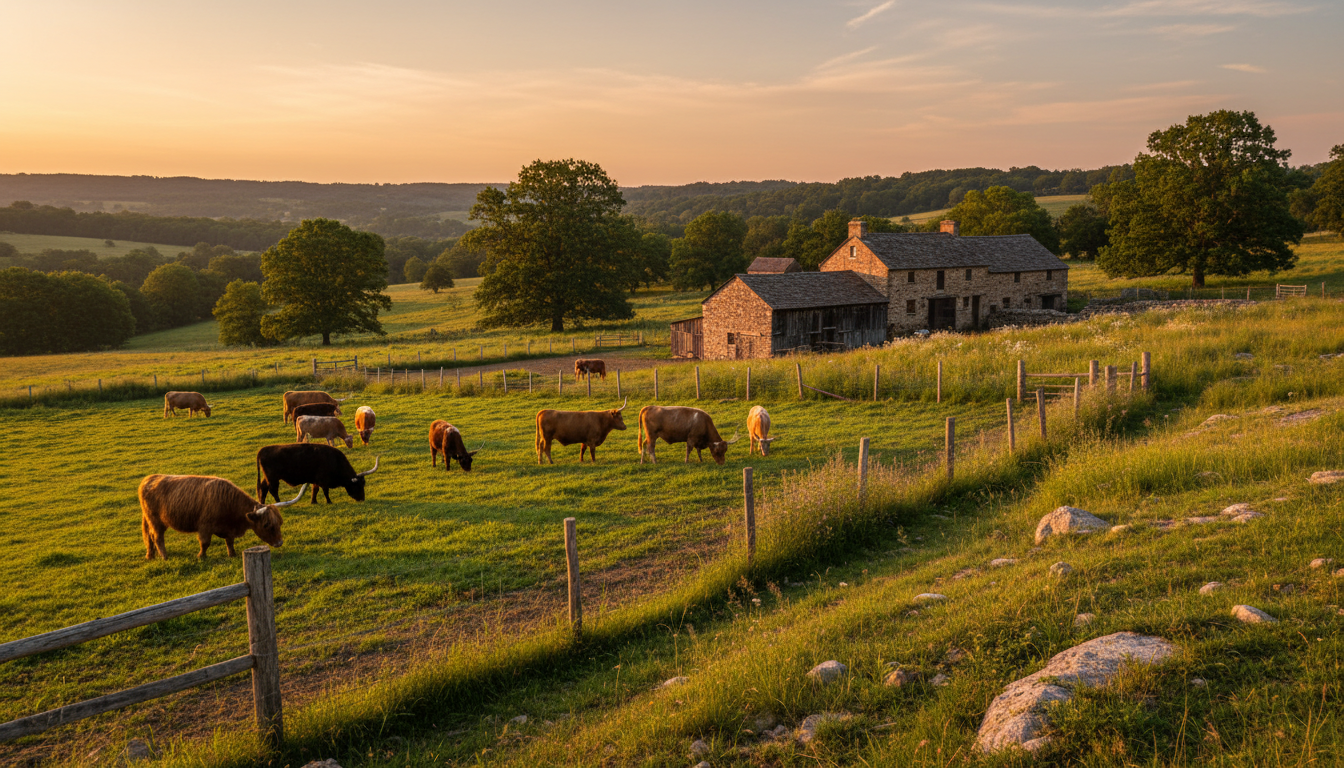
Farmers Are Already Making a Difference
Despite the challenges, many Irish farmers are already making significant contributions to bird conservation.
Across the country, practical measures are helping to improve habitats while maintaining productive farming businesses.
These include:
- Conserving and restoring native hedgerows.
- Leaving uncultivated field margins.
- Establishing wild bird cover.
- Protecting wetlands and traditional hay meadows.
- Delaying hedge cutting until permitted periods.
- Planting native trees and shrubs.
- Participating in agri-environment schemes such as ACRES.
These actions benefit far more than birds.
Healthy hedgerows provide shelter for livestock, reduce soil erosion, improve water quality, capture carbon and support pollinators. Flower-rich field margins also encourage beneficial insects that provide natural pest control, reducing pressure on crops while increasing biodiversity.
Small changes across thousands of farms can collectively make a significant difference.
Success Stories Show Recovery Is Possible
While much attention is given to declining species, there are also encouraging success stories.
The Red Kite, once extinct in Ireland, has returned following successful reintroduction programmes and is now well established in several counties.
Targeted conservation work has also helped stabilise Curlew populations in key breeding areas through habitat restoration, predator management and close cooperation between farmers, conservation organisations and local communities.
Programmes supporting species such as the Corncrake and Hen Harrier have also demonstrated that well-designed conservation initiatives can deliver positive results when they work alongside farming rather than against it.
These examples show that productive agriculture and wildlife conservation can successfully coexist.
Why Healthy Bird Populations Matter to Farmers
Healthy bird populations are often a sign of healthy farmland.
Farms supporting a wide variety of bird species frequently also benefit from:
- Diverse hedgerows.
- Healthy insect populations.
- Better soil structure.
- Richer biodiversity.
- Greater resilience to environmental change.
Many insect-eating birds naturally reduce populations of crop pests, while birds feeding on weed seeds can also contribute to healthier fields.
There is also an economic benefit.
Ireland's agri-food sector exports approximately €19 billion worth of food and drink each year. As consumers increasingly seek sustainably produced food, Ireland's reputation for farming alongside nature has become an important competitive advantage in international markets.
Demonstrating good environmental stewardship is becoming just as important as producing high-quality food.
Challenges Remain
Supporting bird populations is not without challenges.
Farmers continue to manage rising production costs, labour shortages, unpredictable weather, changing environmental regulations and increasing pressure to remain competitive internationally.
Some conservation measures require additional time, investment and changes to land management, making it essential that they are practical, evidence-based and properly supported through long-term policy.
Many farmers are willing to play their part, but they also want recognition that profitable farms are often best placed to invest in environmental improvements.
Finding solutions that support both biodiversity and farm viability will be essential if long-term progress is to be achieved.
Looking to the Future
Ireland's countryside will continue to evolve as agriculture adapts to climate change, technological advances and changing consumer expectations.
Protecting farmland birds does not mean returning to traditional farming methods. Instead, it means integrating biodiversity into modern, productive farming systems through practical measures that benefit both agriculture and the environment.
Maintaining hedgerows, protecting wetlands, managing field margins and supporting agri-environment schemes all contribute to healthier, more resilient farms while creating habitats that allow farmland birds to flourish.
The future of Ireland's birdlife will depend not only on conservation organisations but also on the thousands of farmers who manage the landscapes these species call home.
Conclusion
Farmland birds are far more than a symbol of rural Ireland—they are a measure of the health of our countryside.
Their songs, nesting habits and population trends provide valuable insights into the condition of the landscapes that support food production, biodiversity and rural communities.
While some species continue to face significant challenges, there are also genuine reasons for optimism. Conservation successes across Ireland have shown that practical habitat management, informed by science and supported by farmers, can reverse declines and help threatened species recover.
Ultimately, protecting farmland birds is not simply about conserving wildlife. It is about safeguarding the healthy, resilient landscapes on which Irish agriculture depends. By continuing to balance productive farming with environmental stewardship, Ireland can ensure that future generations inherit a countryside where both farming and nature continue to thrive side by side.
*By Anne Hayden MSc., Founder, The Informed Farmer Consultancy.