
Navigating Ireland's Rising Rainfall: Impacts on Farmers and the Economy


Introduction
Most Irish farmers don’t need climate reports to tell them it’s getting wetter. They see it in fields that don’t dry out, in silage that slips later every year, and in ground that looks fine from the gate but won’t carry a machine when you try to work it.
What’s changed is that the figures now line up with that experience. Ireland’s rainfall patterns have shifted, and those shifts are no longer subtle. They’re affecting how farms run, how much they cost to operate, and how much margin is left at the end of the year.
This isn’t just about weather anymore, it’s about economics.
The Rainfall Baseline Has Moved
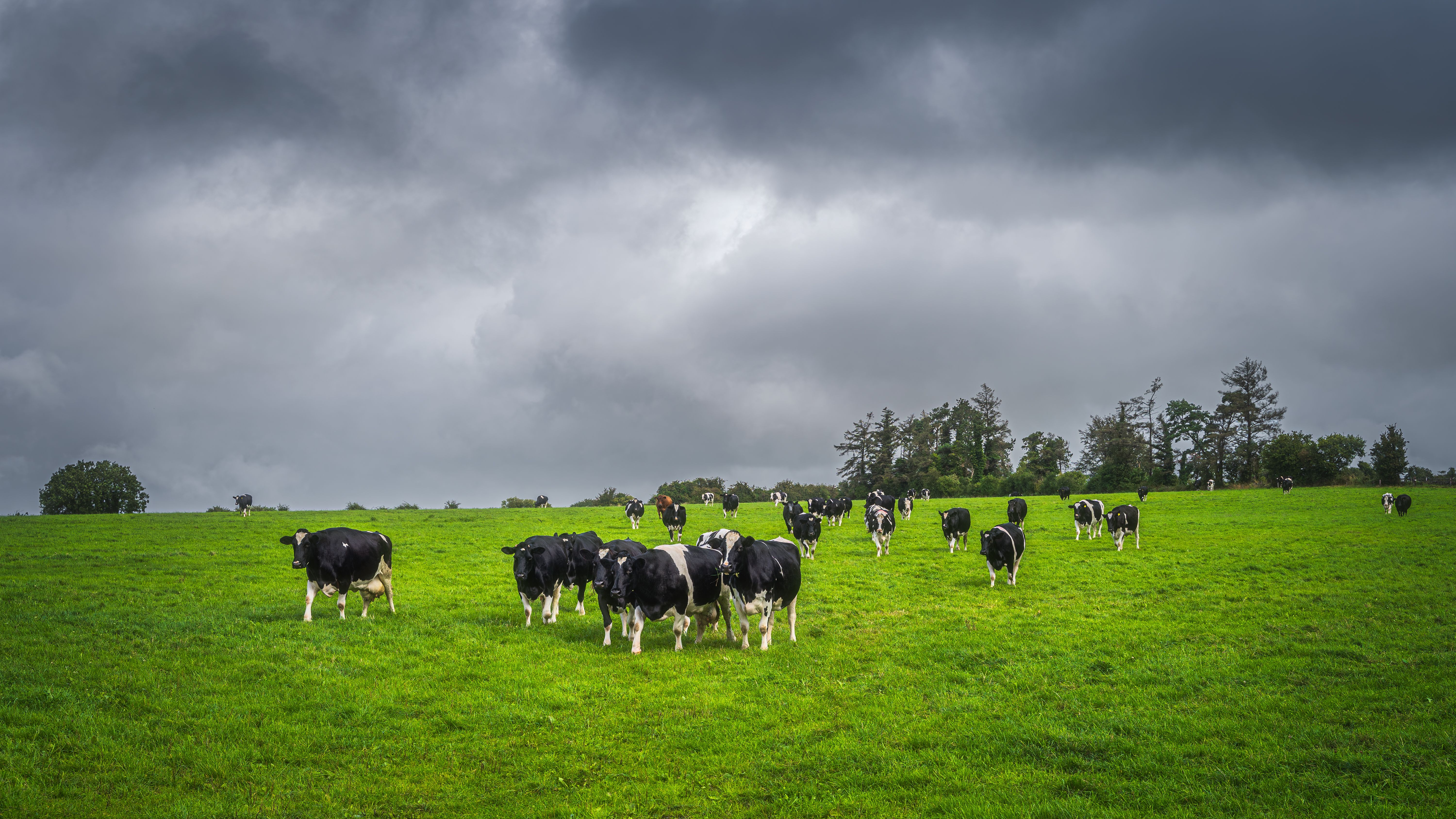
Ireland’s current long-term climate average shows that average annual rainfall is now about 1,288 mm, based on the 1991–2020 period. That represents an increase of around 7 percent compared with the 1961–1990 average.
On paper, 7 percent might sound modest. On a farm, it isn’t.
That extra rainfall means more water moving through soils year after year. It means land takes longer to dry after rain, it means a field that used to be workable two days after a shower might now need four or five, and it means the margin for timing jobs has narrowed.
This isn’t confined to one part of the country either. While the west still takes the brunt of total rainfall, the upward trend is visible right across Ireland.
Wet Winters Are Where the Pressure Builds
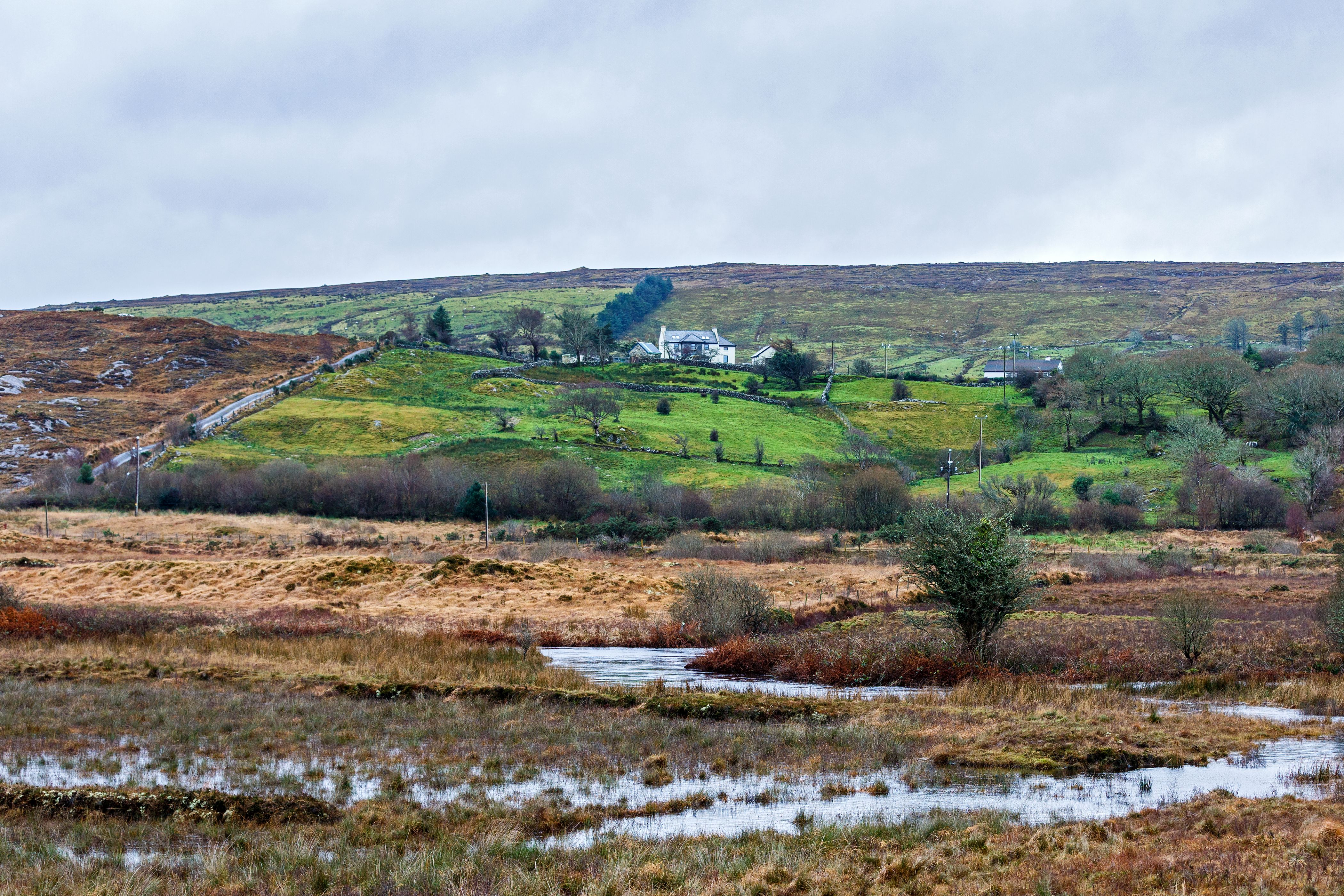
The data also shows that winter rainfall has increased more than other seasons, and that’s where many farms feel the strain most sharply.
Winter is supposed to be a recovery period for land. Instead, wetter winters now leave soils saturated heading into spring. Water tables stay high, ground doesn’t firm up the way it used to.
That has knock-on effects that stretch far beyond winter itself:
- Spring access is delayed.
- Early fertiliser and slurry timing becomes harder.
- Grazing starts later.
- Soil damage risk increases the moment machinery or livestock go back out.
A wet winter doesn’t end in February. It shadows the whole year.
It’s Not Just More Rain — It Falls Differently Now
Another change farmers talk about a lot is how rain arrives.
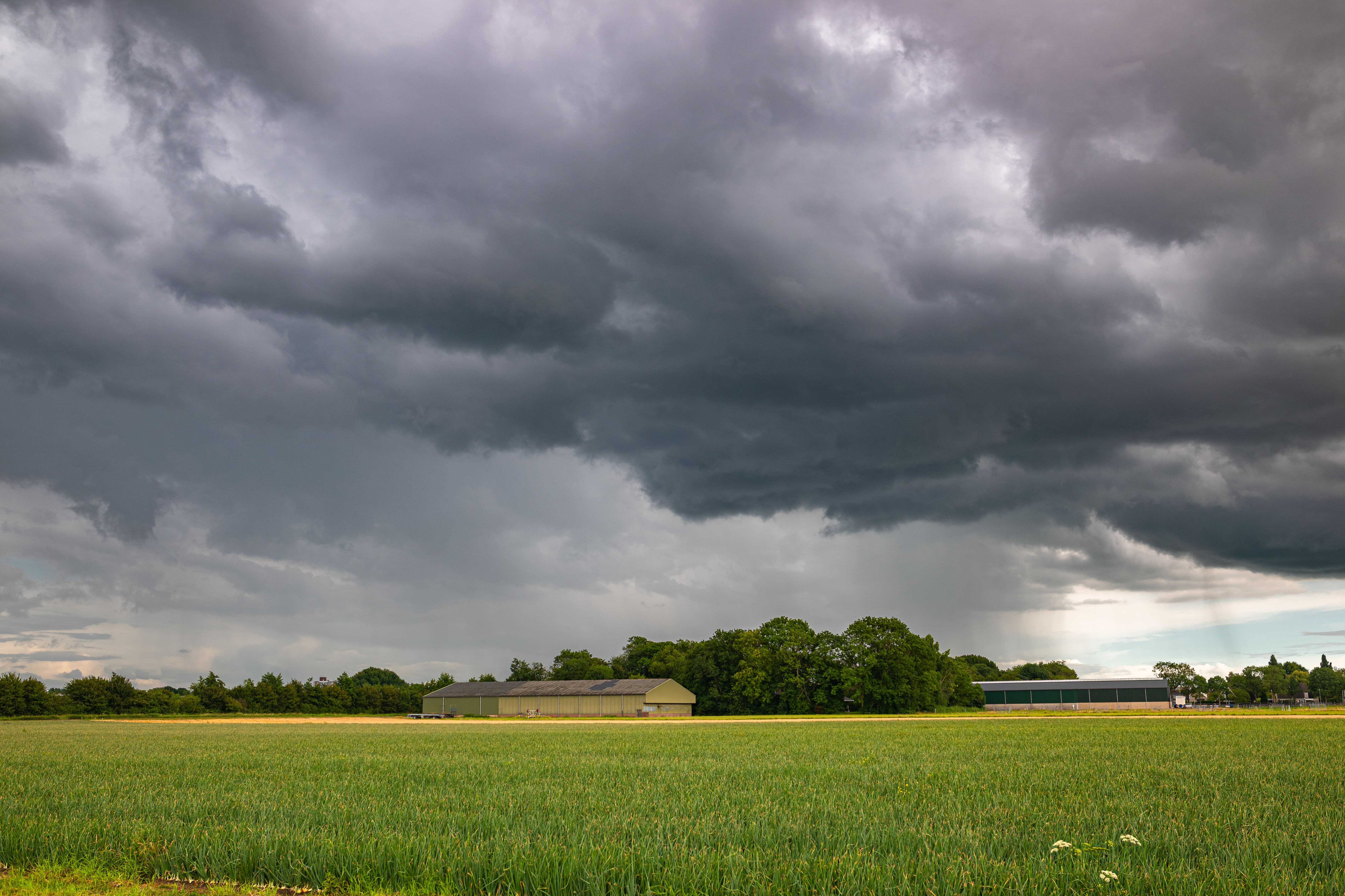
Instead of steady, soaking rainfall spread over days, there’s more evidence of rain falling in short, heavy bursts. These downpours overwhelm soils and drains far more quickly than older patterns of rainfall ever did.
That’s why you can get flash flooding in fields that drained reasonably well in the past. It’s why a week that looks workable on paper can be undone by one heavy day of rain.
Farmers often describe having “less reliable breaks” in the weather. That description fits the data.
Where the Cost Shows Up on Farms
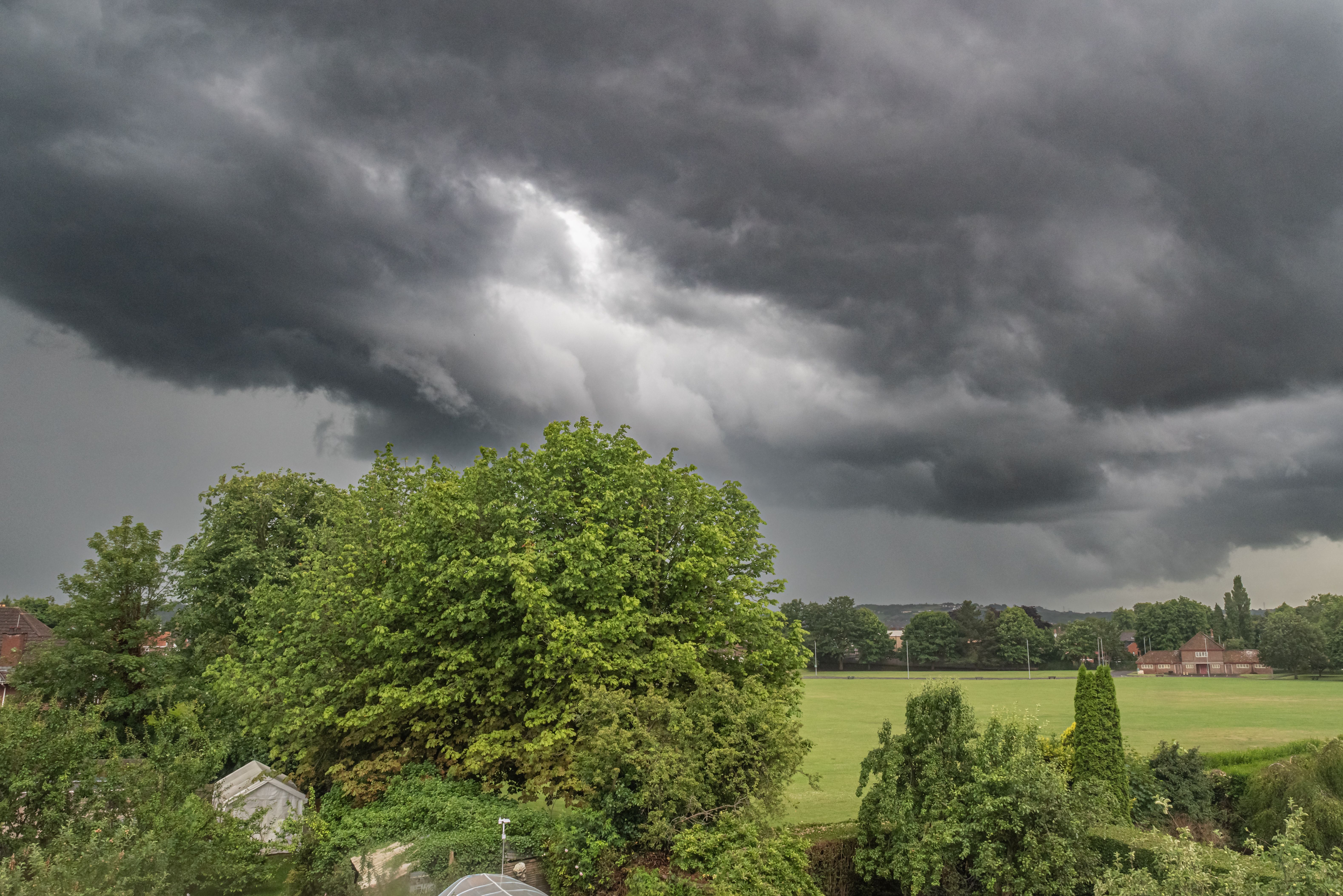
The economic impact of wetter conditions doesn’t usually come as a single obvious loss. It builds quietly.
When land access is delayed:
- Sowing dates slip.
- Reseeding is pushed back.
- Silage cuts move later.
- Grazing rotations tighten.
Over time, that leads to:
- Lower grass utilisation.
- Greater reliance on bought-in feed.
- Poorer fertiliser efficiency.
- More wear on roadways, gateways and infrastructure as work is done in poorer conditions.
None of this needs a flood or a disaster. It happens in ordinary wet years, and those years are becoming more common.
Payments Help, But They Don’t Cancel Out Weather
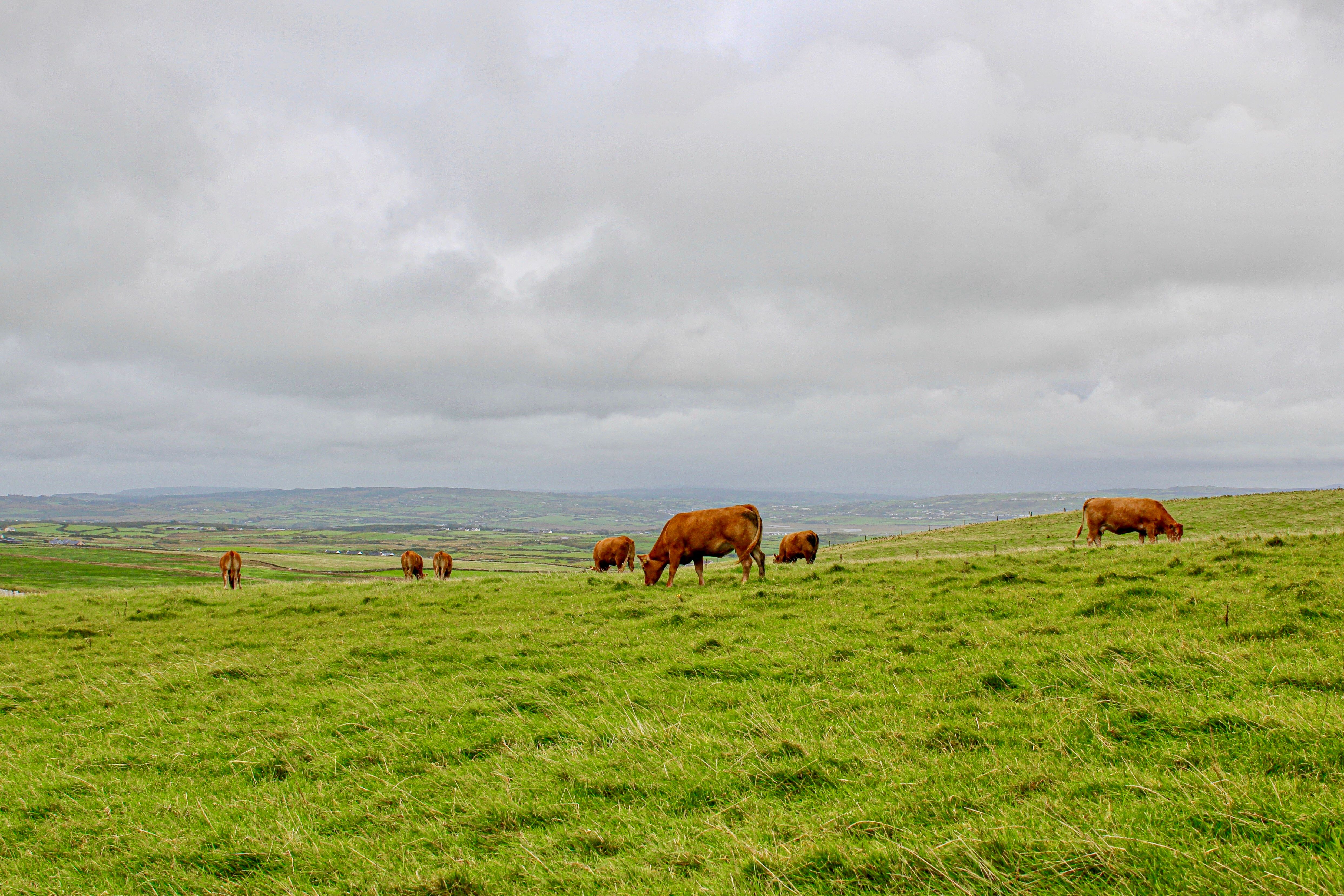
Direct payments and schemes provide vital stability. They help keep farms viable through volatility and rising costs.
But they don’t stop rainfall from reshaping how land performs.
Wetter conditions can still mean:
- Reduced output even when scheme requirements are met.
- More pressure around compliance when ground conditions limit options.
- Extra cost just to maintain land in workable shape.
Support payments cushion the impact. They don’t erase the lost days, the poorer silage, or the infrastructure strain that comes with persistent wet weather.
Drainage and Maintenance Are No Longer Optional Extras
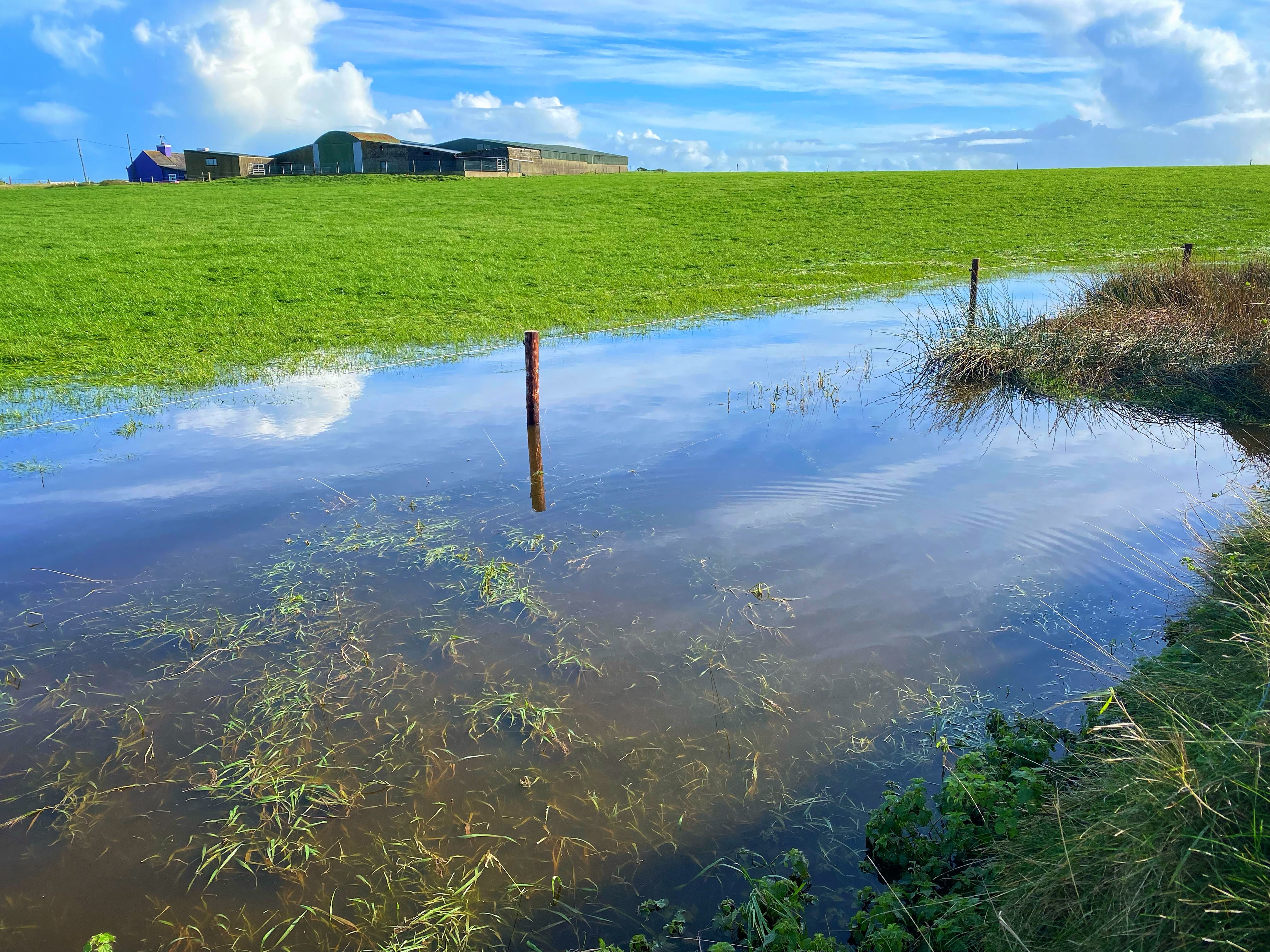
One of the clearest signs of change is how often drainage and maintenance work now comes up in conversation.
Higher annual rainfall and heavier downpours mean:
- Drains need more frequent attention.
- Ditches silt up faster.
- Gateways break down sooner.
- Fields that once coped now struggle.
These aren’t once-off expenses, they recur, and on heavier land, they can quickly become a permanent line in the cost structure of the farm.
Livestock Feel It Too
Animals don’t ignore wet ground.
Persistently soft conditions increase the risk of:
- Lameness.
- Hoof and skin problems.
- Hygiene issues.
- Inefficient grazing.
Even when housing is available, managing stock in and out of sheds becomes harder when ground never truly firms up. Labour increases, stress increases, performance can slip without there ever being a single dramatic event.
What This Means Going Forward
A 7 percent increase in annual rainfall, combined with wetter winters and heavier rainfall events, changes the rules farms operate under.
It shortens workable windows, it raises the cost of mistakes, it forces investment just to maintain existing performance, and it leaves less room for flexibility when weather turns against you.
Irish farming has always adapted to weather. What’s different now is that wetter conditions are becoming the baseline rather than the exception.

Conclusion
Climate change doesn’t arrive on farms as a headline or a policy debate. It arrives as another wet week, another job pushed back, another field that doesn’t quite recover.
The figures show that Ireland is already wetter than it was a generation ago. For farmers, that reality now feeds directly into costs, workload and long-term planning.
Understanding those numbers isn’t about alarmism. It’s about being honest about the conditions farms are now operating in, and planning accordingly.
If you’d like, I can follow this with a practical piece on adapting farm systems to wetter conditions, focusing on drainage priorities, soil resilience and decision-making under tighter weather windows.
*By Anne Hayden MSc., Founder, The Informed Farmer Consultancy.