
Soil Damage and Recovery Strategies After Wet Winters


Introduction
If your land feels like it’s been through the wars since last autumn, you’re not imagining things. Wet winters don’t just make fields awkward to work, they quietly change the soil itself. And once structure is damaged, it doesn’t bounce back overnight.
To make matters trickier, snow, ice and sharp frosts are forecast this week, with night-time temperatures expected to drop to around -2°C, and down as low as -4°C over the weekend, before daytime highs recover to roughly 1–6°C. That matters, because frozen ground can look safe when it absolutely isn’t.
This isn’t a theoretical piece. It’s about what wet winters actually do to soil, what that costs in real output, and how to recover ground without making things worse.
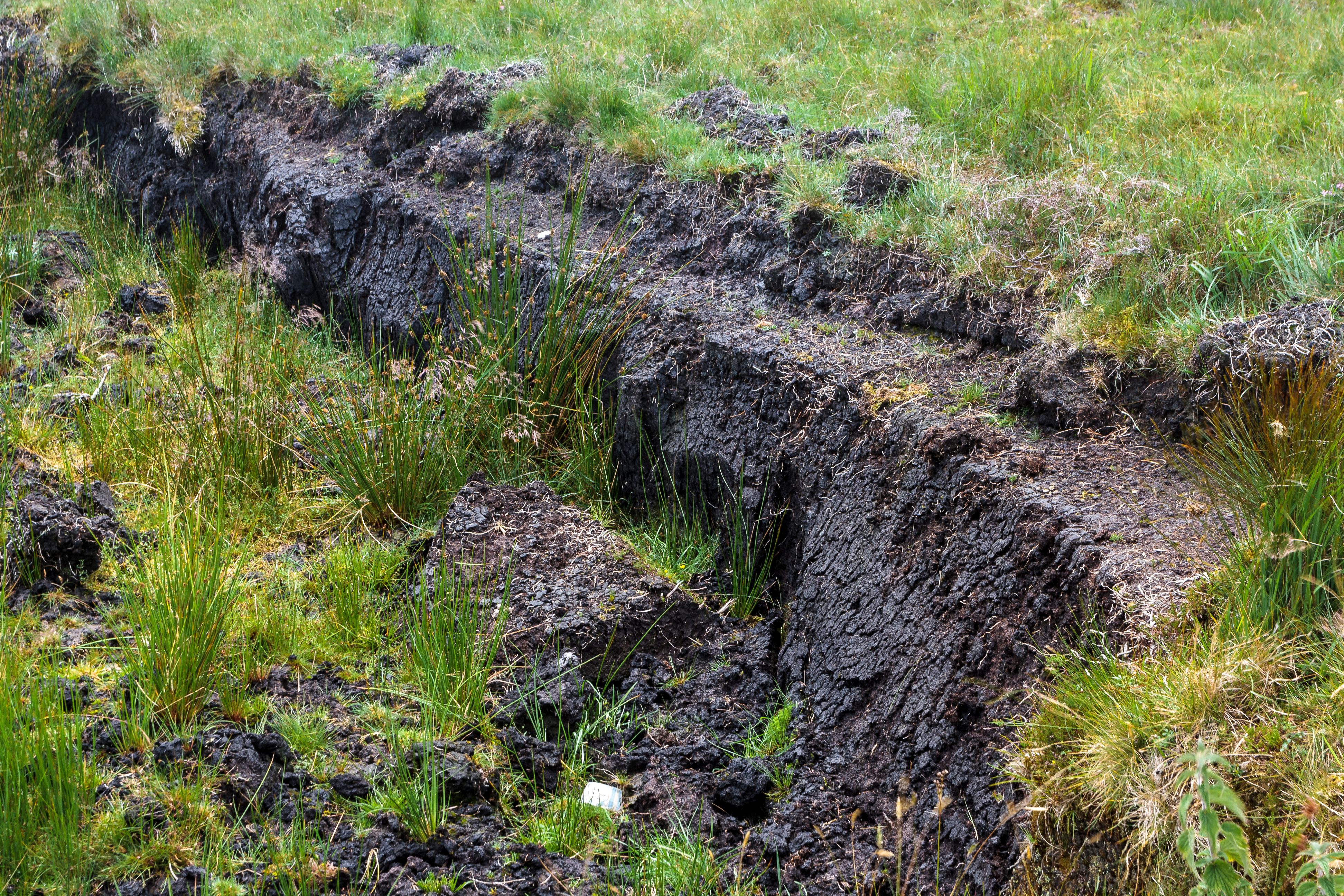
What wet winters really do to soil (not just what they look like)
After prolonged rain, two types of damage usually show up, sometimes together.
The first is surface damage. Hooves and tyres smear the top few centimetres of soil, closing off pores. Water stops soaking in properly, so it sits. Roots stay shallow. Grass struggles to respond in spring.
The second, and more serious, is compaction lower down. That’s harder to see, but it’s the damage that lingers.
Irish research has shown that compaction can lead to:
- A 12% reduction in total soil porosity.
- A 15% increase in bulk density,
- And, in a crop example, a 20% reduction in winter barley yield compared with uncompacted soil.
That barley figure often surprises people, but the mechanism is the same in grassland. Less pore space means less air. Less air means poorer roots. And once roots are struggling, everything above ground suffers.
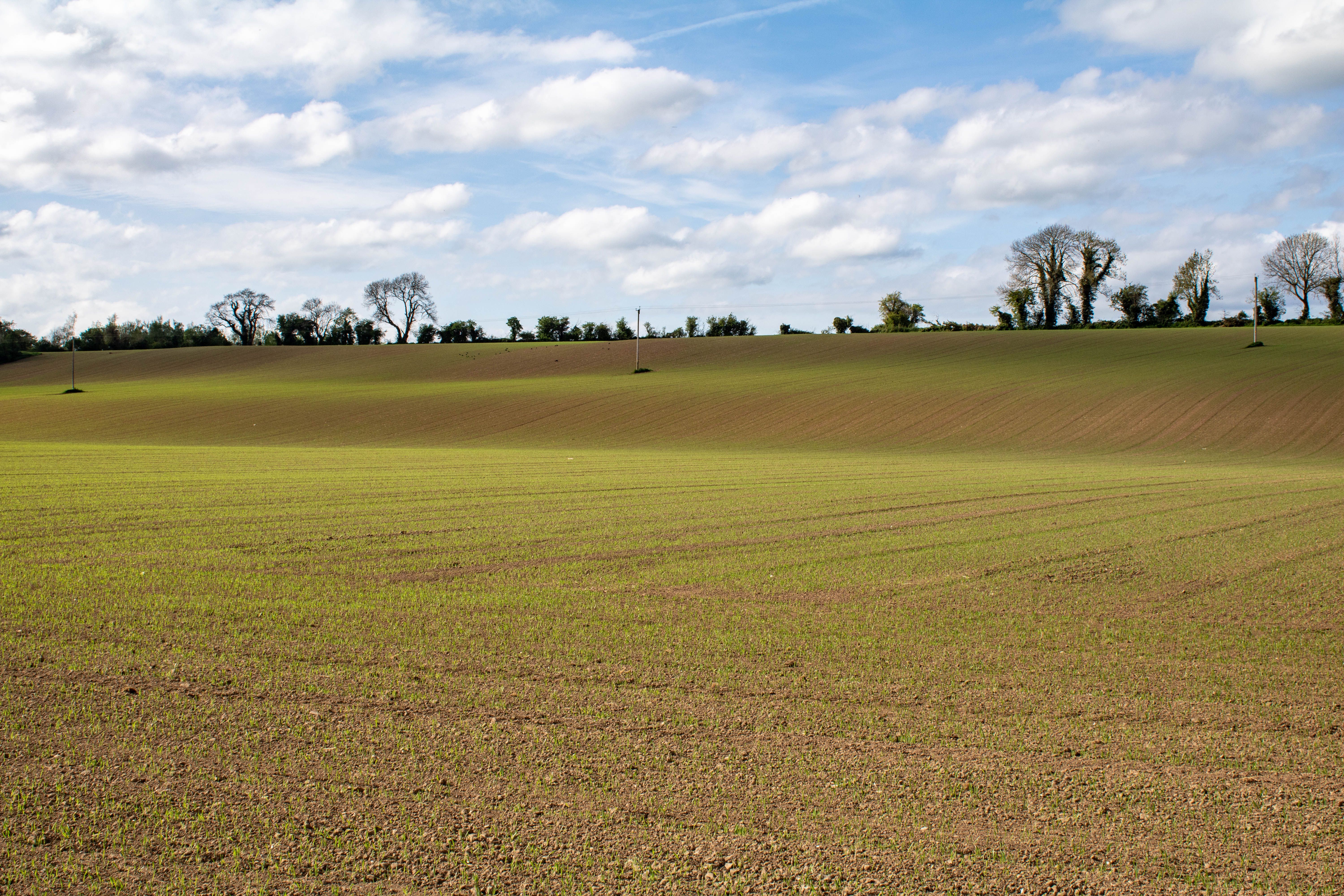
What that damage actually costs you in grass
Soil damage isn’t just untidy, it’s expensive.
Research on Irish grassland has recorded yield losses ranging from 8% to 31% where silage machinery traffic caused compaction. The reason the range is so wide is simple: soil type, timing, axle weight and repeat traffic all matter.
But even the lower end hurts.
If a paddock normally produces 10 tonnes of grass dry matter per hectare per year:
- An 8% loss means 0.8 tonnes gone.
- A 20% loss means 2.0 tonnes gone.
- A 31% loss means 3.1 tonnes gone.
That’s grass you don’t grow. Which usually means feed you end up buying.
There’s another cost farmers often miss: poor response to fertiliser. You can spread nutrients perfectly, but if roots can’t access them because structure is tight, the return just isn’t there.
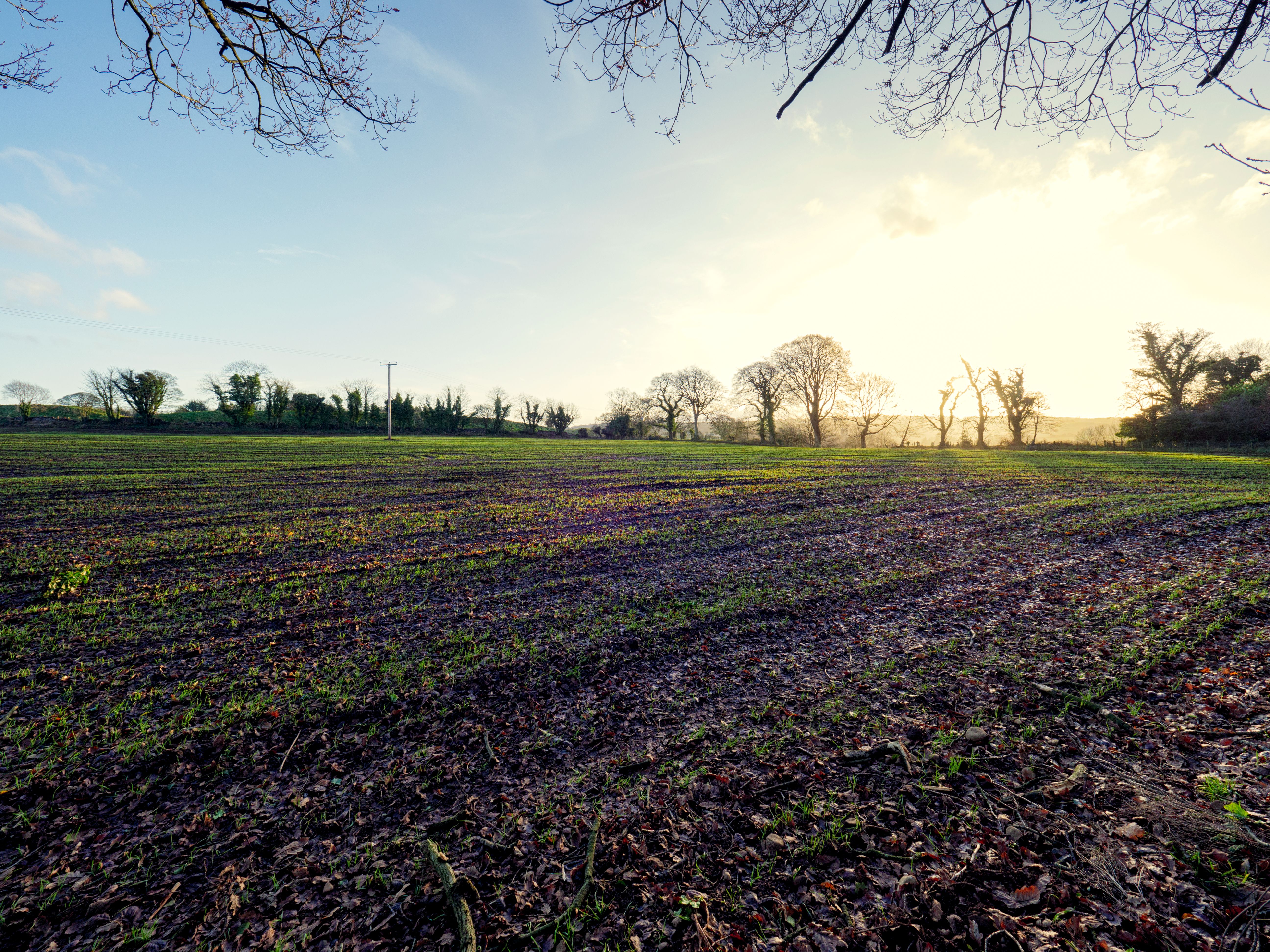
Why this week’s snow and frost matters more than it looks
This week is awkward. The forecast includes snow, sleet, ice and frost, with sub-zero nights and slow daytime warming.
Here’s the trap:
- Frozen ground can feel solid underfoot, but the soil beneath may still be wet. One pass with a tractor in those conditions can push compaction deeper than anything you did all winter.
- Freeze–thaw cycles can sometimes help crack a sealed surface, but on already weakened soil they can also break structure into clods and delay drying if rain follows. That’s why frost should be treated as a pause button, not an opportunity.
If you have to travel, do it only where you already know the ground carries weight. Don’t trust appearances.
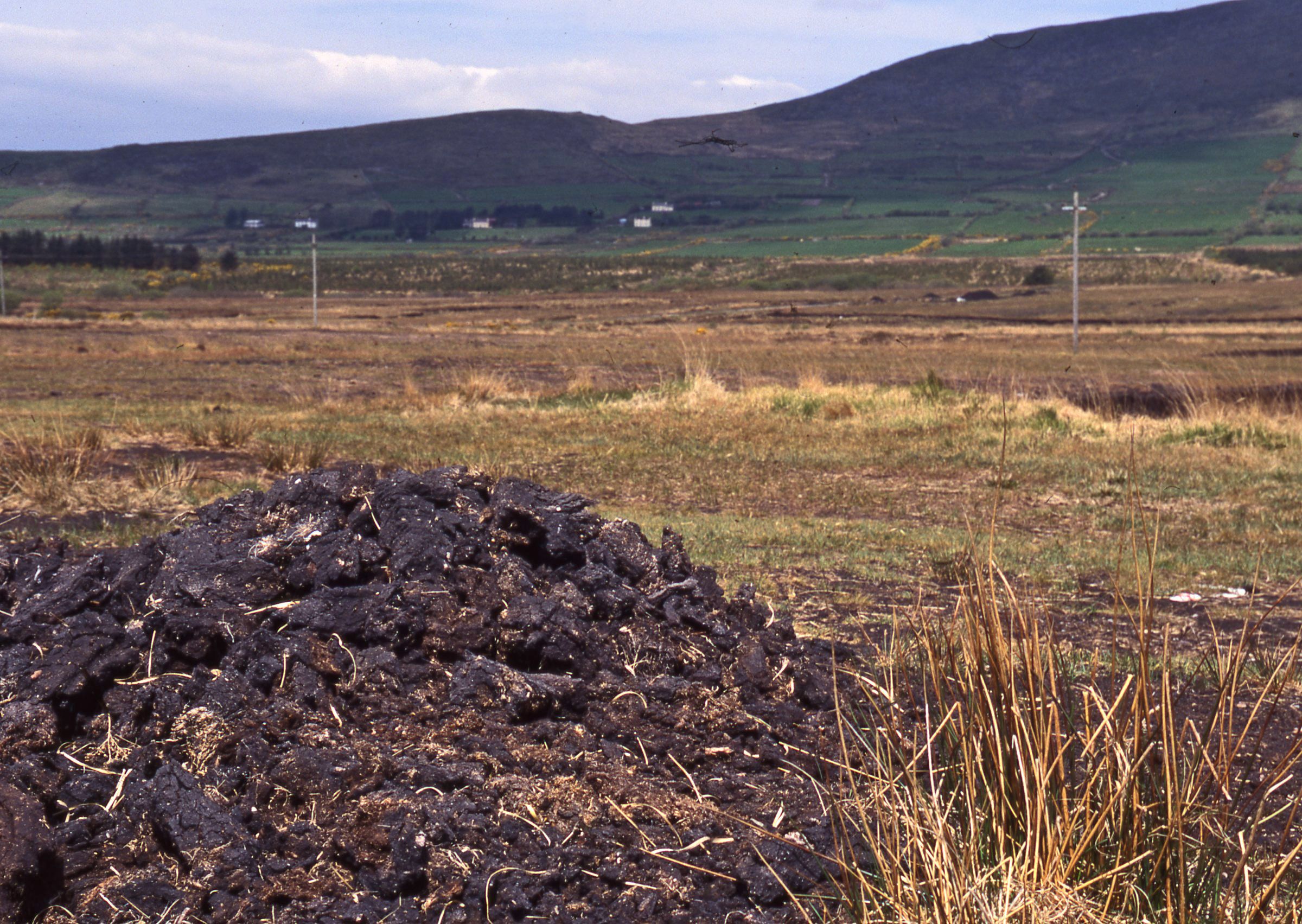
How to tell what kind of damage you’re dealing with (without fancy gear)
A spade will tell you more than most apps.
Take a spadeful from a representative spot and look closely:
- Flat, stacked layers mean restricted drainage.
- Shiny or smeared faces mean traffic at the wrong moisture.
- Roots turning sideways instead of down are a red flag.
- Grey patches or a sour smell point to prolonged lack of oxygen.
If the damage is mostly in the top few centimetres, recovery can be fairly quick if you stop re-damaging it.
If there’s a tight layer deeper down, you need to tread carefully. Deep compaction is slow and difficult to reverse.
Why headlands and gateways always seem to suffer first
Most soil damage isn’t spread evenly, it’s concentrated where weight and turning combine.
Research has shown that a 120 kW tractor may carry around four tonnes on its rear axle in the field, but that load can rise to eight tonnes on headlands during turning.
In a study across 40 fields, yield reductions on headlands reached:
- 44% in winter wheat,
- 31% in spring barley.
Not all of that was compaction, but it was estimated that around 15% of the yield loss was directly due to compaction alone.
The same principle applies on grassland. The places that break first usually do so for a reason, and they’ll keep breaking unless traffic patterns change.
What actually helps recovery (and what usually doesn’t)
First: stop the damage:
This is the least exciting step, but it delivers the biggest return.
Keep heavy traffic off suspect paddocks until the soil crumbles rather than smears. Avoid repeated runs in the same lines. Accept that one sacrificial area is better than quietly wrecking five paddocks.
In Irish conditions, prevention consistently outperforms cure.
Mechanical aeration: useful, but only when timed right:
Aeration can help, but only when soil is dry enough to fracture properly.
If you go too early and the soil is sticky, you risk smearing the walls of the slots and collapsing pore space further. Given the frost and snow risk this week, the safest approach is to map damage now and wait until soils are consistently workable before intervening.
Don’t ignore fertility while fixing structure:
Structure and fertility are linked. Fix one without the other and progress slows.
A hard figure worth keeping in mind:
- Low fertility (for example P Index 1) is associated with a loss of more than 2.0 tonnes of grass dry matter per hectare per year, valued at around €275 per hectare per year.
Two more useful reference points:
- Building soil phosphorus can take roughly 150 kg P per hectare per index, depending on soil type.
- Around 64% of Irish grassland soils are below the optimum pH of 6.3, meaning lime remains one of the cheapest tools for improving performance where needed.
A realistic plan for the next few weeks
This week (snow and frost):
- Avoid heavy traffic even if ground feels hard.
- Spade-test a few paddocks and mark which are weakest.
- Decide where unavoidable traffic will go.
As soils stabilise:
- Graze the safest paddocks first.
- Protect damaged ones until they pass the spade test.
- Address fertility issues that are holding back recovery.
Conclusion
After a wet winter, the most expensive mistake isn’t doing too little, it’s doing the wrong thing at the wrong time.
This week’s snow and frost, with night-time lows down to about -4°C, are a reminder that Irish ground can mislead. What looks ready often isn’t.
Farmers have always adapted. Right now, adaptation means patience, observation and resisting the urge to rush. Get that right, and the soil will repay you all season.
*By Anne Hayden MSc., Founder, The Informed Farmer Consultancy.