
The Impact of Delayed Treatment Decisions on Agriculture


Introduction
Most treatment delays don’t come from carelessness. They come from experience.
Every farmer has looked at an animal and thought, "I’ll give it a day. Maybe it’s just off, maybe it’ll sort itself out. Livestock dip and recover all the time, and nobody wants to overreact."
But the hard truth is that when the call goes the wrong way, the cost rarely shows up as a dramatic crisis. It shows up as performance that never fully comes back, and that’s where the real damage sits.
The figures behind that damage aren’t guesswork. They’re measured, and they explain why timing matters more than most of us like to admit.
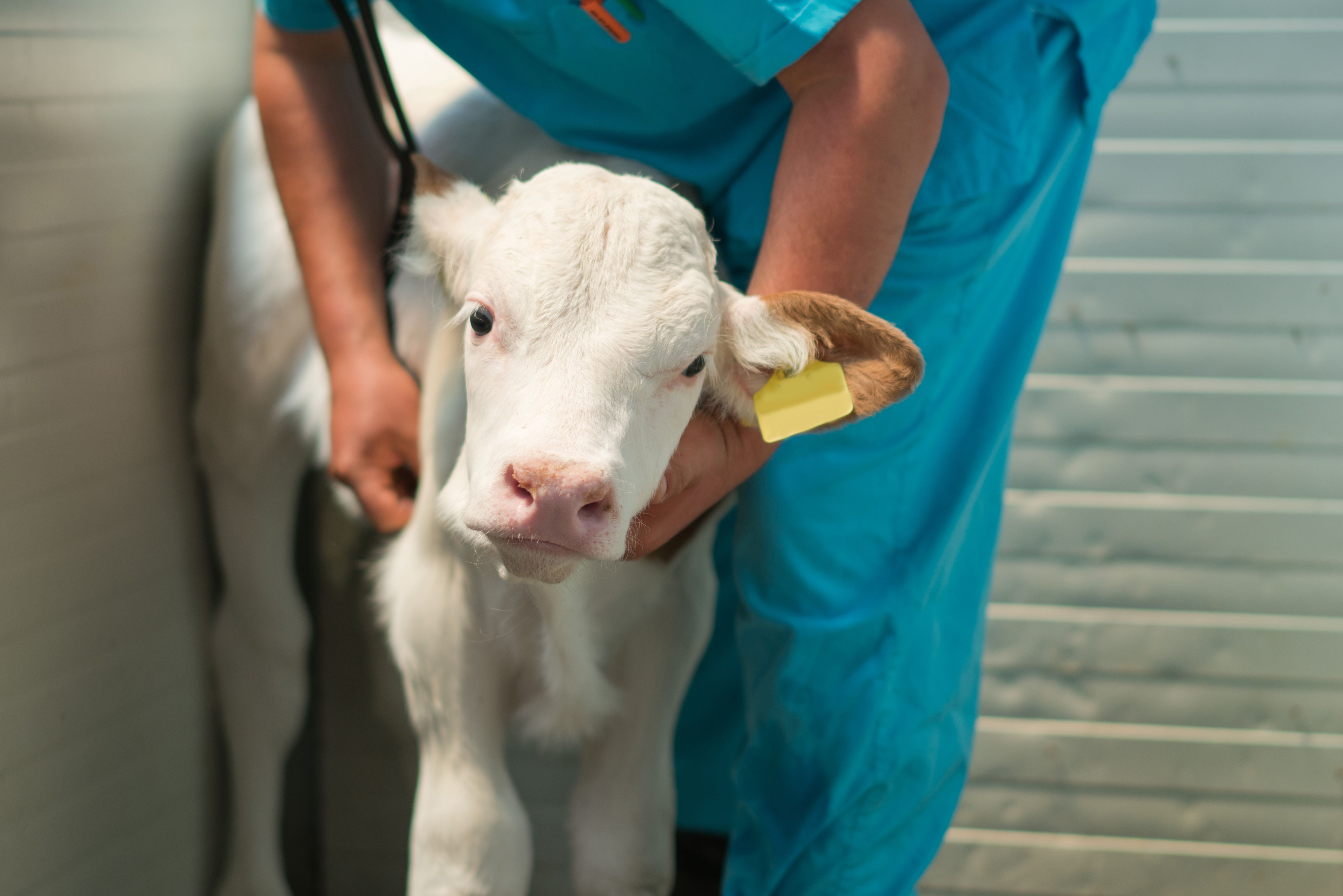
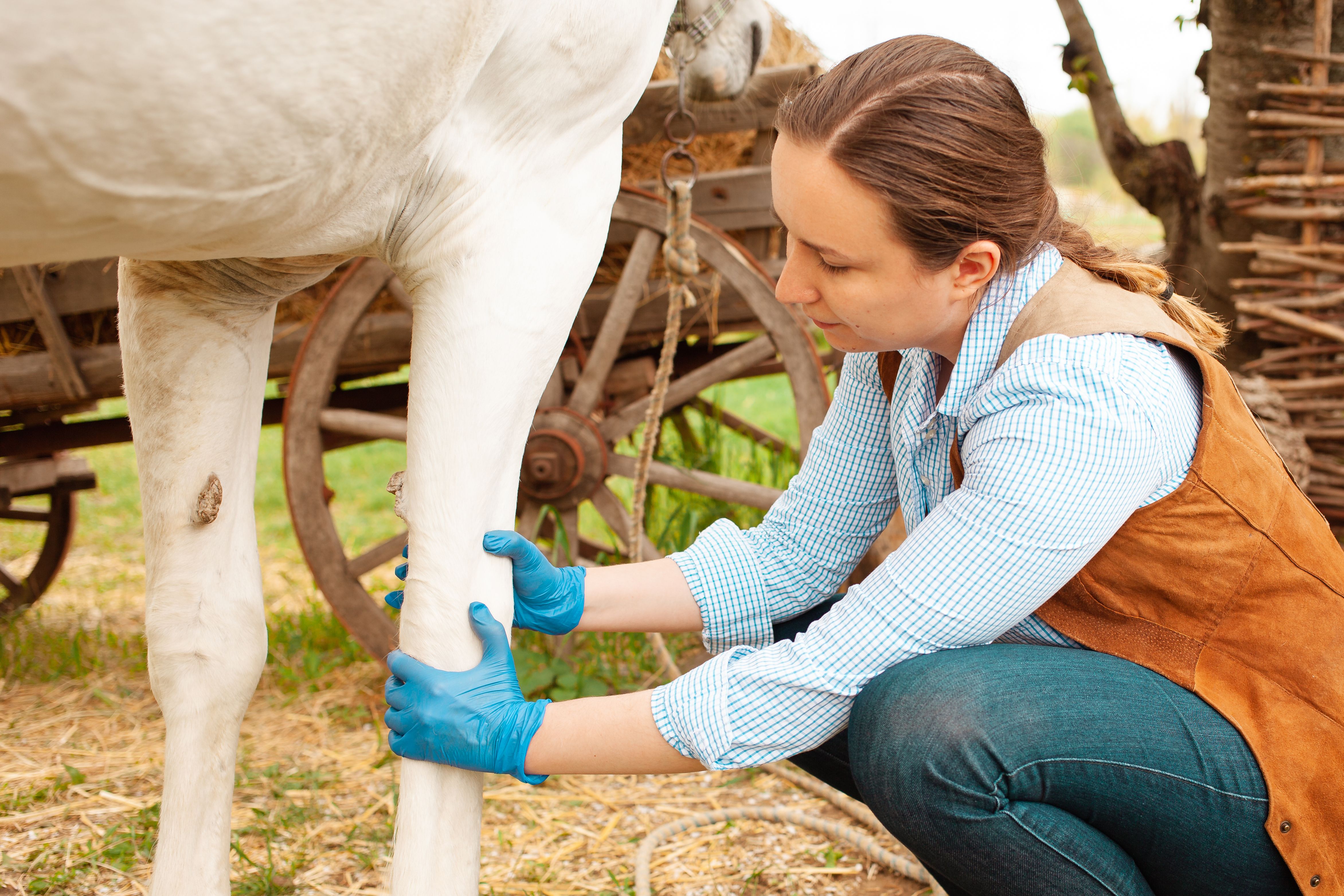
Lameness: the slow leak that drains output
Lameness is one of those problems that can look minor on Monday and expensive by Friday.
Across full-lactation measurements, lame dairy cows are recorded as losing between 270 kg and 574 kg of milk in a single lactation. That’s not a bad week, that’s milk that never appears at all.
There’s also a recognised whole-case cost attached to lameness. When you factor in lost production and fertility effects, the average financial impact is around €300 per case. That number exists because farms repeatedly see the same pattern: animals recover, but performance doesn’t fully rebound.
It isn’t just dairy. In finishing cattle, lameness has been measured to reduce daily liveweight gain by about 240 g per day during the affected period. That might not sound huge in isolation, but over weeks it shifts finishing targets and feed efficiency in a way that’s very hard to claw back.
The mistake isn’t the first limp. It’s letting it drift.
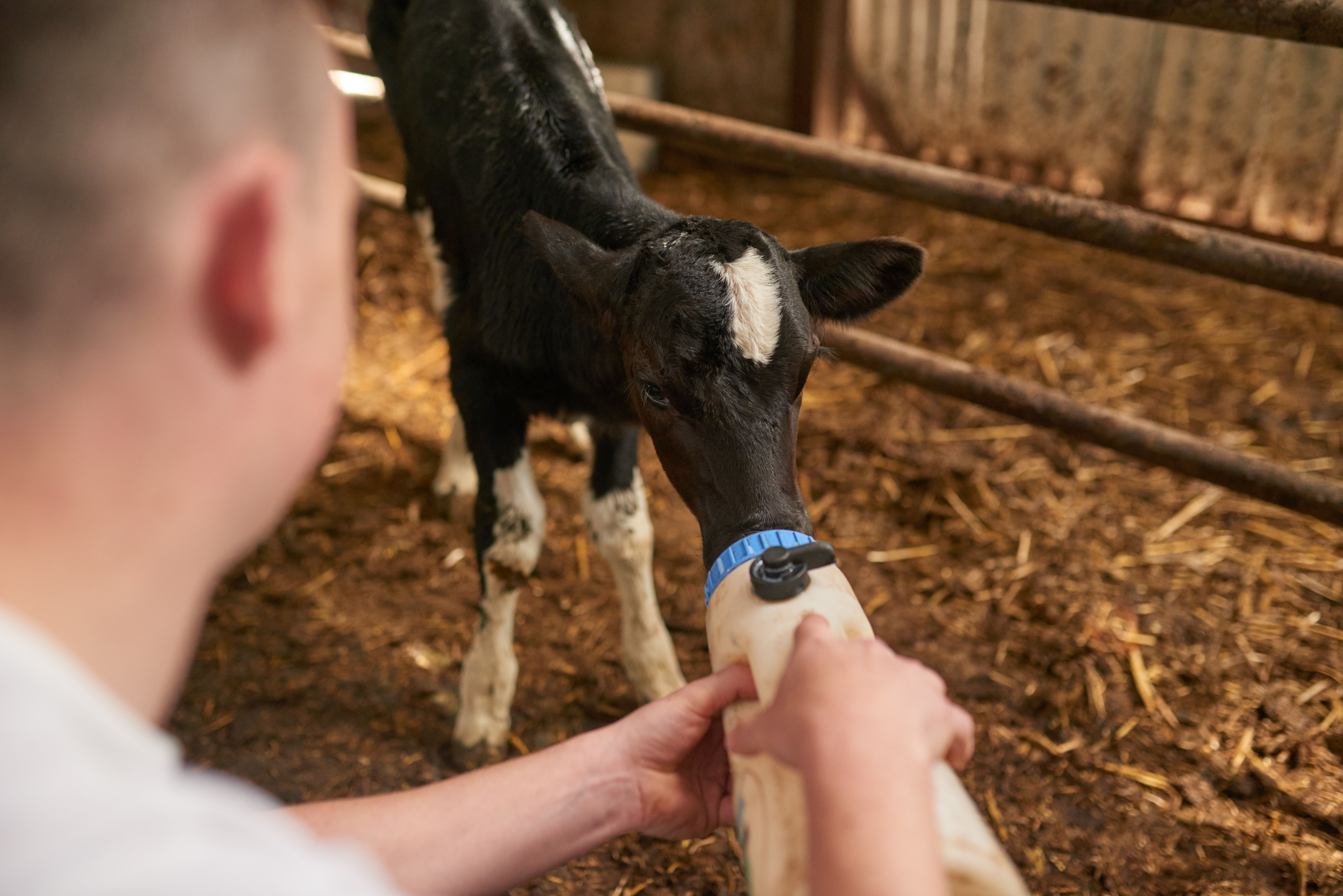
Calf pneumonia: the damage you don’t see straight away
Respiratory disease is where delay becomes expensive in a quieter way.
By the time a calf looks obviously sick, lung damage may already be happening and the numbers attached to that damage are uncomfortable.
Guidance used by vets and advisors consistently points to the same outcome: a beef calf that has had pneumonia can lose 0.2 kg per day in adult liveweight gain and take around 14 days longer to finish.
That’s not just a setback in the moment. It’s a lifetime penalty. More feed, more days on farm, more pressure on housing, and an animal that never quite matches its healthy peers.
What makes pneumonia costly isn’t the treatment, it’s the performance gap that lingers long after the coughing stops.
Fertility: where delays echo into the future
Fertility problems rarely shout, they accumulate.
The recognised €300 per case cost of lameness already includes fertility effects, and that’s not accidental. Animals that struggle with health issues often show it later in cycling, conception and calving patterns.
A cow that looks “fine now” but misses momentum in her system carries that delay forward. And fertility slippage is one of the hardest losses to recover because it affects the entire production cycle.
That’s why delayed treatment decisions don’t stay contained. They ripple outward.
The cost you feel first: time
The financial numbers matter, but most farmers feel the labour cost before they ever calculate the euro figure.
A case handled early is one treatment, one decision, done. A case that drifts becomes:
- Repeat handling.
- Repeat checking.
- Extra separation.
- Extra bedding.
- Extra attention that steals time from everything else.
That time pressure builds quietly. And on farms already running tight schedules, lingering health cases add a mental weight that doesn’t show up on paper but shows up in the week.
What “early” really means
Early doesn’t mean panic, it means recognising when an animal isn’t correcting quickly and deciding not to gamble on time.
The animals that cost the most are rarely the ones that crash dramatically. They’re the ones that hover in that grey area, not sick enough to act on immediately, but never right again afterwards.
And the numbers explain why that grey area is expensive:
- 270–574 kg of milk lost in a lactation from lameness.
- Around €300 per lameness case.
- 240 g/day lost gain in lame finishing cattle.
- 0.2 kg/day lifetime loss after pneumonia,
- 14 extra days to finish.
Those figures don’t come from bad luck. They come from delays that compound.
Conclusion
Delayed treatment decisions rarely feel like mistakes in the moment. They feel like patience, like experience, like giving an animal a chance.
But livestock systems don’t refund lost time. Once performance slips, it doesn’t politely return. That’s why the real cost of delay isn’t dramatic, it’s steady. It’s the quiet erosion of output that adds up across a herd, across a season, across a year.
And more often than not, the cheapest decision on a livestock farm is the one made a day earlier.
*By Anne Hayden MSc., Founder, The Informed Farmer Consultancy.