
The Impact of Farm Size on Irish Tillage Practices


Introduction
There’s a figure doing the rounds in tillage discussions at the moment that quietly explains a lot about how the sector feels right now: around 72% of tillage farms in Ireland operate on less than 30 hectares.
It’s not a statistic that jumps out at first glance, but once you sit with it, it starts to make sense of a lot of everyday realities, tight margins, careful machinery decisions, sensitivity to weather, and why even a half-decent year can still feel like hard work.
Irish tillage isn’t dominated by big arable units. It’s built, for the most part, on small and medium-sized farms and that context matters more than it often gets credit for.
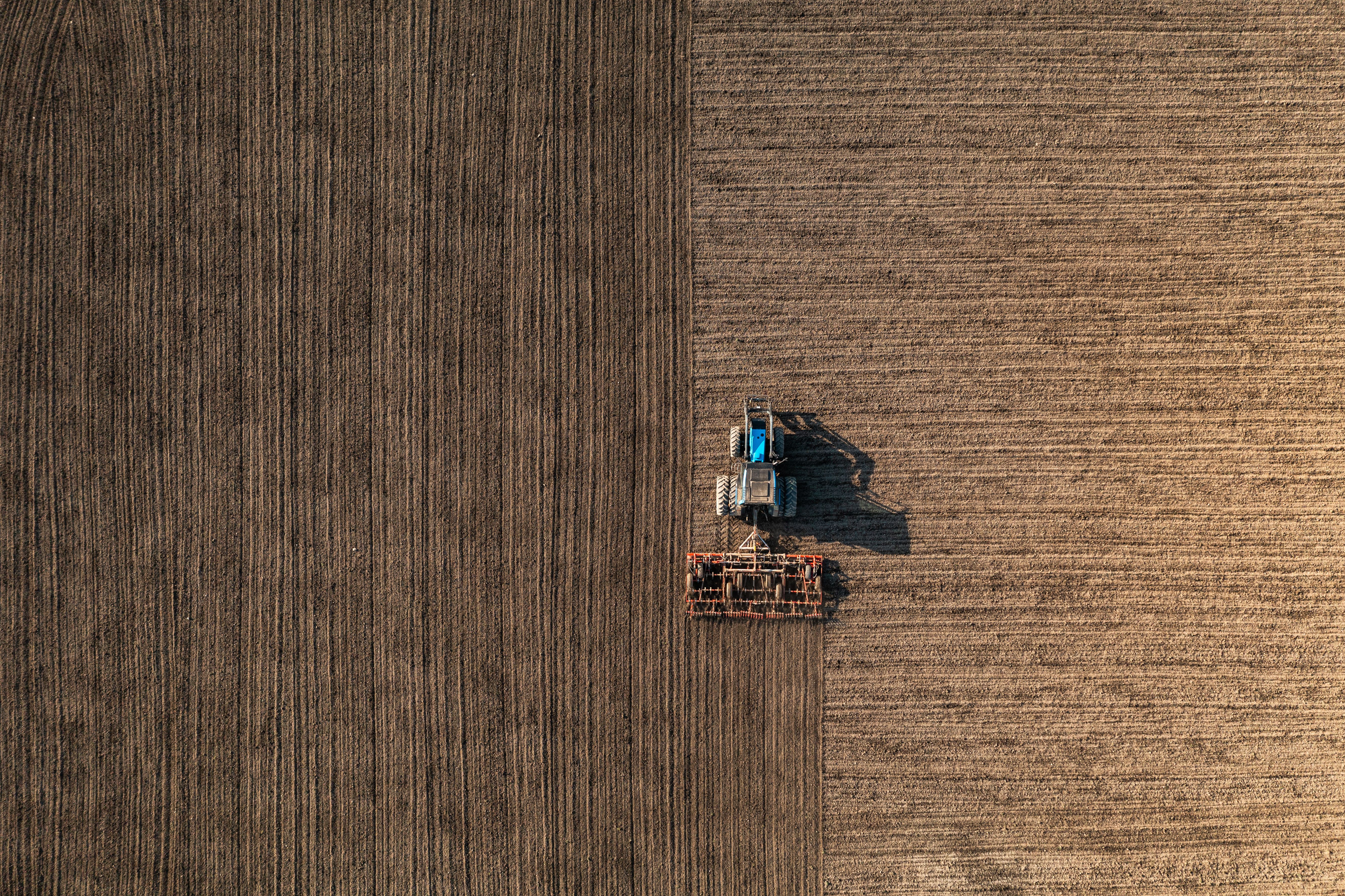
What the Tillage Sector Actually Looks Like on the Ground
In 2024, there were 11,451 farms with tillage crops in Ireland. When you break that down, the shape of the sector becomes very clear:
- 4,498 farms had less than 10 hectares of crops.
- Around 32% were farming between 10 and 30 hectares.
- Only about 5% had between 100 and 250 hectares.
- Just 1% of tillage farms had more than 250 hectares.
So while large arable farms do exist, they’re very much the minority. For most tillage farmers, the reality is a relatively small block of land where every hectare has to work hard.
That scale influences everything from crop choice to risk tolerance.
Scale and Margin: Why Small Area Amplifies Pressure
Margins in tillage have always been volatile, but recent figures really underline how exposed smaller farms can be.
National survey data for 2024 shows that net margins on tillage farms ranged from around –€316 per hectare to +€764 per hectare, depending on performance. More telling still, only 56% of tillage farms recorded a positive net margin, meaning 44% did not fully cover costs once everything was taken into account.
On a large farm, there’s often room to absorb a bad field or a poor crop. On a farm under 30 hectares, there isn’t. When margins swing, they swing across the whole business at once.
A single poor decision, a late sowing, or a weather setback doesn’t affect part of the farm, it affects all of it.
Yield Is Important — But It’s Not the Whole Story
Official figures show that average cereal yields in 2024 were around 7.8 tonnes per hectare, with spring barley performing strongly and winter wheat more variable.
Those are solid yields. But on smaller farms, yield alone doesn’t guarantee security.
With limited hectares:
- Fixed costs bite harder per hectare.
- There’s less scope to spread risk across crops.
- Any dip in yield or price hits a larger proportion of total output.
That’s why many tillage farmers talk less about headline yields and more about consistency. A steady year is often worth more than a brilliant one followed by a poor one.
What the Income Figures Say
Average tillage farm income in 2023 stood at around €21,399. That figure hides a wide range of outcomes, but it gives context to the pressure many farms are under.
On smaller tillage units, that income has to cover:
- Household costs.
- Reinvestment.
- Machinery upkeep.
- Increasingly unpredictable weather-related expenses.
There’s not a lot of slack in that system. When costs rise or output slips, the effect is felt quickly.
Why Machinery and Timing Matter So Much
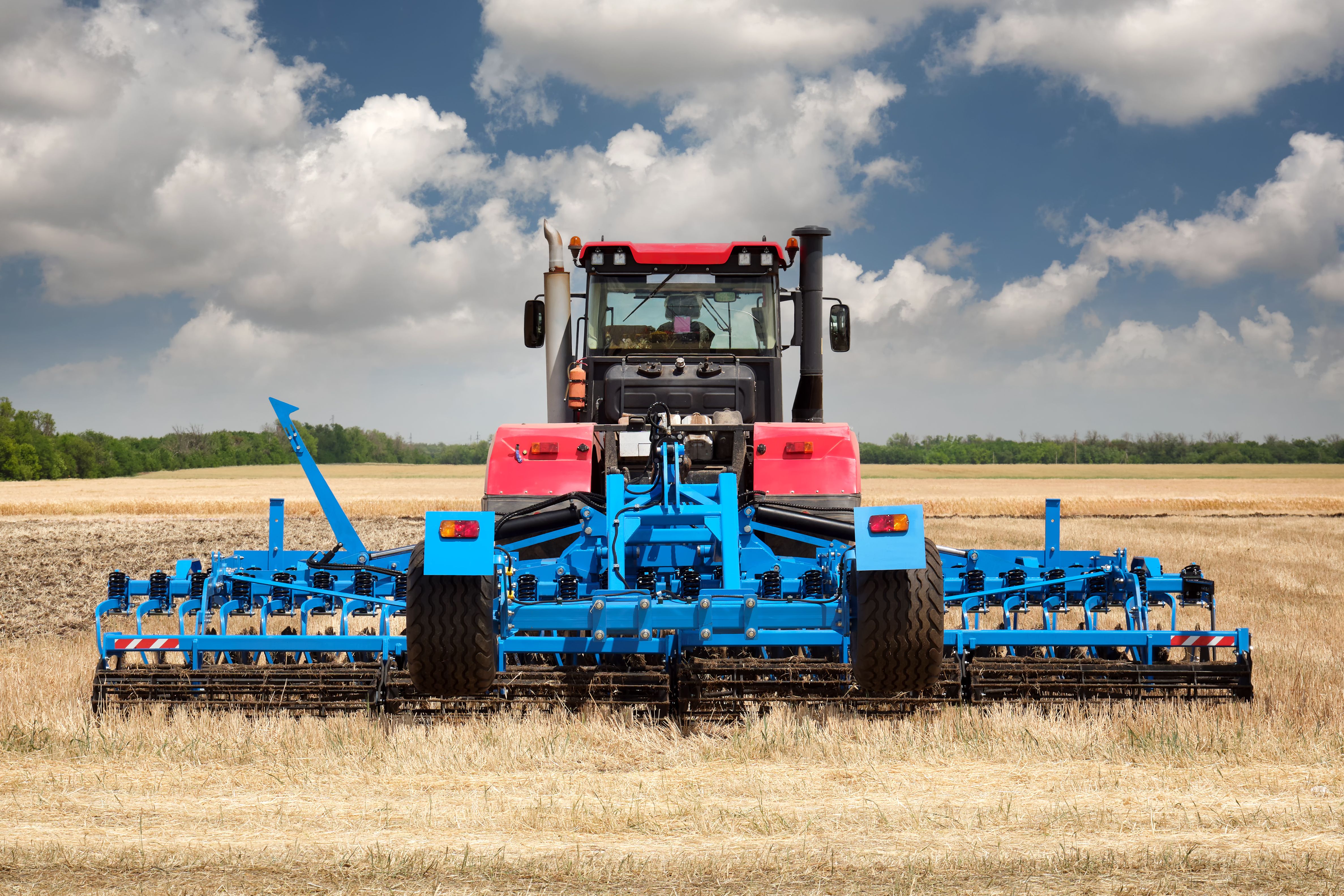
On farms under 30 hectares, machinery decisions are rarely about preference, they’re about necessity.
Owning large equipment is hard to justify, contracting becomes essential. And when you’re dependent on contractors, timing becomes critical.
If weather closes in, there isn’t another block of land to move on to while you wait. Everything depends on the same ground becoming workable again.
That’s why weather windows loom so large in tillage conversations. On smaller farms, missing a window isn’t an inconvenience, it can define the year.
Small Scale Doesn’t Mean Small Skill
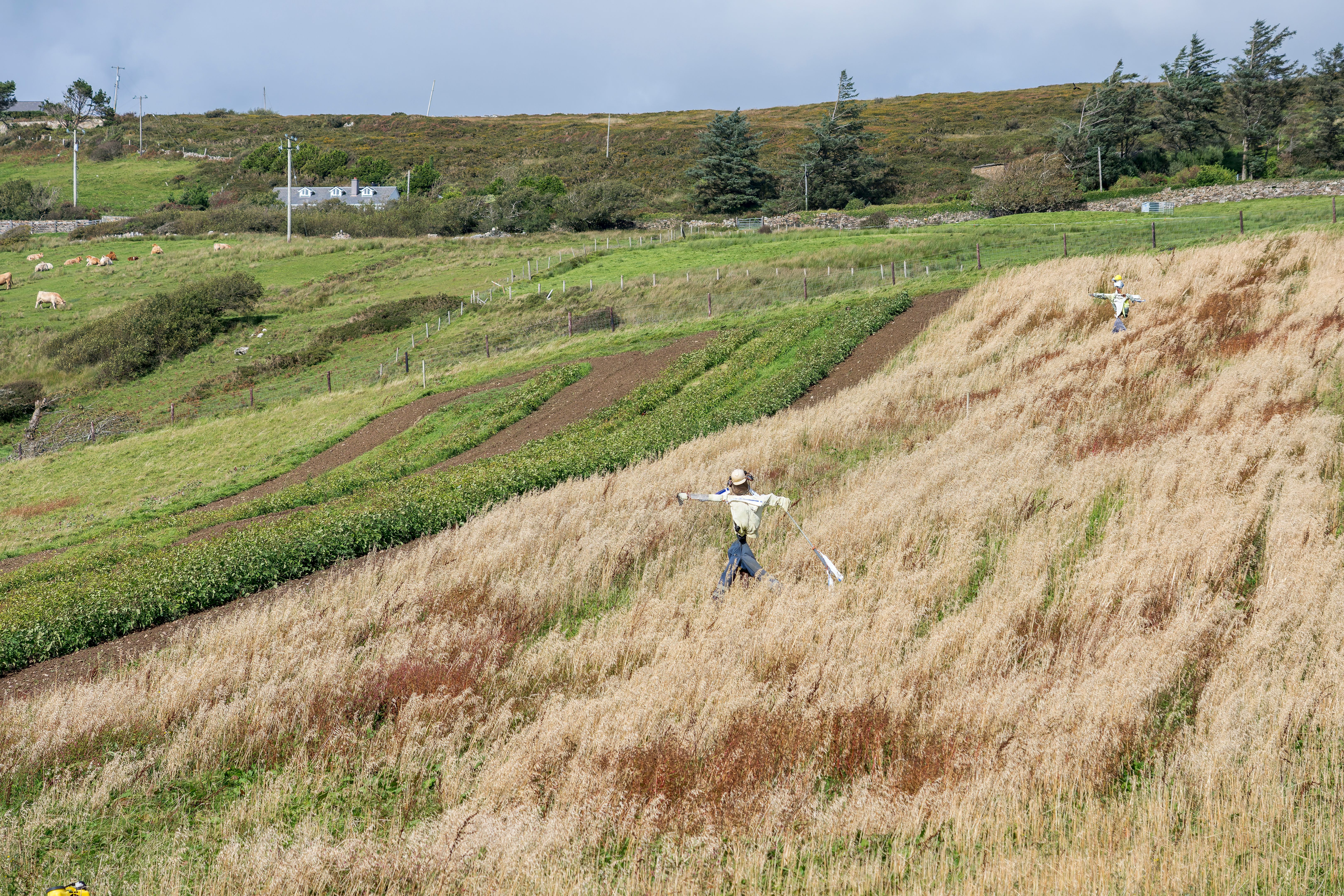
It’s important to say this clearly: small-scale tillage farming is not a sign of inefficiency. Many of the most skilled operators in the sector are working on modest areas, extracting strong performance through attention to detail and careful management.
But when nearly three-quarters of the sector is operating below 30 hectares, risk is concentrated by default. Volatility is magnified, and resilience depends on getting a lot of decisions right, year after year.
That’s not a complaint, it’s a reality.
Conclusion
The fact that around 72% of Irish tillage farms are under 30 hectares isn’t just an interesting data point. It’s a key to understanding the sector as it actually exists.
It explains why weather hits so hard, why margins feel tight even in reasonable years, and why tillage farmers are so focused on efficiency, timing and cost control.
Irish tillage farming isn’t short on expertise or effort. What many farms are short on is scale, and recognising that reality is essential if the sector is to remain viable in an increasingly challenging environment.
*By Anne Hayden MSc., Founder, The Informed Farmer Consultancy.