
The Netherlands' Livestock Cap: Implications for Irish Farmers


Intorduction
The Netherlands has announced one of the most significant agricultural policy reforms seen in Europe in recent years.
As part of a new national strategy to reduce nitrogen pollution, improve water quality and restore protected habitats, the Dutch Government plans to introduce a maximum stocking rate of 2.6 livestock units (LU) per hectare for dairy farms by 2035. The measure forms part of a wider €20 billion package designed to help agriculture adapt while addressing environmental challenges.
Although the proposal is aimed specifically at Dutch agriculture, it is attracting attention across Europe, including in Ireland, where discussions around emissions, water quality and sustainable livestock production continue to gather pace.
For some, the reforms represent a necessary step towards protecting the environment. For others, they raise concerns about farm profitability, food production and the long-term future of family farming.
Why Is the Netherlands Introducing a Livestock Cap?
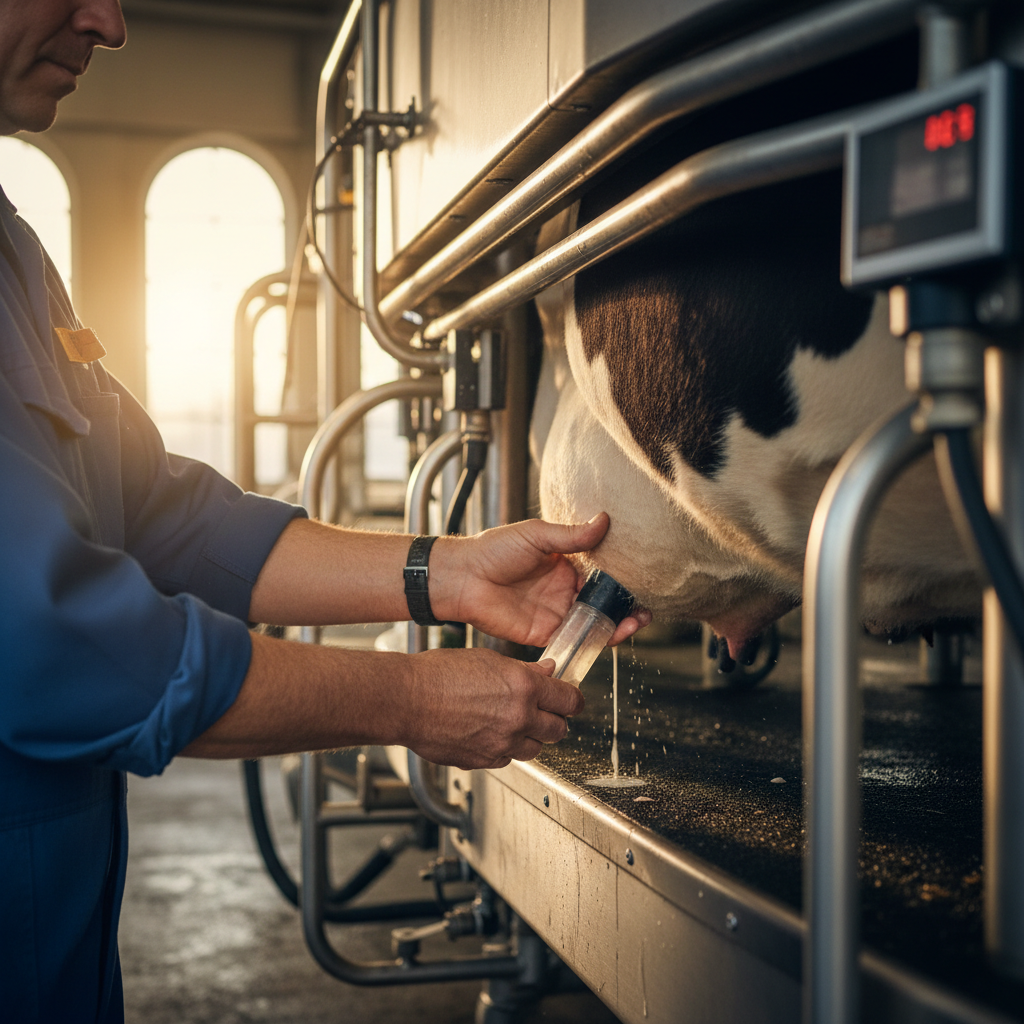
The Netherlands is one of the most intensive agricultural producers in Europe.
Despite its relatively small size, it supports exceptionally high livestock numbers. In 2023, the country had approximately:
- 4 million cattle.
- 11 million pigs.
- 93 million chickens.
Agriculture occupies around 1.8 million hectares, representing approximately 43% of the country's total land area. Around 54% of this agricultural land is permanent grassland, while a further 11% is used for green fodder crops.
The Netherlands also has the highest livestock density in the European Union, with 3.4 livestock units per hectare, compared with the EU average of 0.7 livestock units per hectare.
This remarkable level of productivity has helped make the Netherlands one of the world's leading agricultural exporters. However, it has also created significant environmental pressures, particularly in relation to nitrogen emissions and manure management.
Why Is Nitrogen Such a Major Issue?
Although nitrogen makes up almost 80% of the Earth's atmosphere, the concern is not atmospheric nitrogen itself.
Instead, the focus is on reactive nitrogen compounds, particularly ammonia released from livestock manure and fertiliser use.
When excessive amounts are deposited in sensitive habitats, they can:
- Reduce biodiversity.
- Damage protected ecosystems.
- Affect water quality.
- Alter soil chemistry.
- Make it more difficult for countries to meet environmental obligations.
Provisional figures show that livestock manure produced approximately 440 million kilograms of nitrogen in the Netherlands during 2025, meeting the country's national nitrogen ceiling for the first time.
However, phosphate production remained above its legal ceiling, highlighting the continuing environmental challenges facing Dutch agriculture.
What Does the New Policy Mean?
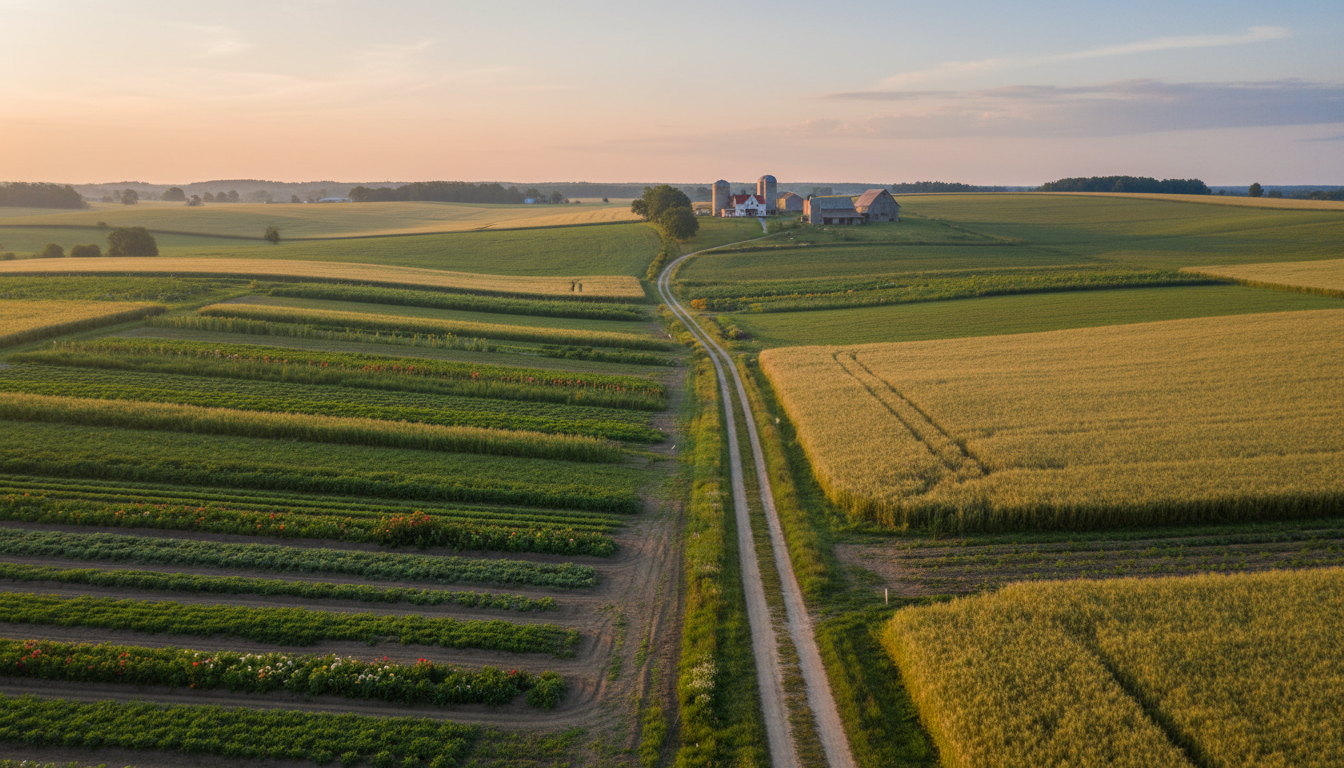
The proposed 2.6 LU per hectare limit is intended to make dairy farming more land-based.
Rather than prescribing one solution, the Dutch Government says farmers will be able to choose how they meet the new standards.
Possible options include:
- Improving feed efficiency.
- Investing in lower-emission livestock housing.
- Better manure management.
- Operating more extensive farming systems.
- Voluntary business restructuring where appropriate.
- To help farmers adapt, approximately €2 billion has been allocated specifically to support changes at farm level.
The wider package also includes:
- €2.2 billion for nature restoration.
- €250 million for nitrogen reduction measures in industry and transport.
- A target to reduce nitrogen emissions from industry and transport by 50% by 2035.
- Measures designed to encourage greater uptake of organic farming.
The overall aim is to improve environmental outcomes while allowing farmers greater flexibility in deciding how best to achieve them.
The Environmental Benefits
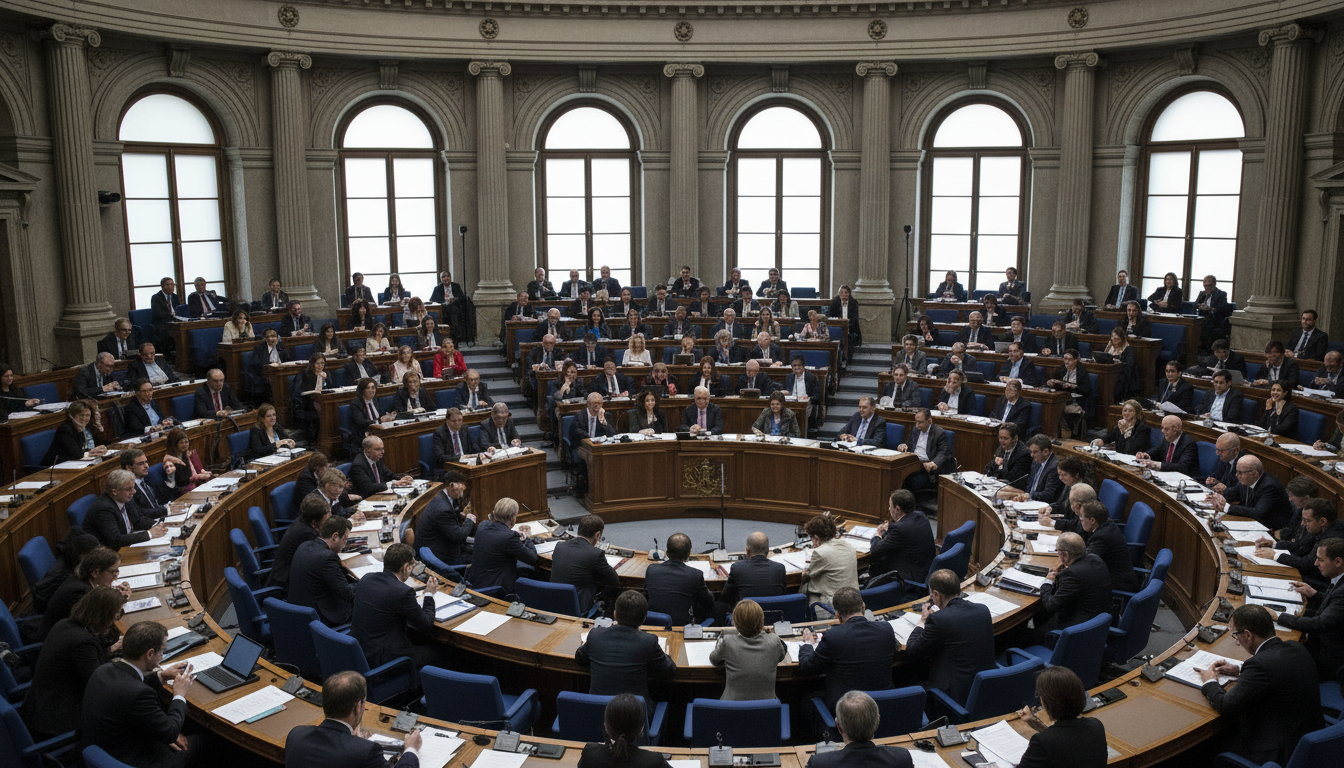
Supporters argue that the reforms are necessary if the Netherlands is to meet its environmental obligations.
Lower stocking densities could help to:
- Reduce ammonia emissions.
- Improve water quality.
- Reduce pressure on protected habitats.
- Improve biodiversity.
- Better match livestock numbers to the amount of land available.
Supporters also point out that solving the country's nitrogen problem is important not only for agriculture, but also for housing, infrastructure and economic development, all of which have been affected by environmental restrictions linked to nitrogen pollution.
Farmers' Concerns
While many farmers recognise the importance of protecting the environment, there are understandable concerns about how the changes could affect individual farm businesses.
For farms operating above the proposed stocking limit, possible options include:
- Reducing herd numbers.
- Purchasing or renting additional land.
- Investing in new technologies.
- Changing production systems.
- In some cases, leaving the sector altogether.
- For many farm families, these are not straightforward decisions.
Over recent decades, significant investments have been made in livestock housing, milking parlours, genetics, slurry storage and machinery. Many businesses have expanded based on previous policy frameworks, and sudden regulatory changes can create uncertainty around future profitability and long-term investment.
There are also concerns about succession, with younger generations potentially becoming less willing to take over farms if future policy remains uncertain.
Could This Affect Food Production?
Another concern is what happens if livestock production simply moves elsewhere.
Many farming organisations argue that reducing production in one country does not necessarily reduce global demand for milk or meat.
Instead, production may shift to countries with different environmental standards, potentially reducing domestic food production without delivering the same environmental benefits globally.
Others argue that environmental improvements are essential regardless of where food is produced and that agriculture must play its part in protecting biodiversity and improving water quality.
Finding the right balance between environmental protection and food production remains one of the biggest challenges facing policymakers.
What Could This Mean for Ireland?
Ireland's farming system differs significantly from that of the Netherlands.
Irish livestock farming is predominantly grass-based and generally operates at lower stocking densities than Dutch agriculture.
Nevertheless, both countries face increasing pressure to improve:
- Water quality.
- Nutrient management.
- Ammonia emissions.
- Biodiversity.
- Climate performance.
There are currently no proposals to introduce a Dutch-style national stocking cap in Ireland.
However, discussions surrounding agricultural emissions, the future of the Nitrates Derogation and environmental regulation suggest that land use and environmental performance will continue to play an increasingly important role in agricultural policy.
For Irish farmers, the Dutch experience offers an insight into the direction in which European agricultural policy may continue to evolve.
Finding the Right Balance
Perhaps the biggest lesson from the Dutch reforms is that the future of European agriculture is no longer judged solely on how much food it produces.
Farmers are increasingly expected to:
- Produce high-quality food.
- Reduce environmental impacts.
- Improve water quality.
- Protect biodiversity.
- Reduce emissions.
- Remain economically viable.
Meeting all of these objectives simultaneously is a significant challenge.
Supporters believe the Dutch package strikes a balance by combining stricter environmental standards with substantial financial support.
Many farmers, however, argue that any transition must be realistic, properly funded and recognise the investments already made by farm businesses.
Ultimately, achieving lasting change will require cooperation between governments, scientists, environmental organisations and farmers themselves.
Conclusion
The Netherlands' proposed 2.6 livestock unit per hectare limit represents one of the most significant agricultural policy developments in Europe in recent years.
For environmental groups, it is an important step towards improving biodiversity, water quality and reducing nitrogen pollution. For many farmers, it raises understandable concerns about profitability, investment, food production and the future of family farming. For Ireland, the proposal is less about whether the same measures will be introduced here and more about recognising the wider direction of European agricultural policy.
The challenge for every country will be the same: finding a way to protect the environment while ensuring farming remains productive, profitable and capable of feeding future generations.
*By Anne Hayden MSc., Founder, The Informed Farmer Consultancy.