
The Rise of Solar PV in Ireland: A Look at 2025


Introduction
For a long time, solar panels in Ireland were talked about as something that might make sense eventually. A good idea, a future option, something worth keeping an eye on.
By the end of 2025, that conversation had clearly moved on.
The numbers alone tell you that solar is no longer hovering on the edges. It’s become a mainstream decision for thousands of households, and increasingly, something farms and rural businesses are taking seriously too.
The Numbers That Matter — and They’re Hard to Ignore
Let’s start with what actually happened in 2025:
- 34,088 households installed solar panels with grant support.
- 33,048 Solar PV Scheme grants were awarded, the highest annual total ever recorded.
- That represented a 16% increase on 2024, and a 49% rise compared with 2023.
- To ground that comparison: 29,151 grant-assisted installations were recorded in 2024.
That’s not incremental growth, that’s acceleration.
What’s also telling is where it happened. Twenty-one counties exceeded their 2024 installation numbers, showing this wasn’t confined to cities or commuter belts.
In Clare, Kerry, Waterford, Mayo and Wexford, more than 1,000 households availed of the scheme in 2025 alone.
Why People Are Actually Going Ahead With It
Solar uptake doesn’t surge like this unless a few things line up at the same time.
The Grant Stayed Put
The domestic Solar PV grant remains capped at €1,800, and that level of support has been confirmed to continue into 2026. That certainty matters more than people sometimes realise.
The structure itself is straightforward:
- €700 per kWp for the first 2kWp.
- €200 per kWp for the next 2kWp,
- Up to the €1,800 maximum.
People understand it. Installers understand it. And when support is predictable, decisions stop being endlessly delayed.
Energy Costs Changed the Mindset
Even though prices have eased from their peaks, the last few years have changed how people think about electricity. Volatility has a habit of sticking in the memory.
For many households, and especially farms, solar isn’t about being “green first”. It’s about having some control over energy costs and not being entirely exposed to whatever comes next.
Why Farms Are a Different Conversation Altogether
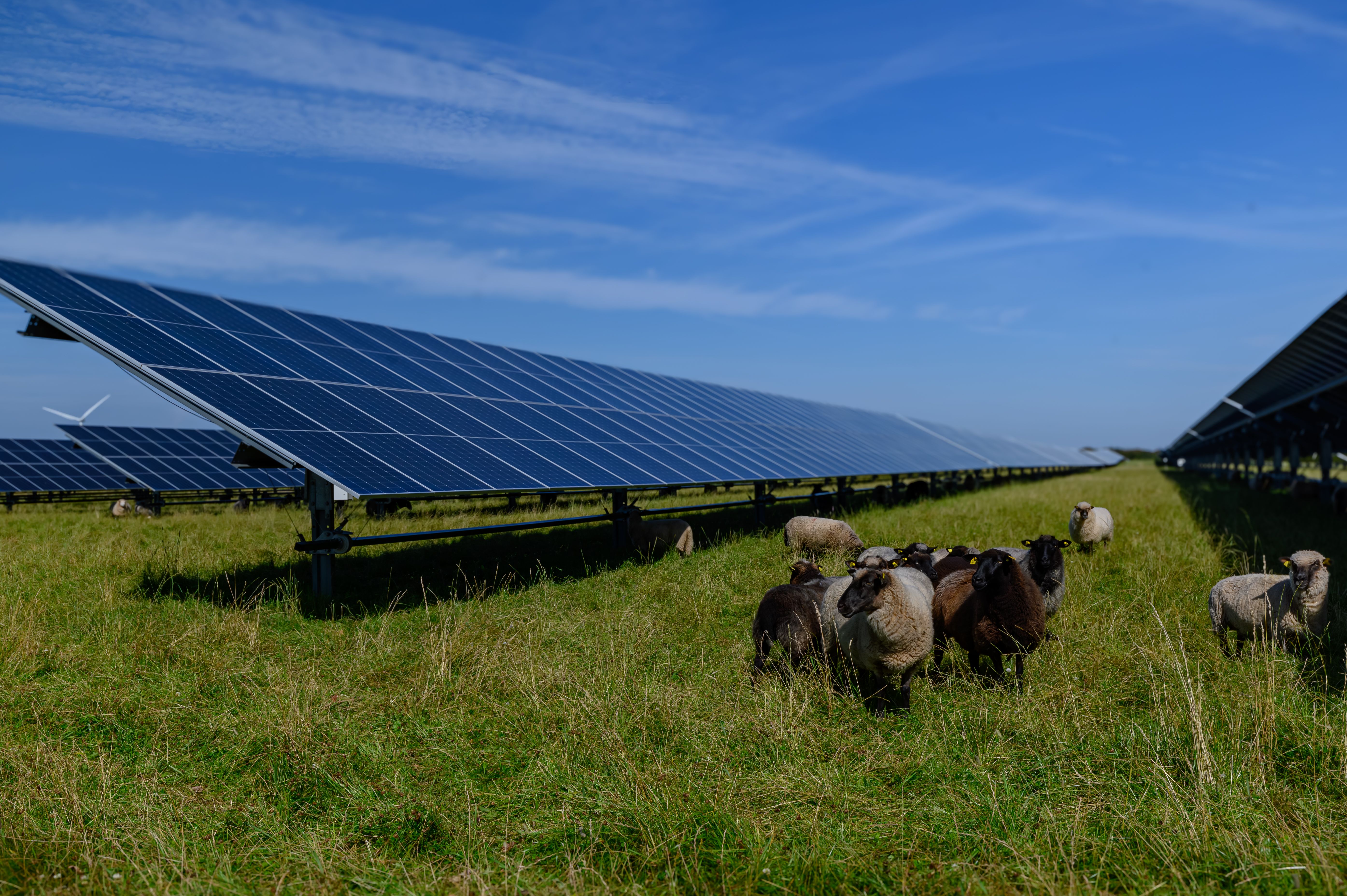
A lot of the headline figures are framed around homes, but farms are operating under a different scheme, and at a very different scale.
Under the Non-Domestic Microgen Grant, the hard facts are:
- The scheme supports businesses and agricultural enterprises.
- Solar PV installations are eligible up to 1000kWp (1MWp).
- The maximum grant available is €162,600.
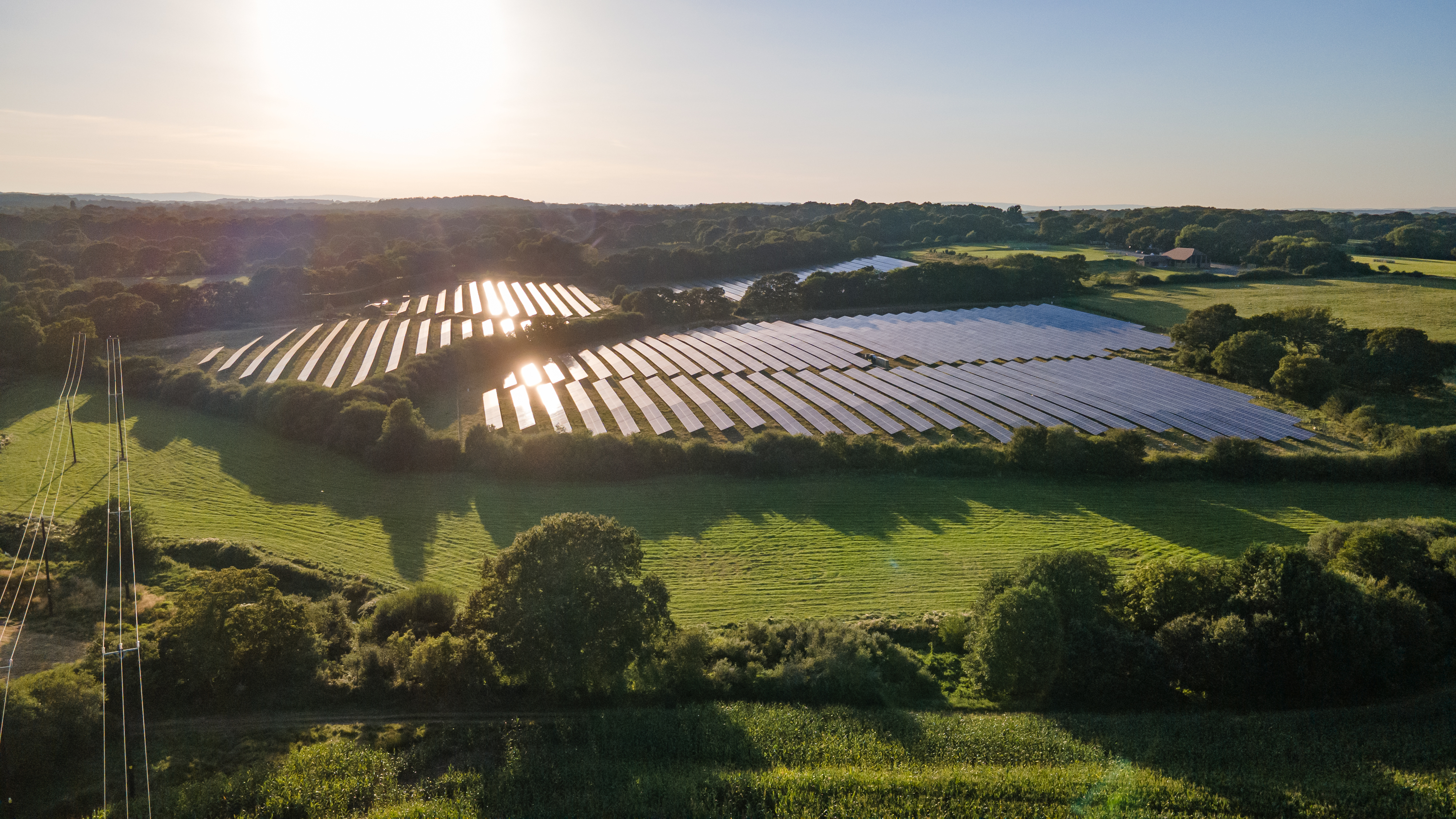
That’s a world away from domestic rooftop systems. It’s why solar on farms isn’t just about shaving a bill anymore, it’s about infrastructure, long-term planning, and how energy fits into the farm business as a whole.
What 2025 Really Tells Us
The value of the 2025 figures isn’t just in how big they are. It’s in what they confirm.
They show that:
- Solar PV is no longer niche in Ireland.
- Uptake is happening across a wide spread of counties, not just in urban areas.
- Domestic grant support remains stable at €1,800 into 2026, with a clear kWp-based structure.
- Farms considering larger systems can access non-domestic support up to 1000kWp, with grants up to €162,600.
In other words, the “does this work in Ireland?” phase is over. The country has already answered that question with 33,048 grants in one year.
Where This Leaves Farmers
For farmers looking at solar now, the decision isn’t about whether it’s a fad. The numbers make it clear it’s not.
The more useful questions are:
- Where does electricity get used most on the farm?
- Does usage line up with daylight hours?
- And what scale actually makes sense; domestic-sized, or something much bigger?
Those are practical questions, not ideological ones. And they’re the kind of questions farmers are already used to asking when it comes to machinery, sheds or drainage.
Conclusion
When 34,088 households install solar panels with grant support in a single year, and 33,048 grants are awarded across 21 counties, something has shifted.
Solar PV isn’t being tested anymore. It’s being adopted, steadily, widely, and with increasing confidence. For farms, the presence of a non-domestic scheme supporting systems up to 1000kWp and €162,600 changes the scale of what’s possible entirely.
2025 didn’t just set a record. It marked the point where solar stopped being a future option and became part of how people are already managing energy in Ireland. And based on the figures alone, that momentum looks set to continue.
*By Anne Hayden MSc., Founder, The Informed Farmer Consultancy.