
Understanding Bluetongue: Implications for Farmers in Northern Ireland and Beyond


Introduction
The recent detection of bluetongue in Northern Ireland has brought a long-recognised European livestock disease uncomfortably close to home. While the Republic of Ireland remains free of confirmed cases, the presence of the virus just across the border means every Irish livestock farmer now needs to be alert, informed and prepared.
This is not a crisis, but it is an early-warning phase. What happens in the coming months will matter.
What Bluetongue Is — In Clear Terms
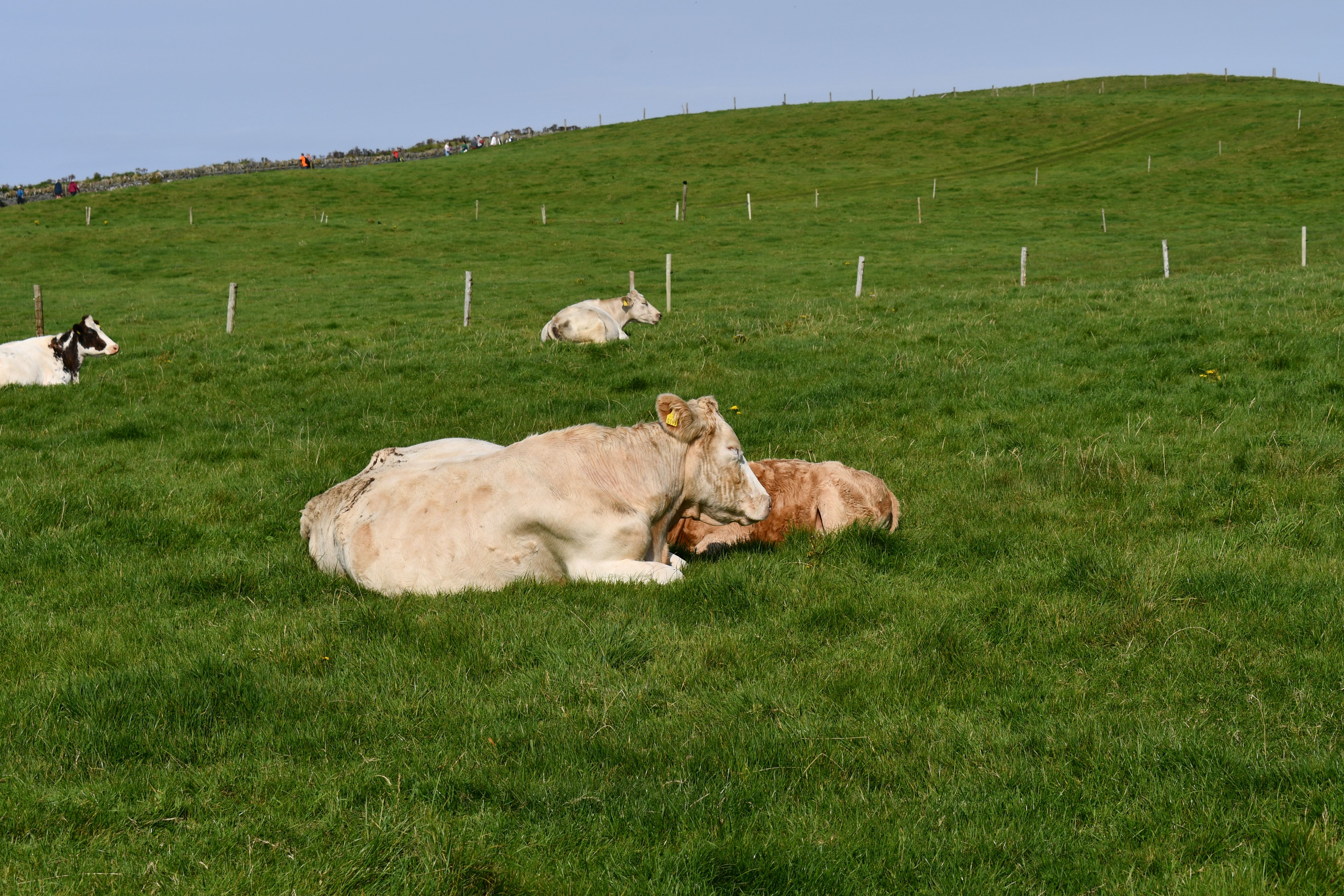
Bluetongue is a viral disease of ruminants, mainly affecting sheep and cattle, but also goats, deer and camelids. It is spread only by biting midges. It does not spread through direct animal contact, shared equipment, or normal farm handling.
Three essential facts every farmer should know:
- Bluetongue does not infect humans.
- It does not affect food safety.
- It relies entirely on midges for transmission.
More than 25 different strains (serotypes) of the virus are recognised worldwide. The strain detected in Northern Ireland is BTV-3, which has caused outbreaks in several European countries over the past two years.
Because midges are responsible for spread, bluetongue is strongly seasonal. In temperate climates like Ireland, transmission risk rises during late spring through early autumn, when midge activity is highest. Cold winter conditions, as we have now, significantly slow spread but do not eliminate the risk entirely.
What the Disease Looks Like on Farm
Bluetongue affects different species in very different ways.
Sheep
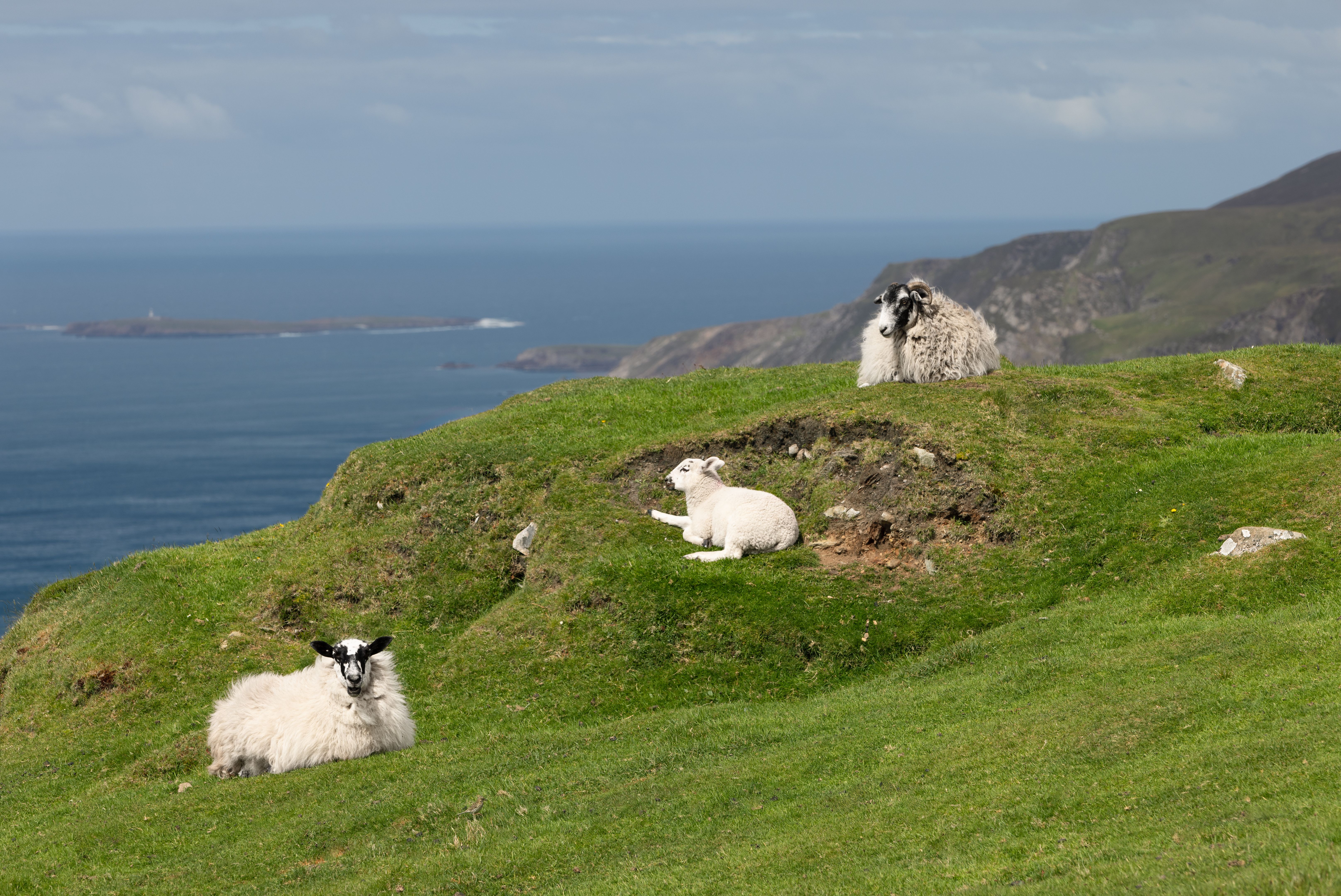
Sheep are the most clinically affected species. Once infected, signs usually develop within 5–20 days. Typical symptoms include:
- Fever.
- Heavy drooling and nasal discharge.
- Swollen lips, face or tongue.
- Mouth ulcers that interfere with feeding.
- Lameness due to inflammation around the hooves.
- Abortions or weak lambs in pregnant ewes
In severe outbreaks elsewhere in Europe, sheep mortality has reached very high levels in some naïve flocks, while in other outbreaks mortality has remained low. The important point is not the exact percentage, it is that losses can be significant, sudden and unpredictable, especially where animals have no prior exposure.
Even where sheep survive, long-term problems with fertility, teeth, feet and growth are well recognised following infection.
Cattle
Cattle usually show milder disease:
- Temporary fever.
- Drop in milk yield.
- Lameness.
- Reduced fertility.
Many cattle show no obvious symptoms at all, yet they can still carry the virus in their bloodstream for several weeks, during which time biting midges can spread infection to other animals. This is why cattle play a major role in silent transmission.
What Has Happened in Northern Ireland
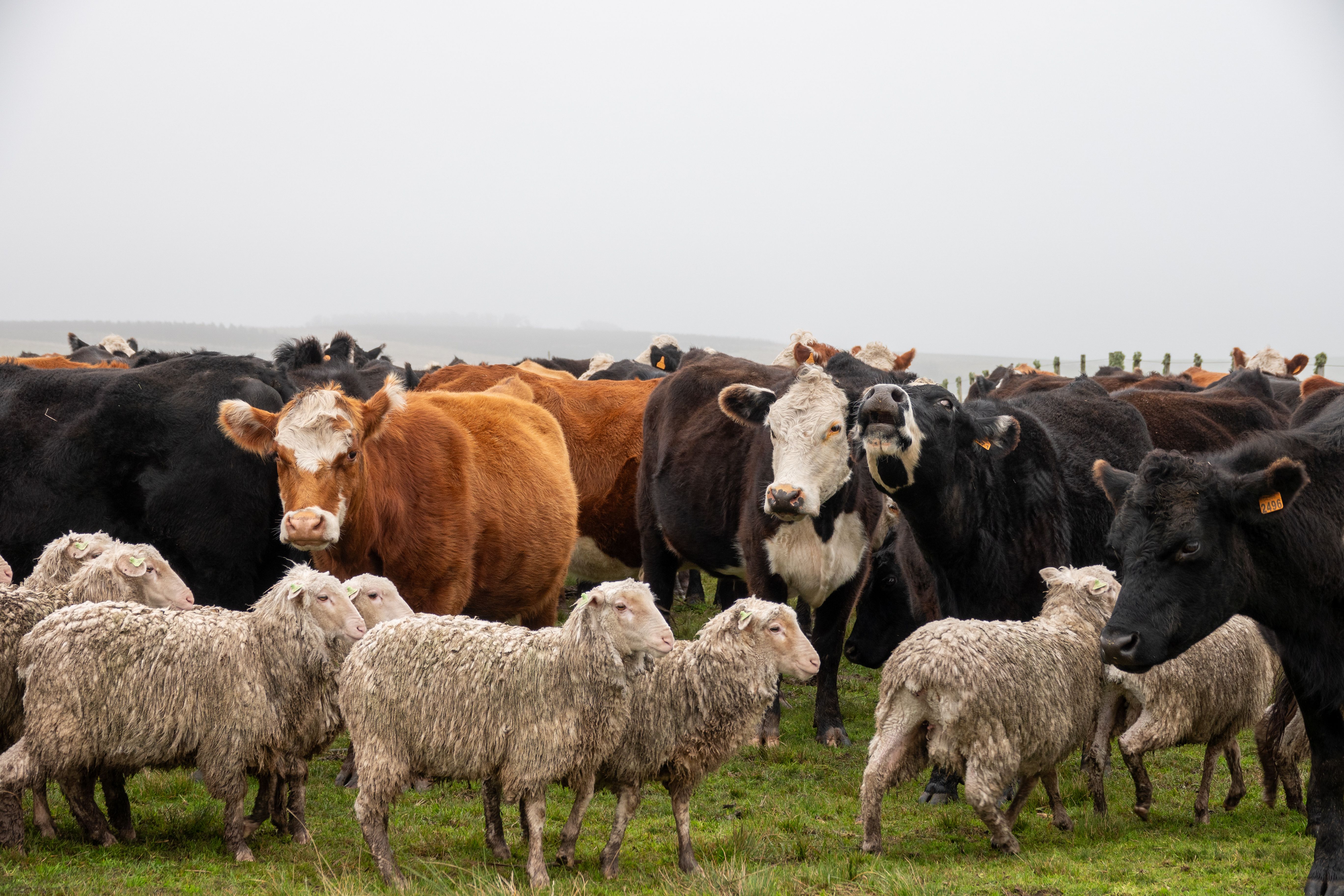
Bluetongue was detected through routine disease surveillance in cattle in County Down in late 2025. As soon as detection occurred:
- A 20 km Temporary Control Zone was established.
- Movements of cattle, sheep, goats and camelids into and out of this zone were restricted.
- Only animals moving directly to slaughter under licence were permitted to travel.
- Enhanced blood testing and veterinary surveillance were implemented on surrounding farms
This response reflects standard European disease-control practice and is designed to prevent wider spread ahead of the next peak midge season.
Why This Matters for Farmers in the Republic
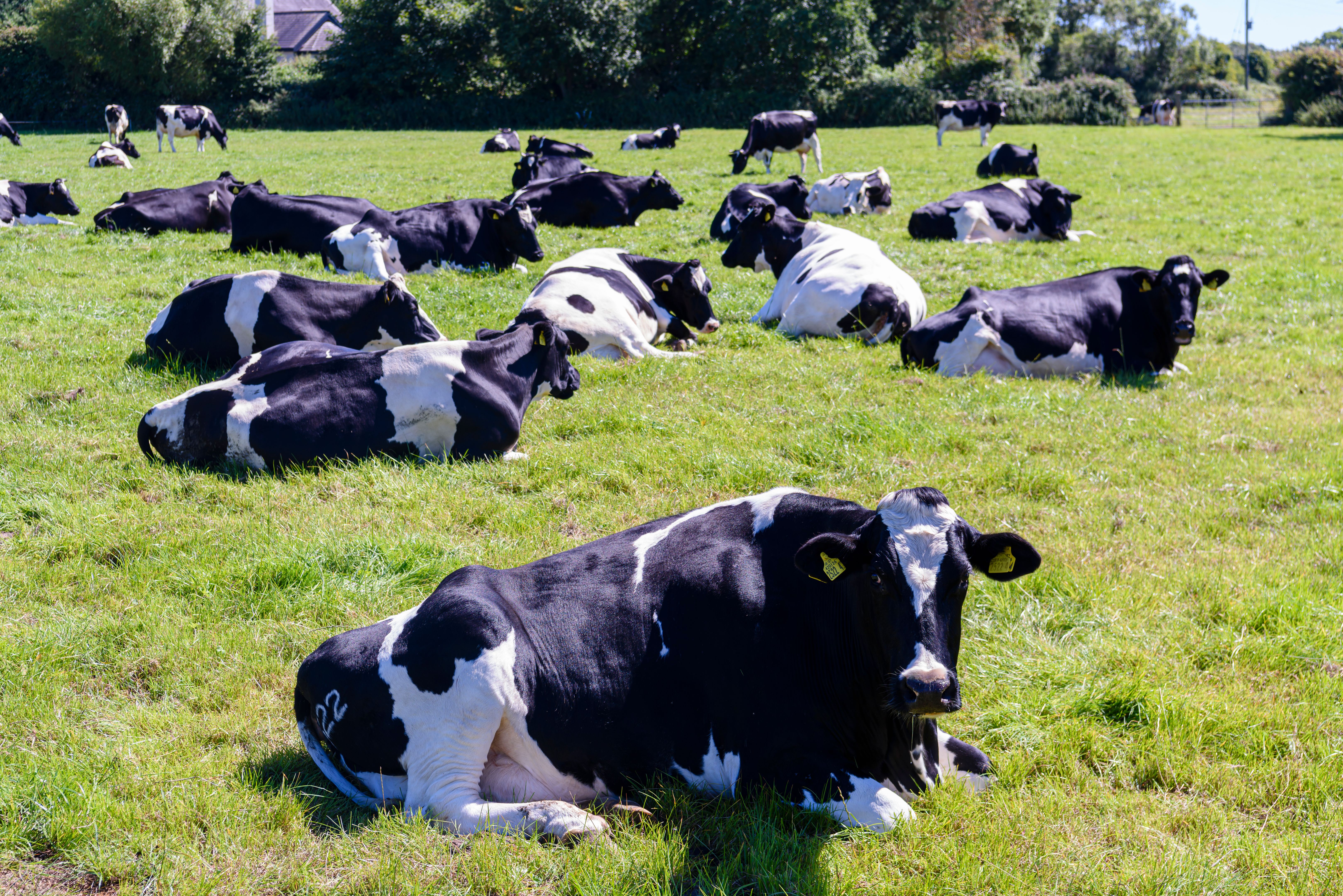
Ireland has never had a confirmed case of bluetongue. That disease-free status protects:
- Livestock movements.
- Breeding programmes.
- Export markets.
- Farm-level animal health.
If the virus were to establish in the Republic, it would be expected to trigger:
- Movement restrictions during periods of active transmission.
- Increased testing and veterinary intervention.
- Greater management pressure on sheep enterprises in particular.
- Additional costs associated with control and monitoring.
Once bluetongue becomes established in a country, eradication is extremely difficult, and most control systems shift from prevention to long-term management.
What Farmers Should Be Doing Now
At this stage, the most important actions are vigilance and fast reporting.
Farmers should:
- Observe stock closely and regularly, especially sheep and vontact their private vet immediately if they see:
- Unexplained lameness.
- Mouth lesions or swelling of the face.
- Fever.
- Abortions or weak newborns.
- Sudden drop in milk yield.
- Avoid unnecessary livestock movements.
- Be cautious with newly purchased animals and monitor closely for at least two to three weeks
Practical steps that help reduce exposure include:
- Limiting standing water where midges breed.
- Housing vulnerable stock during peak dusk and dawn midge activity where feasible.
- Following veterinary advice on insect control.
- Maintaining strong general hygiene around yards and handling facilities
Early detection is the single most effective tool available in preventing wider spread.
A Wider Pattern Emerging
Bluetongue is part of a broader shift in livestock disease risk across Europe. As average temperatures rise and winters become milder, insect-borne diseases are moving into areas that were previously low-risk.
For Irish farming, this means:
- Disease surveillance is becoming more important, not less.
- Biosecurity is now a core business protection measure.
- Climate-linked disease risk is no longer theoretical, it is already reshaping farming systems elsewhere in Europe.
Conclusion
Bluetongue does not threaten human health and it does not compromise food safety. But it does threaten animal welfare, farm performance and Ireland’s disease-free trading position.
Northern Ireland’s recent detection is a warning, not a prediction. With steady vigilance, early reporting and sensible movement decisions, Ireland still has a very real opportunity to keep bluetongue from becoming established.
Right now, attention and calm, practical action will protect far more than alarm ever could.
*By Anne Hayden MSc., Founder, The Informed Farmer Consultancy.