
Understanding Ireland's Habitat Crisis and Its Impact on the Countryside


Introduction
Every so often, a report comes along that forces you to pause and look at the countryside with fresh eyes. The latest national assessment on Ireland’s protected habitats is one of those. Many of us who spend time around fields, bogs, rivers or woodland edges have sensed for a while that nature isn’t quite as robust as it used to be. The quieter hedgerows, the thinning chorus of birds in early spring, you pick up these things gradually. But seeing them translated into hard numbers hits differently.
And the numbers aren’t comforting. They show that roughly nine out of ten EU-protected habitats in Ireland are now in unfavourable condition, and more than half are actually in decline. These aren’t marginal or obscure areas tucked away in remote corners, they include bogs, dunes, wet grasslands, woodlands, and many of the ecosystems woven through our working countryside.
It’s a stark message, but not a hopeless one. The question is what we do next.
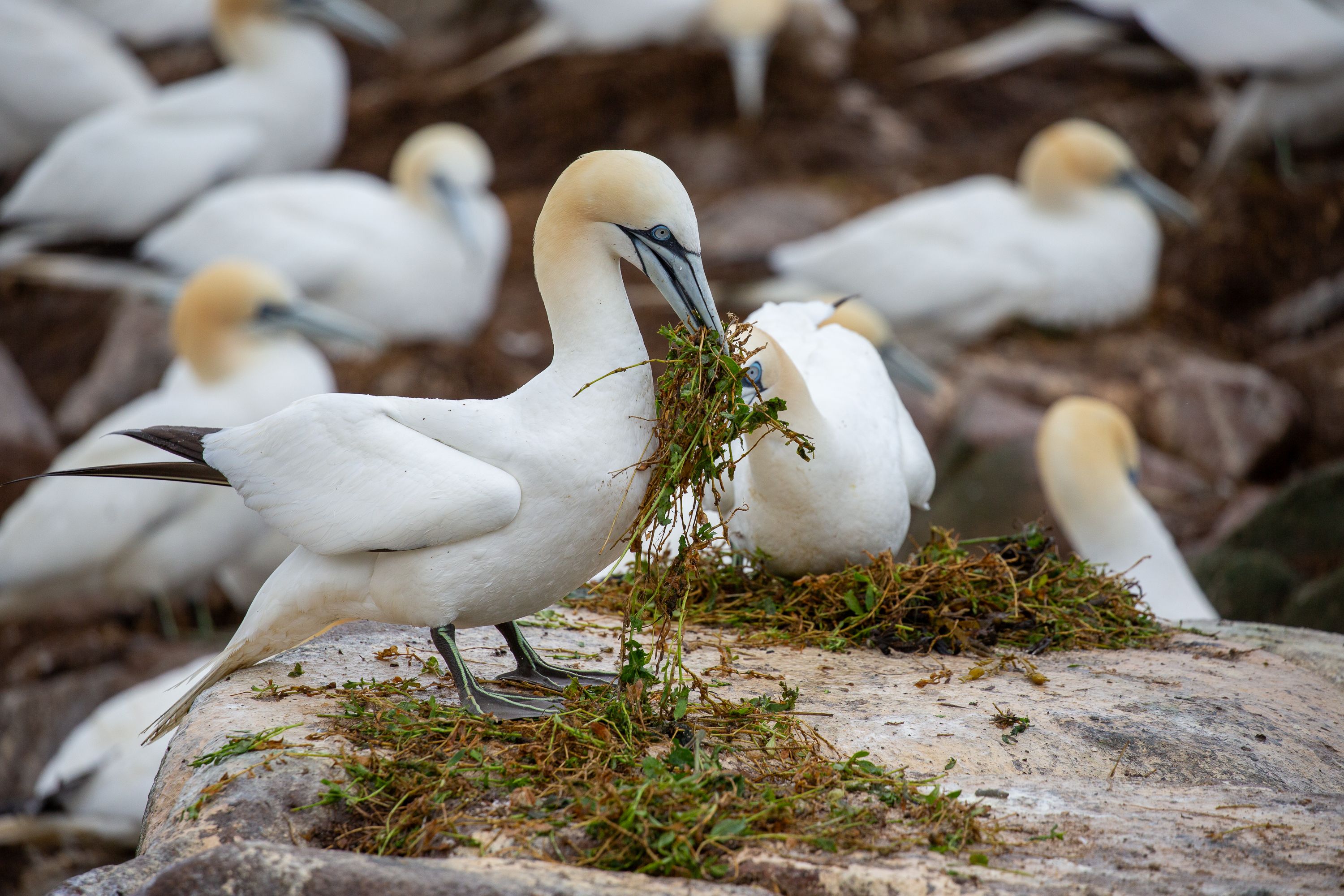
A Country Built on Nature’s Shoulders
It’s easy to treat “habitats” as something abstract, nice to have, but separate from the business of farming or rural life. In reality, they underpin nearly everything the countryside depends on. They hold soils together, they clean water as it moves through the landscape, they store carbon; they carry whole communities of insects that pollinate crops and grasses; and they soften the impact of weather extremes.
When these systems start to weaken, it shows up everywhere else, often in subtle ways at first, more flooding here, poorer soil structure there, fewer insects working the land quietly in the background. Nature’s decline rarely announces itself with a fanfare; it chips away steadily until it’s impossible to ignore.
That’s why seeing around 90% of these protected habitats classified as “unfavourable” is such a warning sign. Protection on paper means very little if the living system underneath it continues to unravel.
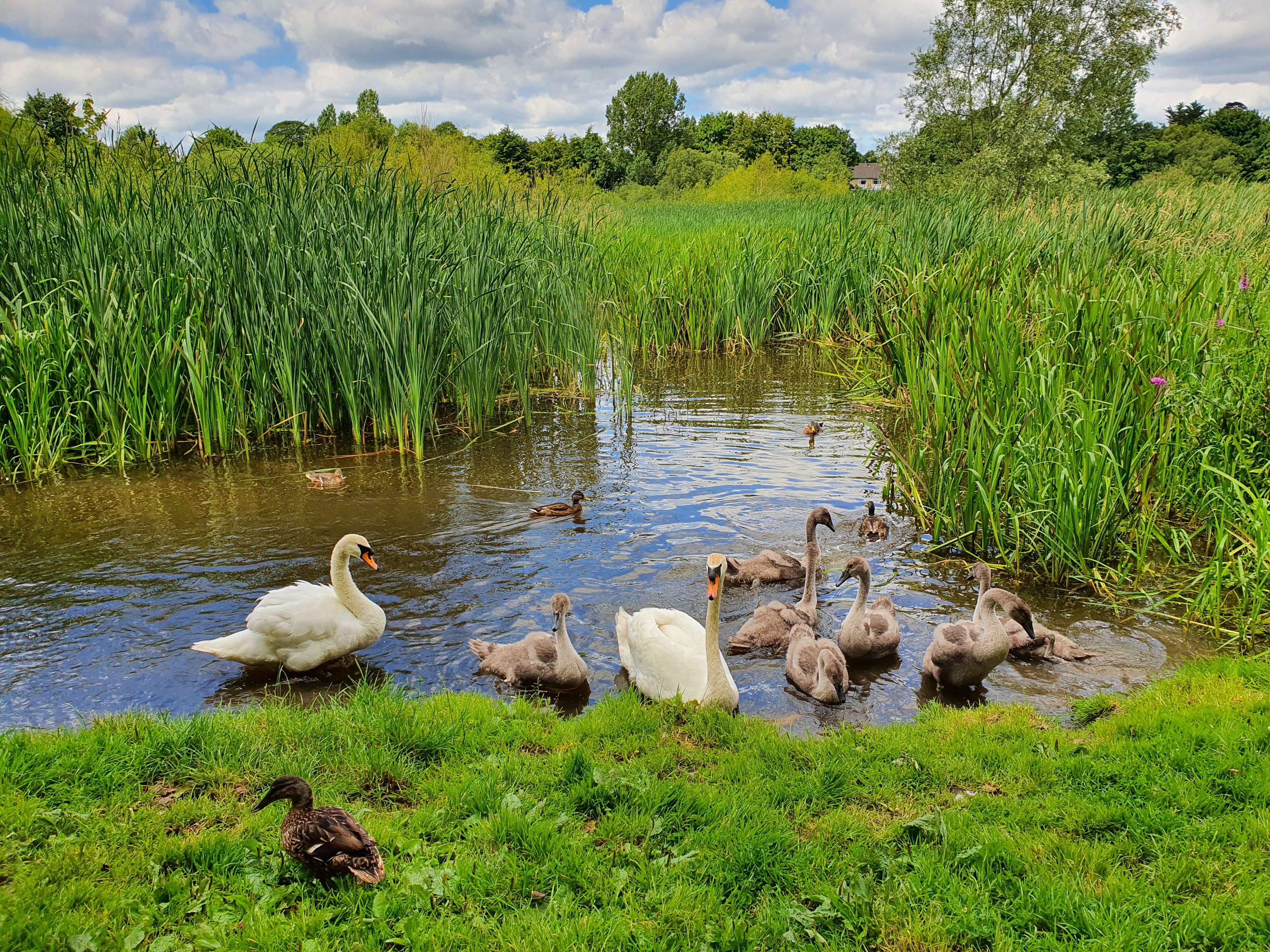
How We Reached This Point
The truth is that there isn’t one single culprit. It’s the cumulative effect of decisions made across decades.
Farming has, of course, played a part, largely because it occupies most of Ireland’s land area. Drainage, reseeding, fertiliser use, tidying of field edges, cutting and converting land: individually, none of these things seem dramatic. But over time, they reshape the landscape in ways we don’t always see until much later.
There are other pressures too: peat extraction, poorly planned development, forestry on vulnerable soils, pollution entering rivers, and the increasing stress of climate change. Habitats that were once resilient have become fragile, and fragile systems tip quickly.
None of this is about blaming farmers or communities. It’s about understanding the scale of the challenge and the need to respond with that scale in mind.
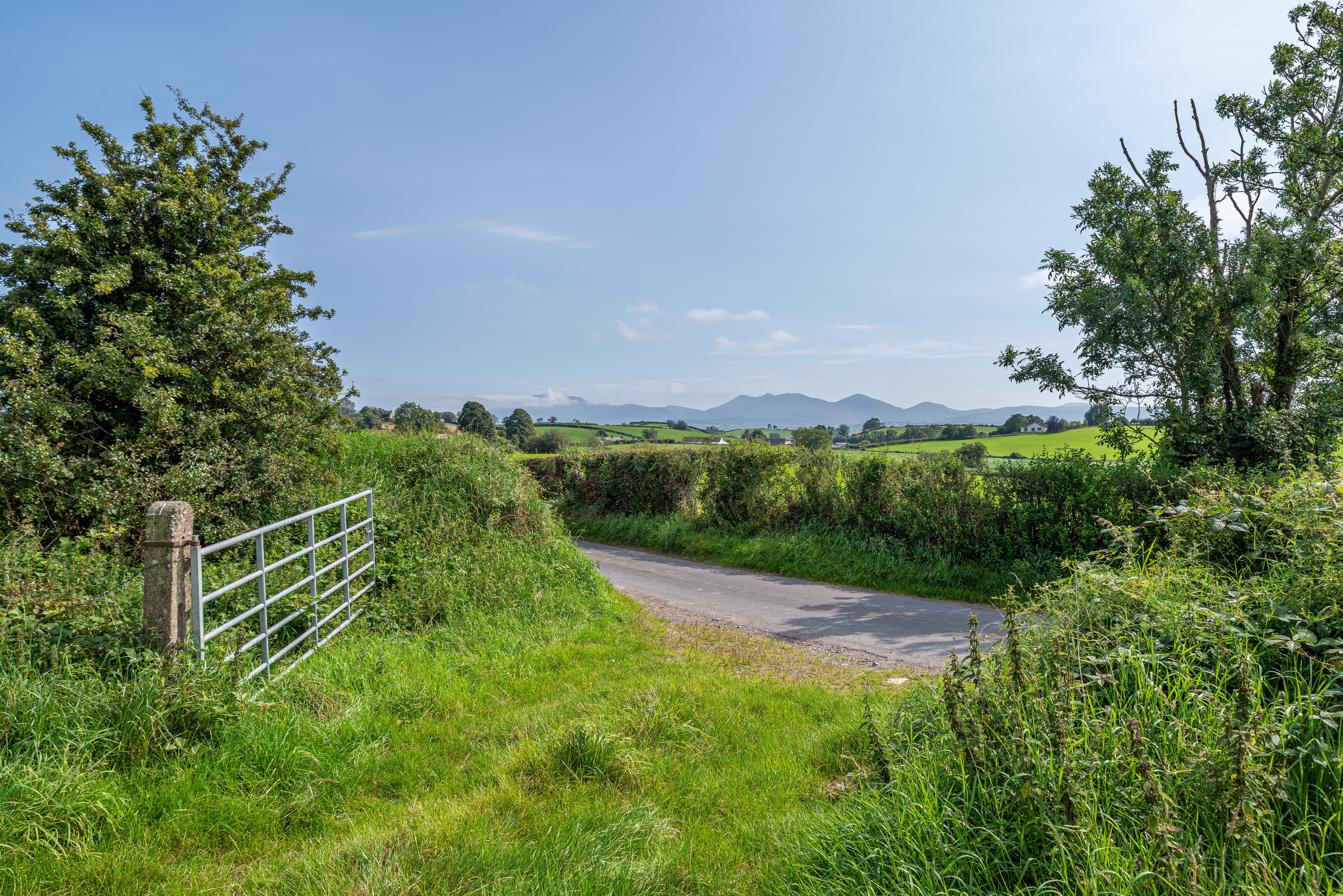
What All This Means for Farmers and Land Managers
If you work the land, this isn’t an environmental story happening somewhere else, it’s happening around your gates and ditches and hedgerows. A lot of the habitats in trouble are intertwined with farmland: species-rich grasslands now much rarer than they should be, hedgerows losing structure and depth, wetlands that once soaked up water now drained or degraded, peatlands that no longer store carbon the way they used to.
And while some of these shifts feel slow, they do have real consequences. A poorly functioning habitat won’t hold water in heavy rain. A simplified grassland doesn’t bounce back from drought. A farm without insects and birds eventually becomes a farm fighting nature instead of working with it.
But farmers are also central to the solution. Many (if not all) already take pride in good land stewardship, they know that a farm only prospers when the land beneath it is healthy. What’s needed now is more support for the kind of measures that restore resilience rather than simply maintain the status quo.
That might mean:
- Letting certain margins or corners rewild a little.
- Restoring wetlands or peat areas instead of keeping them drained.
- Planting or thickening hedgerows in ways that bring back structure.
- Creating space for species-rich areas that strengthen the whole farm ecosystem.
None of these changes require abandoning production, they’re about shaping a farm that can cope with the pressures coming its way.
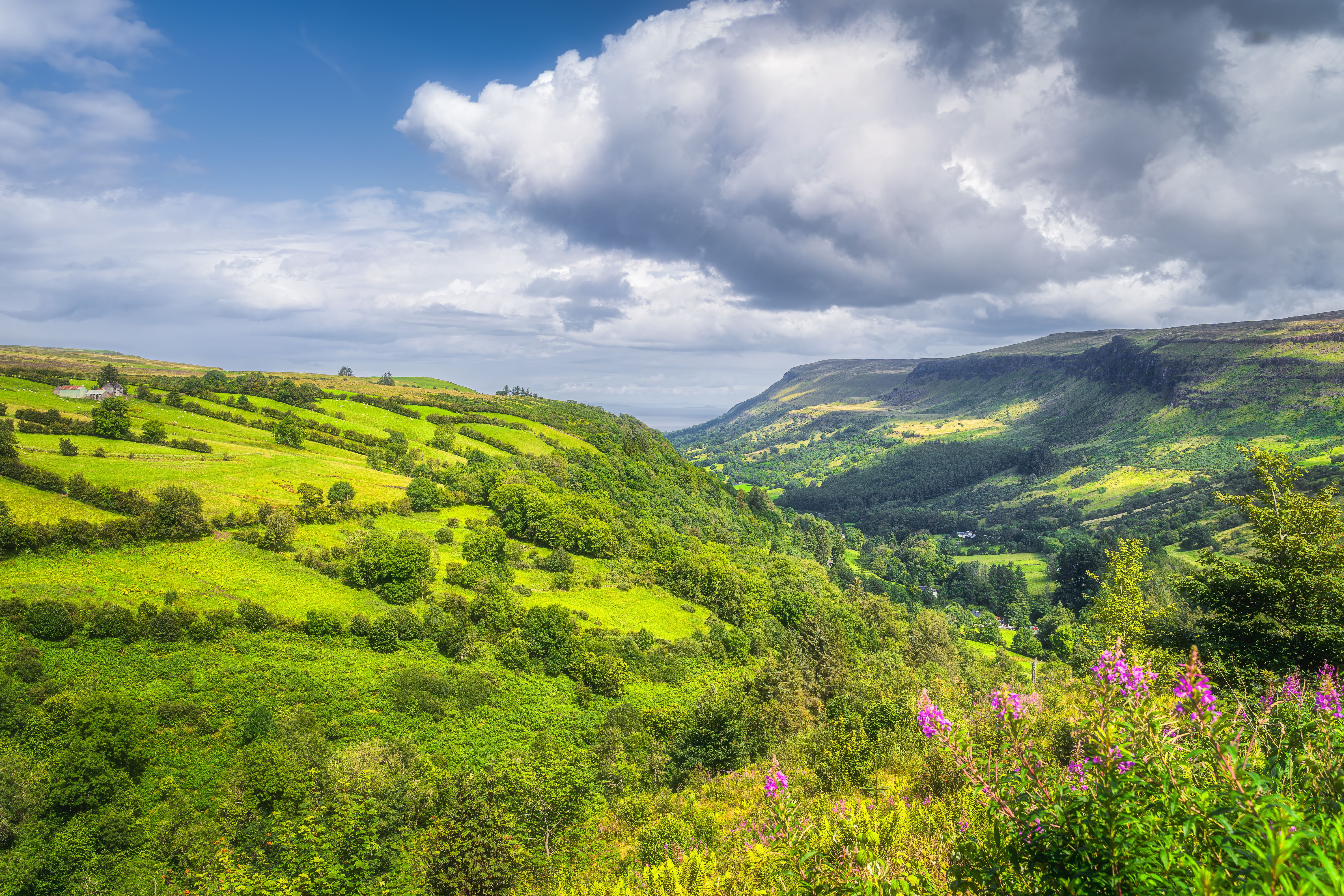
A Bad Situation, Yes — But Not a Final One
The figures are alarming, but they are not a verdict. They are a diagnosis. And once you have a diagnosis, you can start treating the problem properly.
The fact that over 50% of protected habitats are in decline means the ground is shifting beneath us faster than we might like to admit. But it also means there is still plenty worth saving and restoring, nature recovers more quickly than people expect when it’s given space, time and halfway decent conditions.
Ireland’s bogs, dunes, heaths and grasslands are living systems. They are damaged, but not doomed.
If the country, farmers, policymakers, local communities, decide to work in the same direction, we could see a very different report in a decade’s time. One that talks about recovery instead of decline.
This moment is a pivot point. The question is whether we take it.
Conclusion
It’s hard to imagine an Ireland where habitats don’t rebound, partly because they’ve always been such a constant presence, the bog you drove past on school runs, the meadow buzzing on a warm June morning, the woodland you walked through on Sundays. But constants only stay constant if we mind them.
This latest assessment is a reminder that taking the countryside for granted is no longer an option. And yet, in the same breath, it’s a reminder that there is room to put things right, and that many farmers and rural communities are already doing just that, quietly, year after year.
Ireland’s habitats are struggling, but they’re not finished. With the right actions, they can move from decline to renewal, and that’s something every one of us has a stake in.
*By Anne Hayden MSc., Founder, The Informed Farmer Consultancy.