
Vietnam Opens Its Market to Irish Beef: Impacts on Irish Farms


Introduction
Every so often, a trade announcement comes along that’s worth more than a skim. Not because it will change prices overnight, it won’t, but because it quietly alters the landscape Irish farmers are operating in.
Vietnam opening its market to Irish beef is one of those moments.
On its own, it might sound distant, another export destination, another country far from the mart ring. But when you set it alongside what’s happening in Europe, and what’s looming with Mercosur, it starts to look far more relevant to farm-gate reality than the headline suggests.
Vietnam Is Not a Small Market — and It’s Changing Fast
Vietnam’s population now sits at just over 100 million people. That alone puts it firmly in the “serious market” category. But population size isn’t the real driver here.
The key shift is income.
In 2023, Vietnam’s middle class accounted for roughly 13% of the population, or about 13 million people. Projections suggest that by 2026, that figure could rise to around 26%. In other words, the middle class is expected to double in a very short space of time.
That matters because rising incomes change diets. Beef consumption increases. Eating outside the home becomes more common. Imported food, especially food associated with safety, traceability and quality, becomes part of regular consumption rather than an occasional treat.
That’s the demand space Irish beef is stepping into.
What Market Access Really Means (and Why It Matters)
Market access doesn’t mean containers are shipping tomorrow morning. It means something more fundamental: Vietnamese authorities have formally recognised Ireland’s beef production and veterinary systems.
That recognition doesn’t happen quickly. It’s built on years of engagement, inspection, and alignment around animal health, traceability and food safety controls.
For farmers, the significance is simple: access creates optionality. It allows exporters to build routes when the commercial case stacks up, and that flexibility matters in a volatile global market.
Vietnam Is One Part of a Much Bigger Asian Picture
Vietnam didn’t appear out of nowhere. It fits into a broader trend where Asia is playing a bigger role in global beef demand, and in Ireland’s export strategy.
Take South Korea. It is one of the world’s largest beef importers, with imports forecast at around 580,000 tonnes in 2025, and a similar volume expected again in 2026. That’s scale. That’s consistent demand.
Then there’s Japan, long viewed as a premium market. While it remains important, it’s not immune to economic pressure. In the first half of 2025, Japan’s total beef imports were down 12% compared with the same period in 2024.
That decline is a useful reminder: even large, established markets can soften. Which is exactly why spreading export risk matters.
Vietnam adds another strand to that web. Not a replacement. Not a silver bullet. But another outlet in a region where long-term protein demand is still growing.
Why Mercosur Changes How This Should Be Viewed
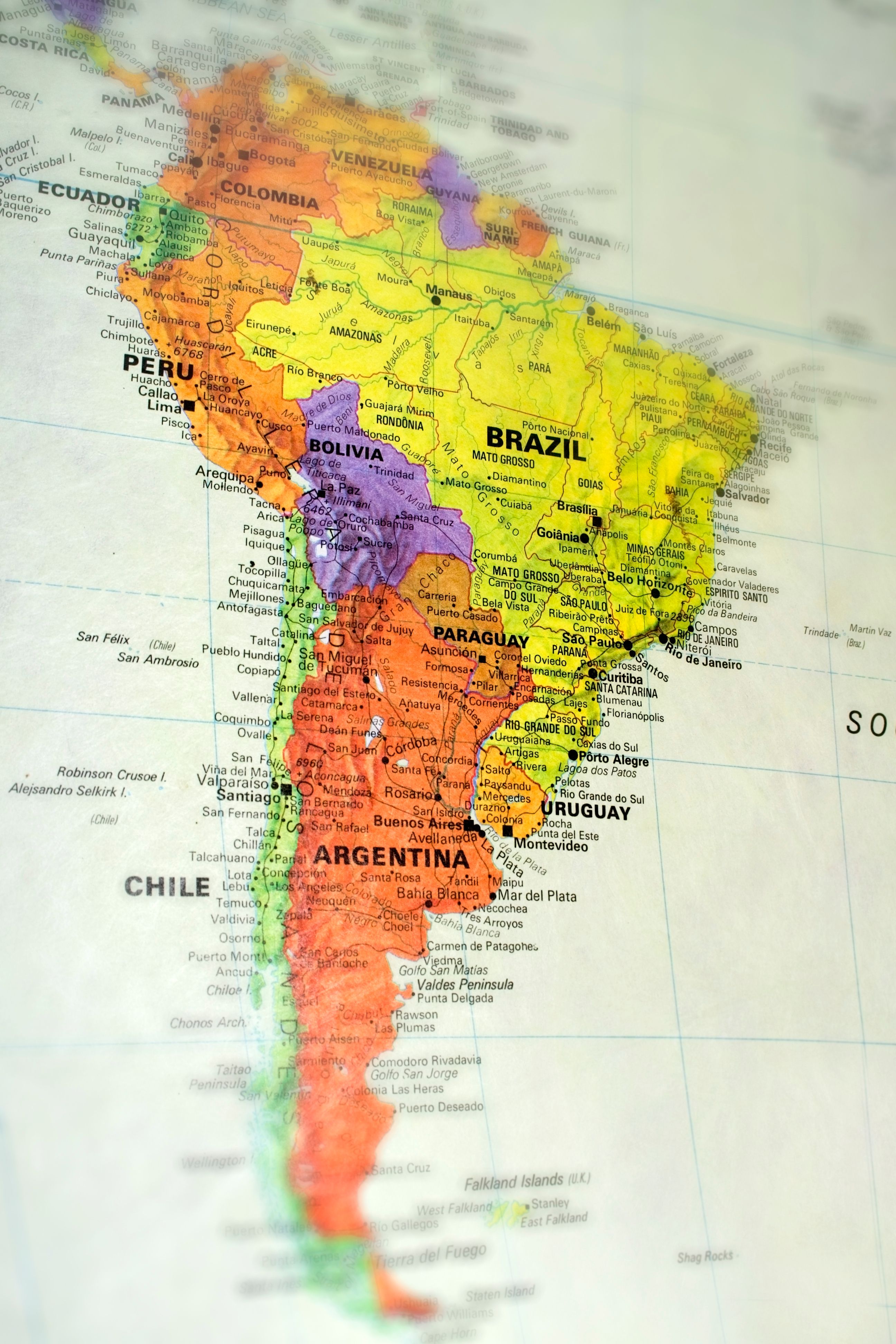
It’s impossible to separate this conversation from Mercosur, because farmers already haven’t.
The proposed Mercosur agreement includes a quota of 99,000 tonnes of beef, entering the EU at a 7.5% duty, phased in over several years and split between fresh/chilled and frozen beef.
On paper, that’s often described as roughly 1.5% of total EU beef production. In practice, market pressure rarely spreads evenly. It tends to hit hardest where margins are already tight.
For Irish farmers, the concern isn’t ideological, it’s practical. Competing with beef produced under very different cost and regulatory structures, while meeting some of the highest standards globally, creates real vulnerability.
This is where Asia matters strategically.
If Mercosur represents downward pressure within the EU, then markets like Vietnam, South Korea and Japan represent diversification outside it, markets where quality, consistency and safety carry weight.
That doesn’t eliminate Mercosur risk. But it does help balance it.
What This Means at Farm Level (Without Pretending It’s Immediate)
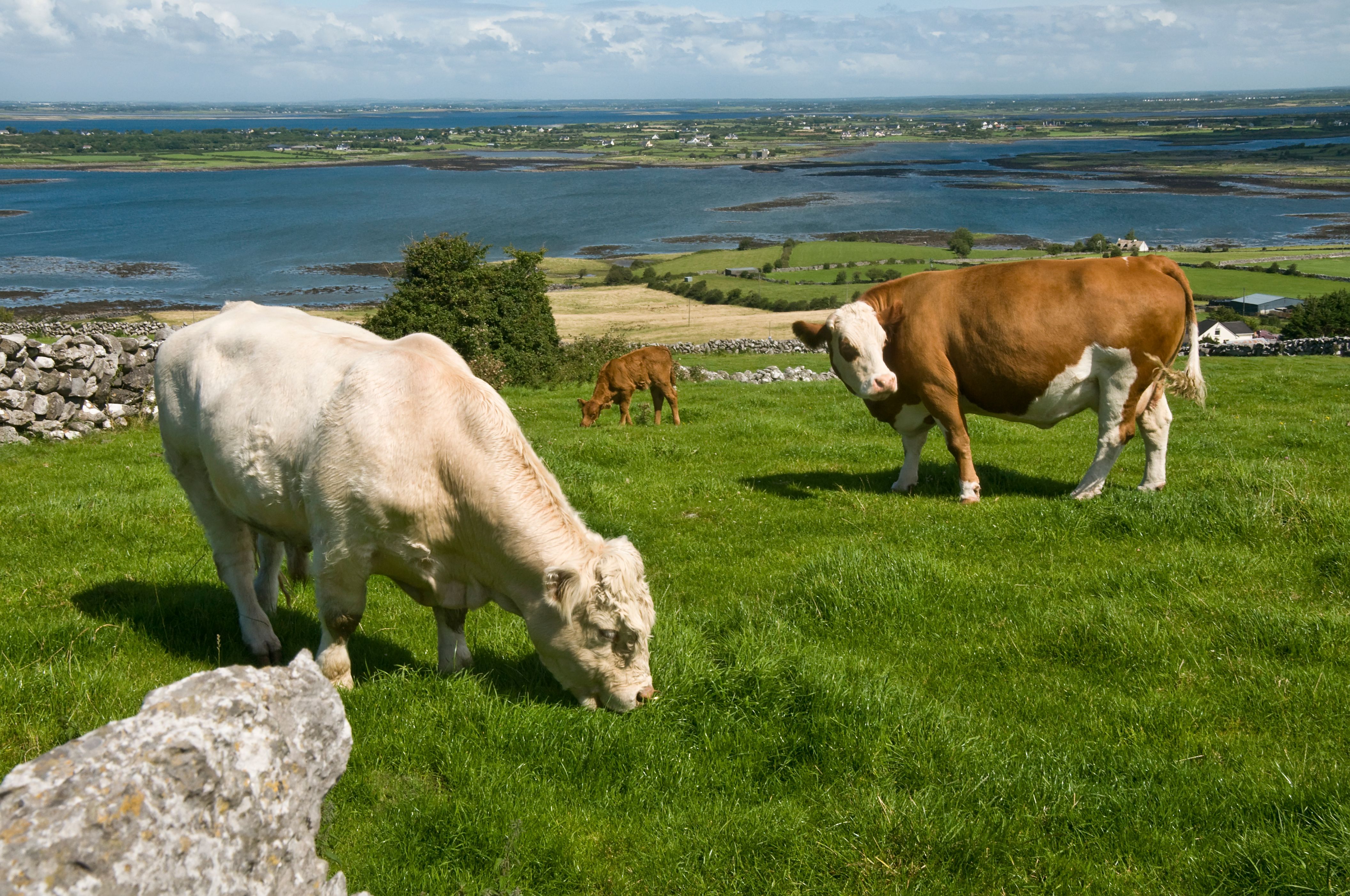
No farmer is changing a system tomorrow because Vietnam opened its market. That’s not how trade works.
But over time, developments like this influence the system in quieter ways:
- More diversified demand means exporters are less dependent on any single outlet.
- Different markets value different parts of the carcase, improving overall utilisation.
- Premium positioning becomes easier to defend when buyers are willing to pay for it.
None of that guarantees higher prices. But it can reduce exposure, and reduced exposure matters in a sector where margins are already thin.
Why Asia and Mercosur Belong in the Same Conversation
Export wins and trade threats are often discussed separately. In reality, they’re two sides of the same coin.
Mercosur raises questions about how Irish beef competes inside Europe. Asia raises questions about where Irish beef can compete on its own terms.
Vietnam’s 100-million-plus population, its rapidly expanding middle class (13% in 2023, projected to 26% by 2026), South Korea’s 580,000-tonne import demand, and Japan’s 12% import dip in early 2025 all point to one conclusion:
Irish beef needs more than one lane to market.
Conclusion
Vietnam opening its market won’t solve every challenge facing Irish beef farmers. It won’t erase concerns about Mercosur. And it won’t lift prices overnight.
But it does something important.
It adds another serious, growing destination for Irish beef at a time when competition is intensifying closer to home. It reinforces Ireland’s reputation for safe, high-quality production. And it strengthens the case for diversification as a form of protection, not ambition.
In a world where pressure travels fast and markets shift quickly, having more doors open is never a bad thing.
For Irish beef, Asia, Vietnam included, is increasingly one of those doors.
*By Anne Hayden MSc., Founder, The Informed Farmer Consultancy.