
What the Hedgehog Is Telling Us About the Future of Irish Farming


Introduction
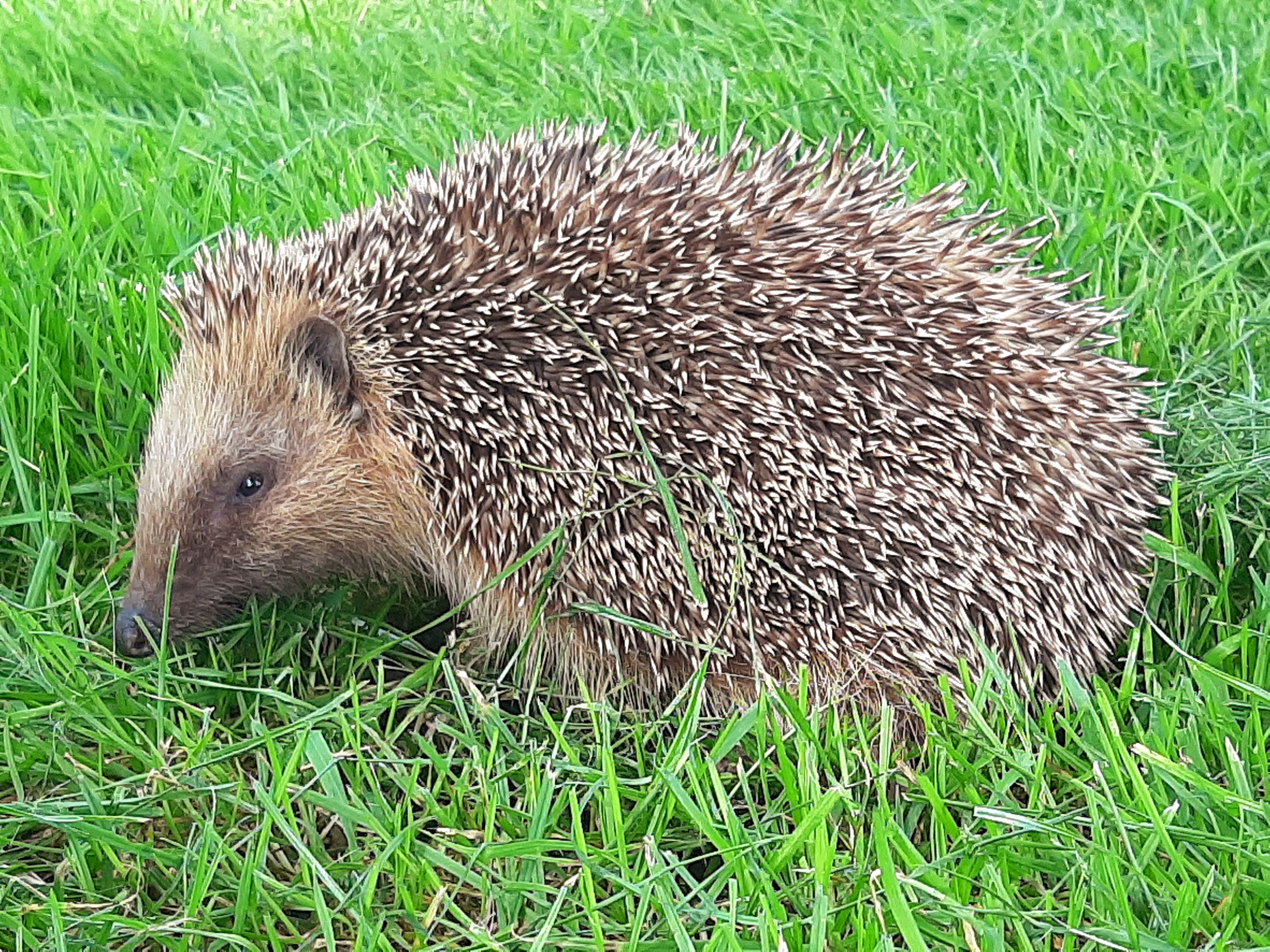
The recent focus on hedgehog conservation has struck a chord with people, and not just because it’s a species everyone recognises.
For those of us working in agriculture, sustainability and land management, it’s hard to miss the bigger message behind it. When a common, adaptable animal starts disappearing from a landscape as green and farmed as Ireland, it tells us something important about how that landscape is functioning.
We don’t yet have a single definitive population figure for hedgehogs in Ireland but we do know they are in decline, and we know why: loss of habitat, less connected countryside, and reduced food availability. That mirrors what has already happened in other parts of Europe, where the drops have been dramatic.
And when you set that alongside the wider biodiversity data for Ireland, the pattern becomes very clear.
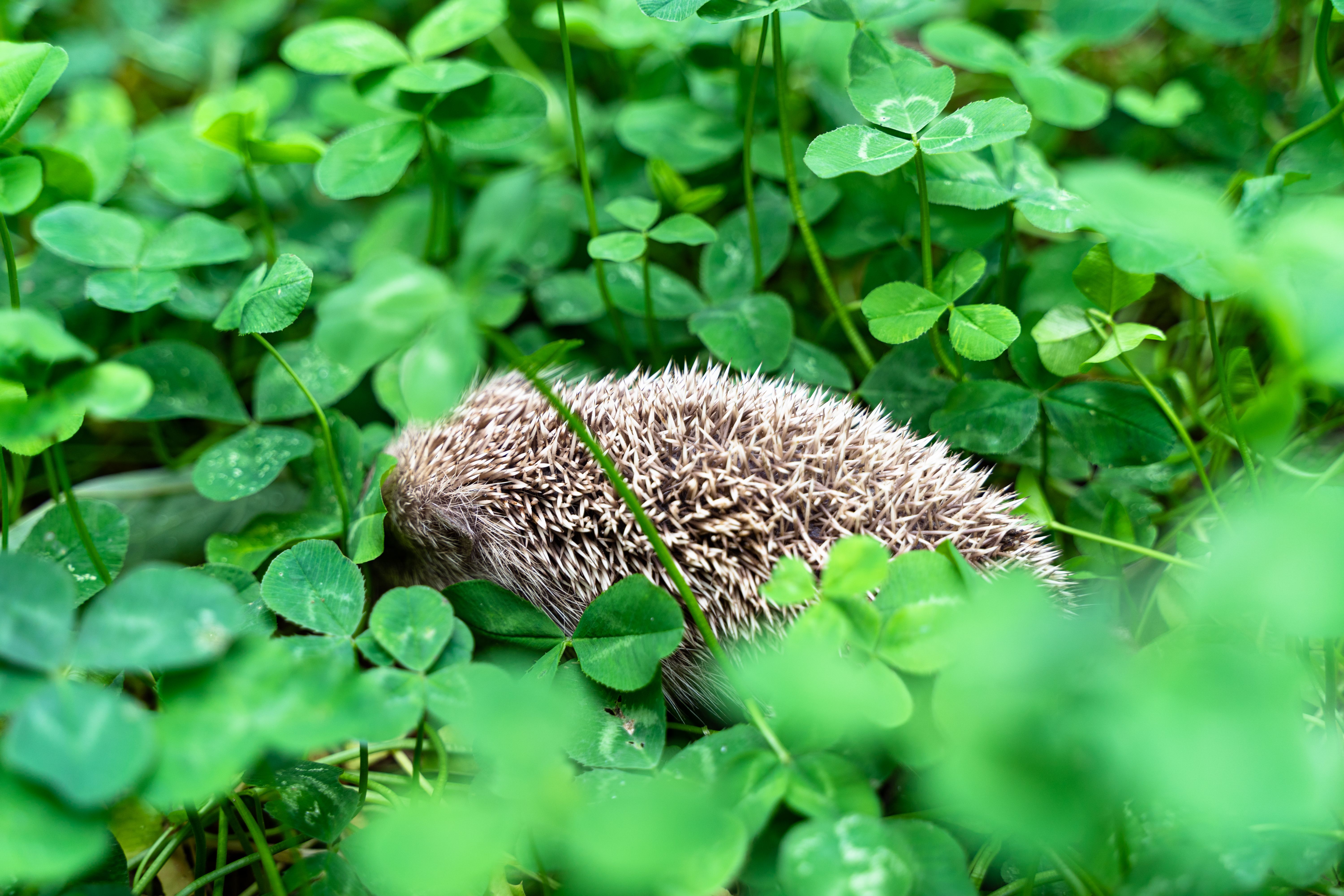
The direction of travel is not good — but it is very clear
The most recent national assessments show:
- 90% of Ireland’s EU-protected habitats are in unfavourable condition.
- 56% of our native plant species have declined.
- Of 3,140 species assessed, 14.7% are now threatened with extinction and 2.7% are regionally extinct.
Those aren’t niche conservation figures. They describe the living systems that farming depends on, the soils, insects, water cycles and plant communities that make production possible in the first place.
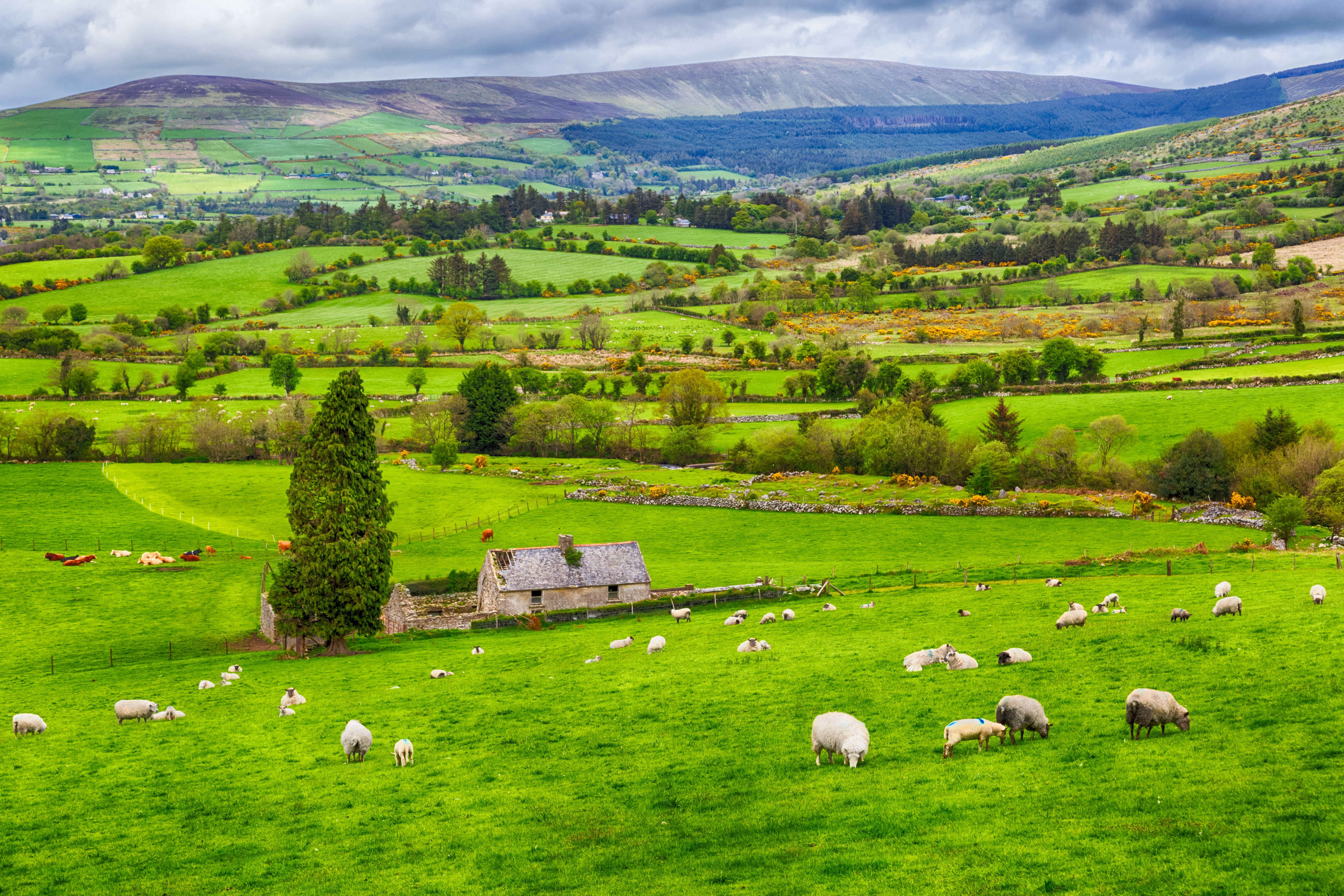
At the same time, farmland covers almost 68% of Ireland’s land area.
So whatever way we look at it, the future of biodiversity in this country is going to be decided on farms.
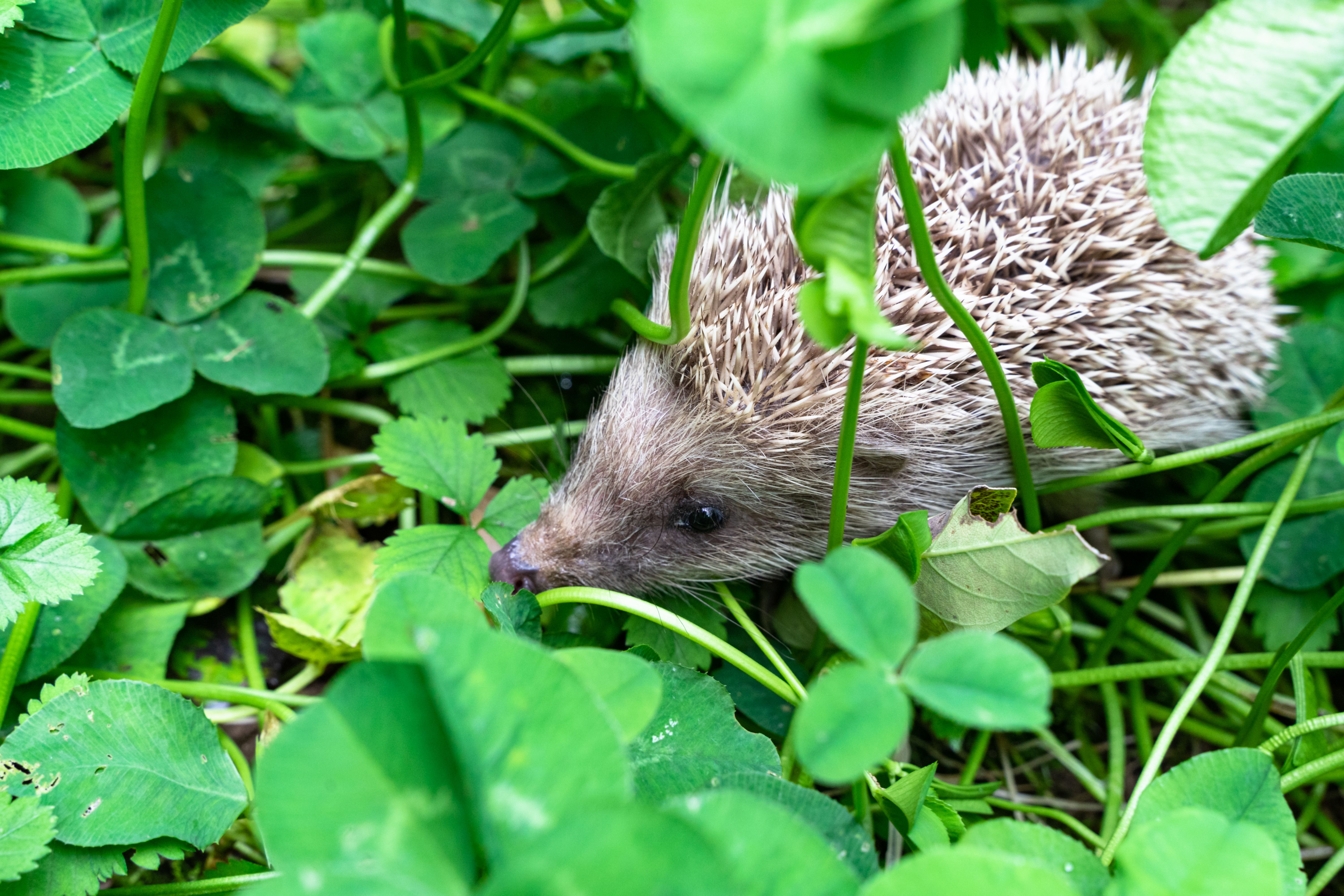
This isn’t just about wildlife — it’s about how productive landscapes work
Hedgehogs need a very particular kind of countryside:
- Hedgerows with real structure.
- Margins that aren’t sterile.
- Insects in the soil and sward.
- The ability to move safely from one field to the next
That’s not a romantic picture of the past. That’s a functioning agricultural landscape.
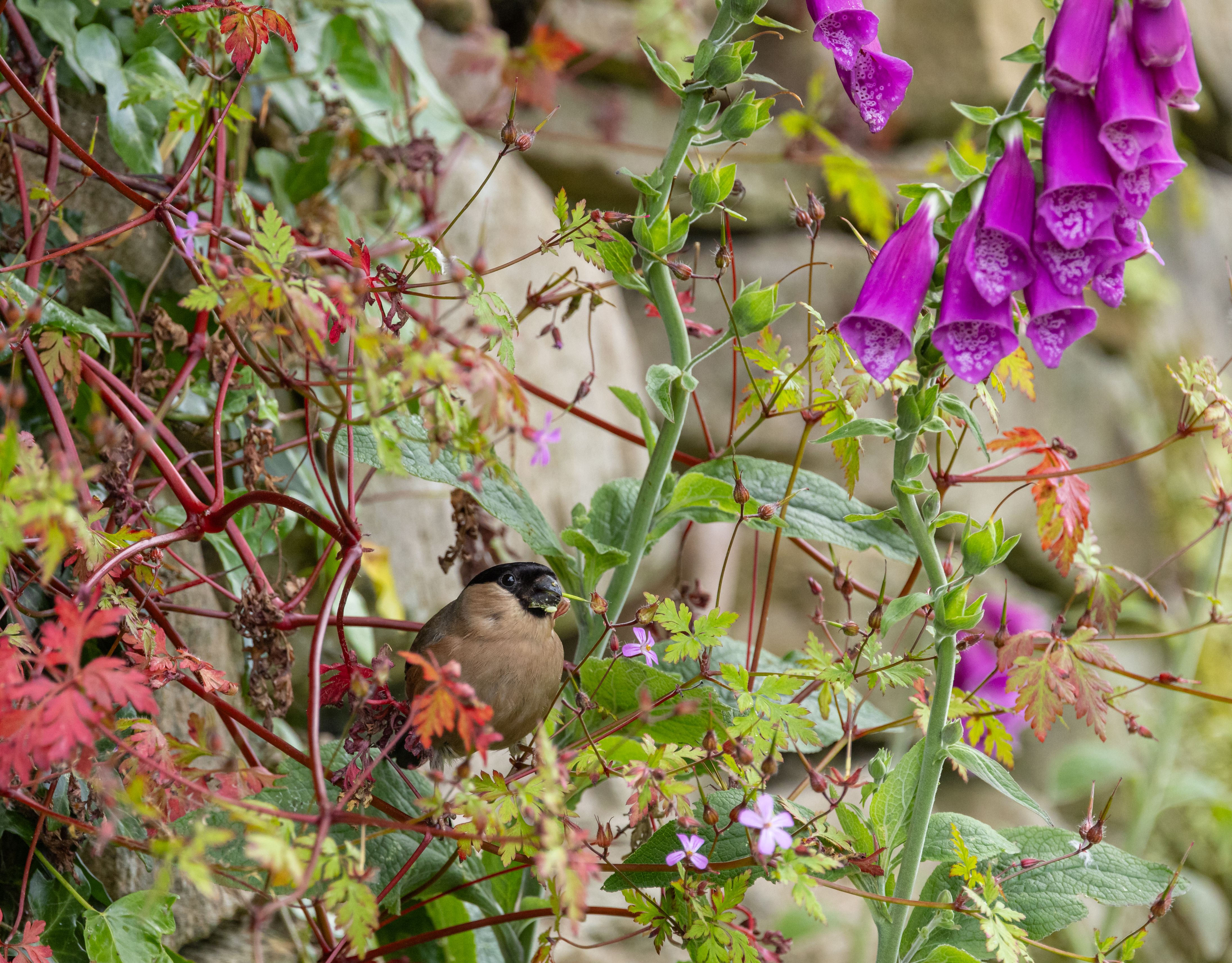
Because the same features also support pollination, natural pest control, water regulation and soil health. Take pollinators as one example. In Ireland:
- 30 of our 99 wild bee species are at risk of extinction.
- insect pollination is worth up to €59 million per year to Irish food production.
- That’s not an environmental add-on, that’s a production input we don’t have to pay for when the system is working.
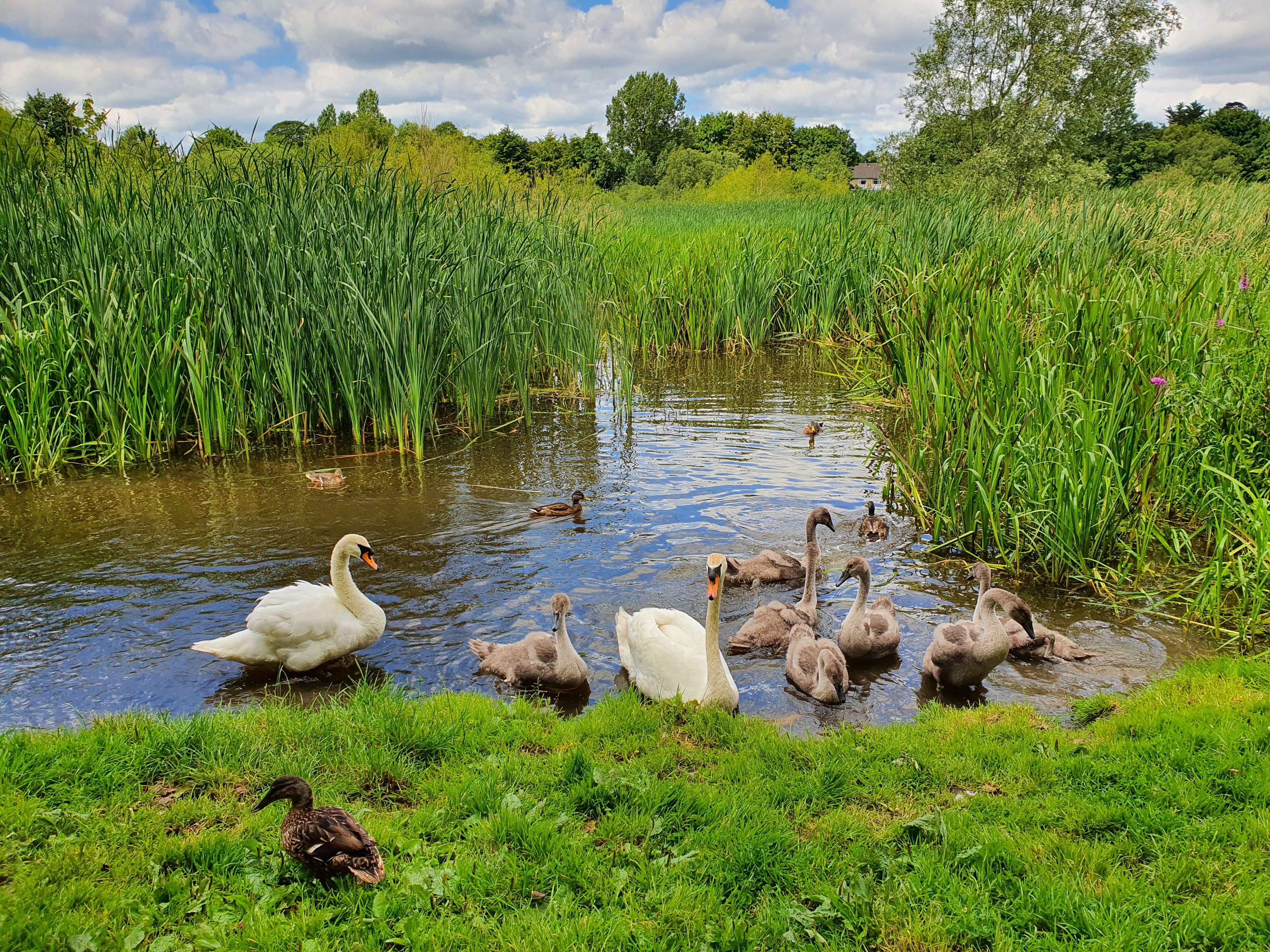
Birds tell a similar story:
- Twenty-six per cent of Ireland’s regularly occurring bird species are now on the Red List and 37% on the Amber List.
- Overall, 63% are now considered of conservation concern.
Again, these are not abstract losses. These are indicators of how simplified and disconnected parts of the farmed landscape have become.
Biodiversity is now a farm business issue
There’s a tendency to talk about biodiversity as if it’s a constraint. In reality, it’s becoming an asset, and a measurable one.
Ireland’s biodiversity is estimated to deliver around €2.6 billion per year in ecosystem services. That includes soil formation, nutrient cycling, pollination and water regulation, the things that keep input costs down and productivity stable.
At the same time, policy and markets are moving in the same direction.
Future supports, supply-chain requirements and sustainability reporting are all increasingly looking for evidence of environmental performance.
So the question for farms is changing from: “How do we fit biodiversity in?”to: “How do we use it to strengthen the system?”
The practical side: most of the solutions are already familiar
What’s interesting is that the actions that help hedgehogs are not radical or new. They are the same measures that come up again and again in good farm planning:
Managing hedgerows for structure rather than appearance:
- Cutting on rotation and allowing flowering and fruiting makes them useful as habitat while still doing their job for stock and shelter.
Keeping and managing field margins:
- These areas protect water, support insects and create movement corridors across the farm.
Reducing chemical pressure where it makes sense:
- Not as an ideology, but as a way of supporting soil biology and the wider food web that production ultimately depends on.
Improving connectivity:
- Because in a fragmented landscape, even small changes in permeability make a real difference.
None of this takes land out of farming. It makes the land work better.
Why the hedgehog is such a powerful starting point
There are more endangered species than the hedgehog, there are rarer ones, there are more scientifically important ones. But the hedgehog has something they don’t: everyone knows it.
That matters, because it creates a bridge between the public conversation about biodiversity and the day-to-day reality of farm management.
And from an advisory and consultancy perspective, it opens the door to a much more useful discussion, one about how farms can:
- Deliver measurable environmental outcomes.
- Align with CAP and future schemes.
- Reduce long-term production risk.
- Strengthen their market position.
The farms that will be strongest in the next decade
If there is one thing the data is telling us, it’s this:
The most resilient farms in the future will not just be the most productive.
They will be the ones that can show:
- Functioning habitats.
- Healthy soils.
- Clean water.
- Visible biodiversity
Because those are the farms that will fit policy, fit markets and cope best with climate pressure.
Conclusion
In practical terms, it leaves it exactly where it has always been, in the hedgerow, in the margin, moving quietly across fields at night.
But as an indicator, it’s doing something much bigger. It’s showing us, in a very familiar and very visible way, whether the systems we are designing are working. And if we start to see it returning to places where it has disappeared, that won’t just be a conservation success.
It will be a sign that we are getting the balance right between production, sustainability and long-term viability in the Irish agricultural landscape.
*By Anne Hayden MSc., Founder, The Informed Farmer Consultancy.