
Why Irish Aquaculture Needs a Stronger Public Narrative


Introduction
Irish aquaculture is talked about a lot, but rarely understood. It tends to surface in public discussion only when there’s a dispute, a delay, or an objection. Outside of those moments, it fades into the background, even though it’s producing food every day and supporting livelihoods along the coast.
That disconnect matters. Because when a sector is only visible through controversy, it never gets judged on its full reality.
A Sector With Real Economic Weight
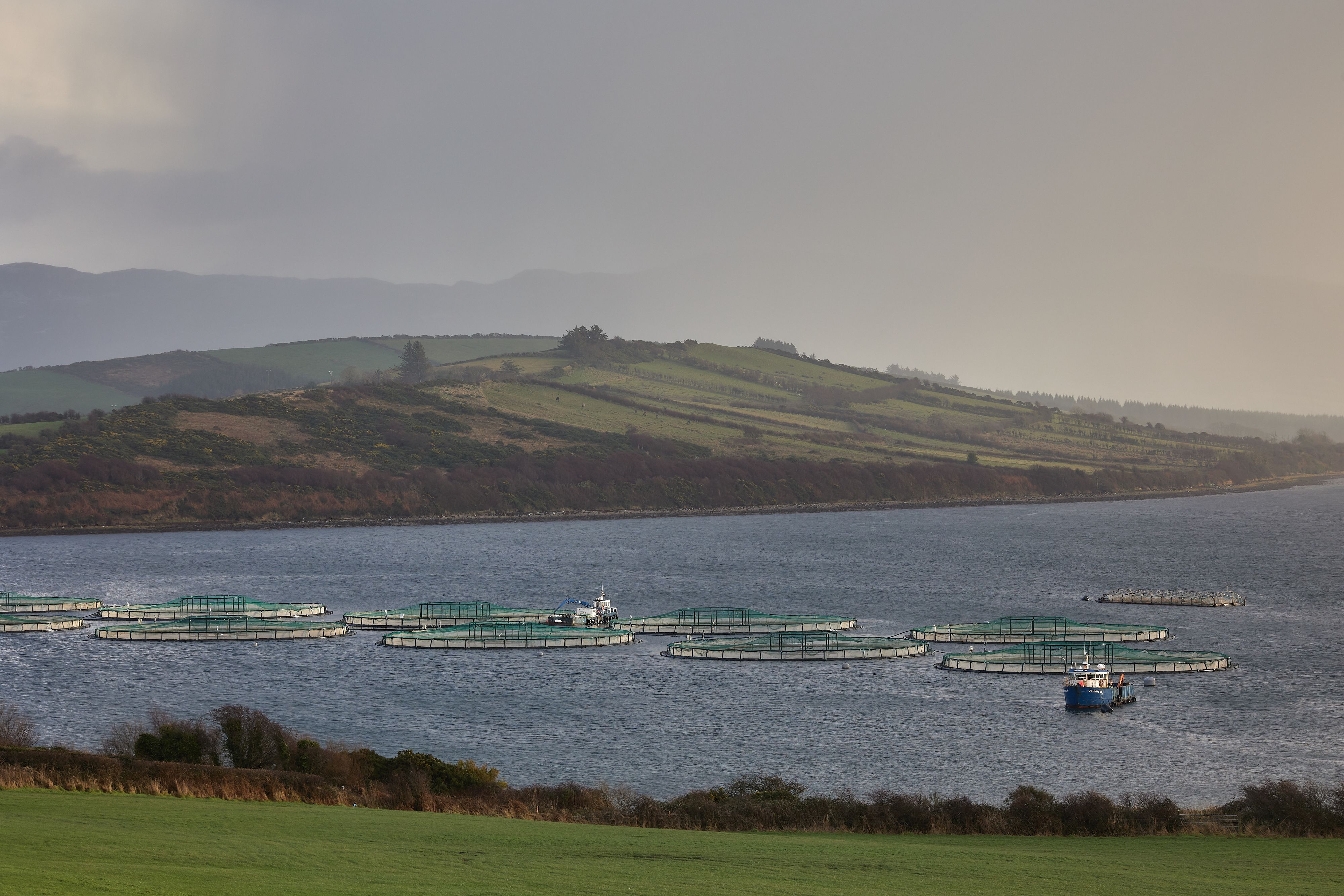
Aquaculture in Ireland supports around 2,300 direct jobs, most of them in coastal and rural areas where work can be scarce and alternatives limited. These aren’t abstract roles. They’re people working on sites, in hatcheries, in processing facilities, in logistics and support services that keep farms operating.
The sector generates hundreds of millions of euro in economic activity each year and contributes a significant share of Ireland’s seafood supply. Farmed salmon, oysters and mussels make up a substantial portion of what’s eaten at home and what’s sold abroad.
In simple terms, aquaculture accounts for roughly 40% of Ireland’s total seafood production. Yet it rarely features in national conversations about food security, rural employment or regional development in the same way land-based farming does.
That gap between contribution and recognition is hard to ignore if you work in the sector.
One of the Most Regulated Food Systems in the State
There’s a persistent belief that fish farming operates with minimal oversight, anyone involved knows how far that is from the truth.
Aquaculture operates under layers of regulation; environmental licensing, planning consent, habitat protection, food safety rules, ongoing environmental monitoring, EU water and nature legislation. All of it applies, all of the time.
Production levels are cappe, stocking densities are controlled, environmental thresholds are set and enforced.
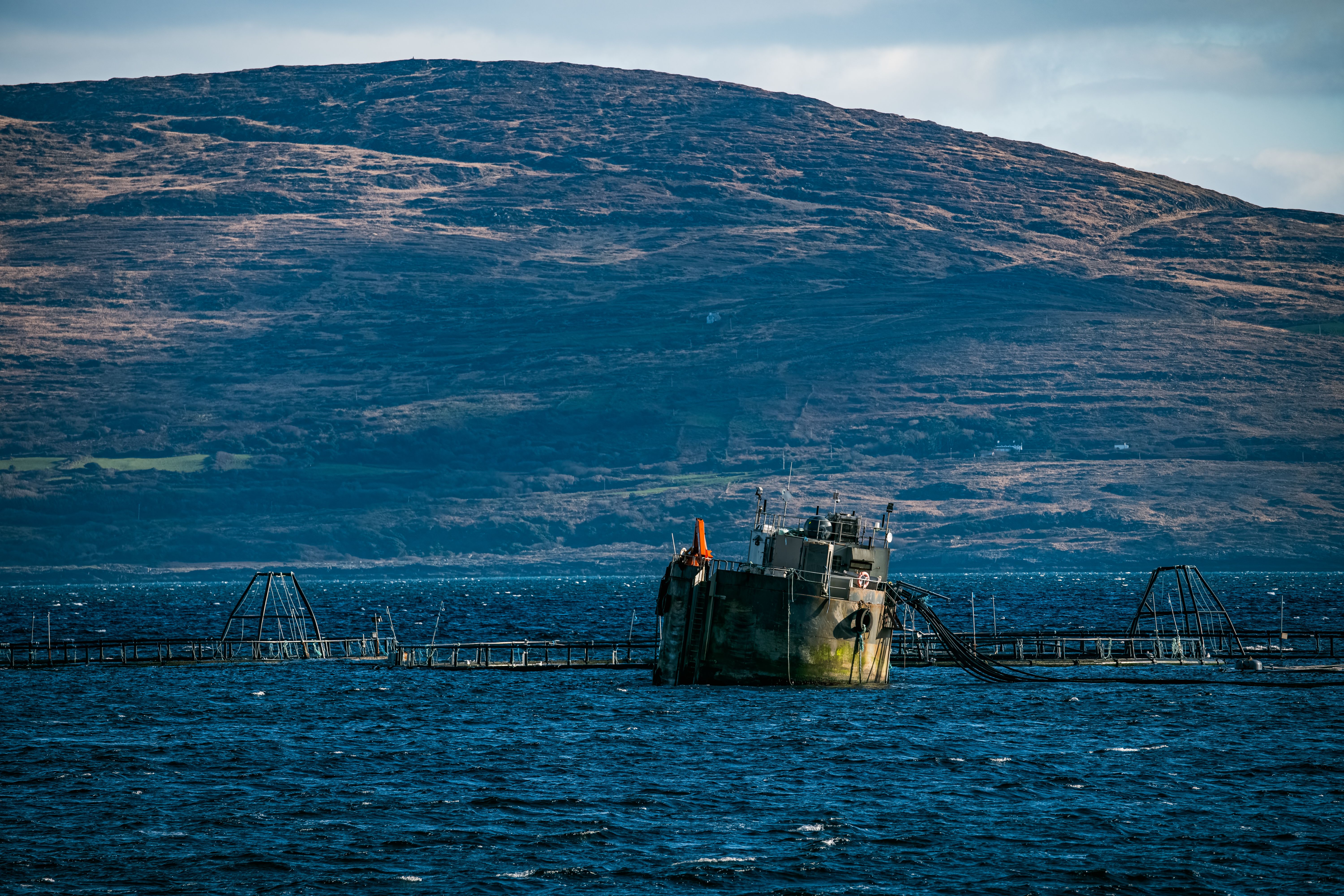
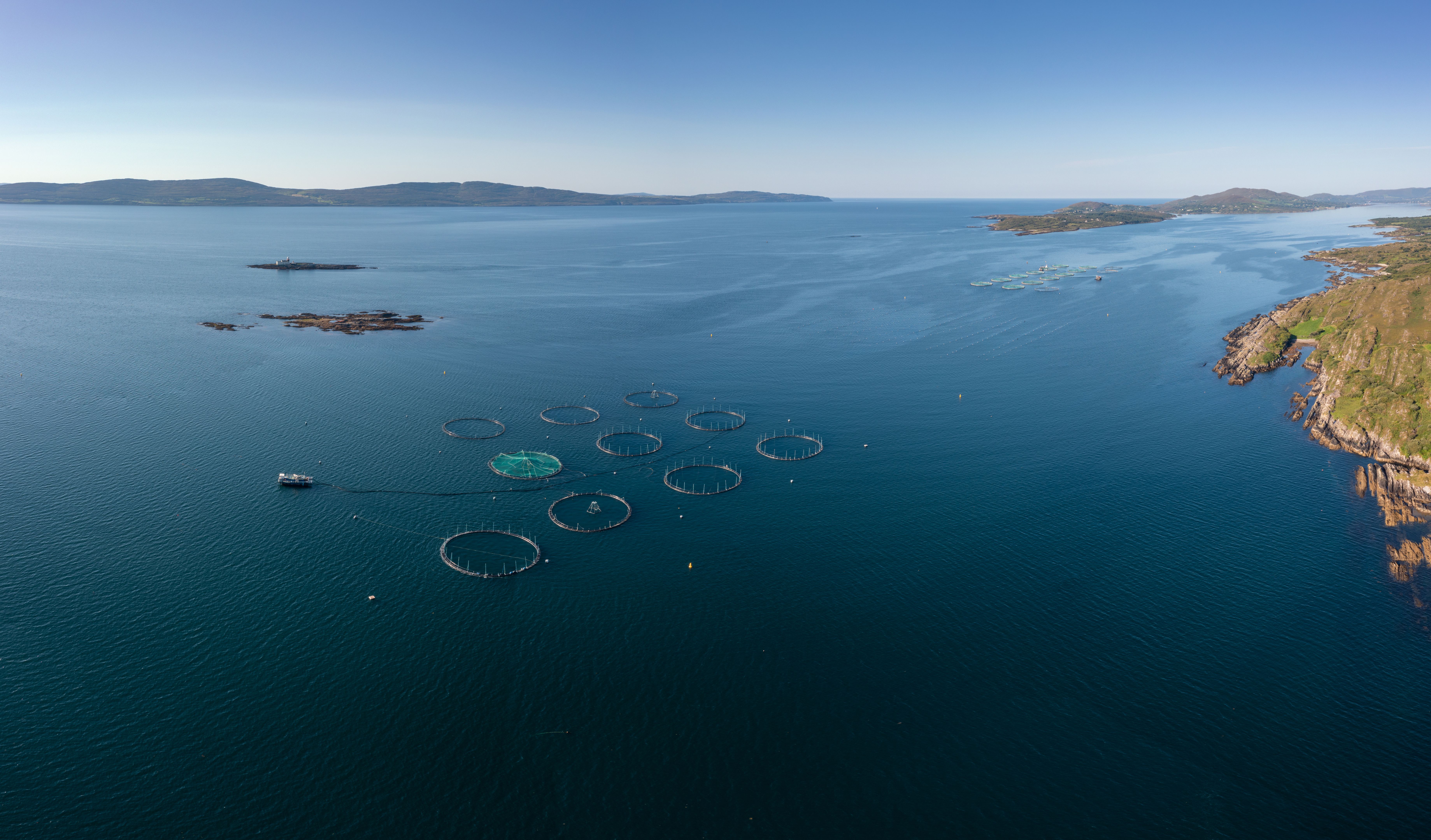
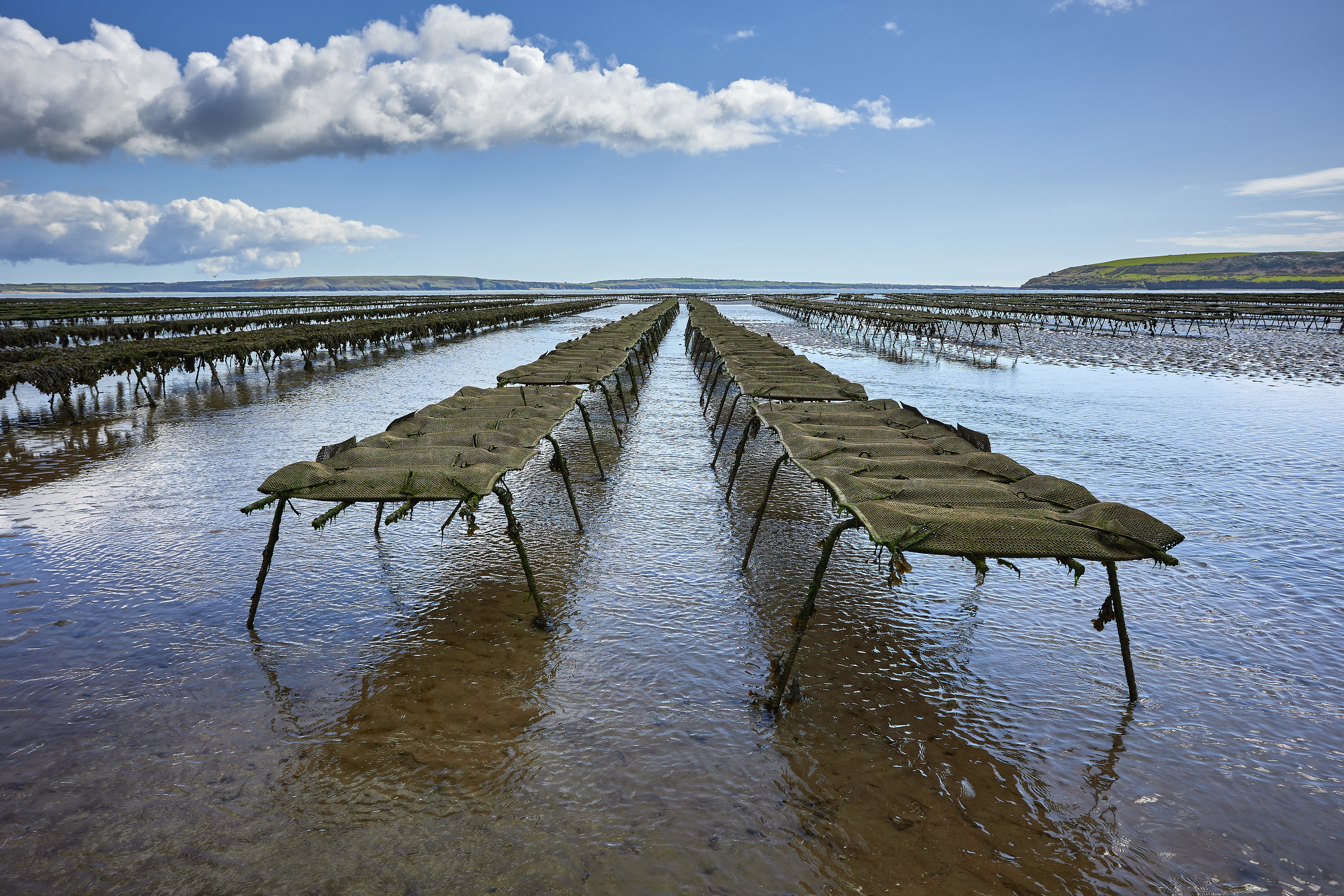
Taken together, aquaculture is one of the most tightly regulated forms of food production in Ireland. But most of that regulation is invisible to the public. People see cages, ropes or trestles from the shore. They don’t see the compliance systems, the monitoring data or the inspections behind them.
Licensing Delays Shape the Entire Sector
One of the biggest pressures facing Irish aquaculture is licensing, and it’s also one of the least understood.
In some cases, licence applications have taken over a decade to move through the system. During that time, farms are effectively frozen. Investment is put on hold. Expansion isn’t possible. Even basic planning becomes guesswork.
Equipment ages, staff move on, businesses operate in limbo.
These kinds of delays are not typical elsewhere in Europe, but they’ve become part of the landscape here. When that context is missing from public debate, stalled development is often misread as reluctance or lack of ambition, rather than a structural problem that farms have little control over.
Environmental Debate Without Scale or Context
Environmental protection matters. Aquaculture operates in shared waters and carries responsibility for how it does so.
But debate often happens without acknowledging that farms operate within fixed production limits, that monitoring data is routinely collected, and that non-compliance has real consequences, including reduced output or closure.
When aquaculture is discussed only as a potential risk, without reference to how tightly it is managed, it becomes easy to frame the entire sector as a problem rather than a regulated food system.
Over time, that framing shapes public opinion and political confidence, whether it’s fair or not.
Why the Sector Struggles to Tell Its Story
There are practical reasons why aquaculture has a weak public narrative.
Fish farmers work around tides, weather windows, and biological cycles that don’t wait for office hours. Stock health, labour, equipment and compliance already fill the day. Public communication rarely makes it to the top of the list.
There’s also caution. Years of legal challenge and scrutiny have taught many operators to keep their heads down, even when they’re operating fully within the rules.
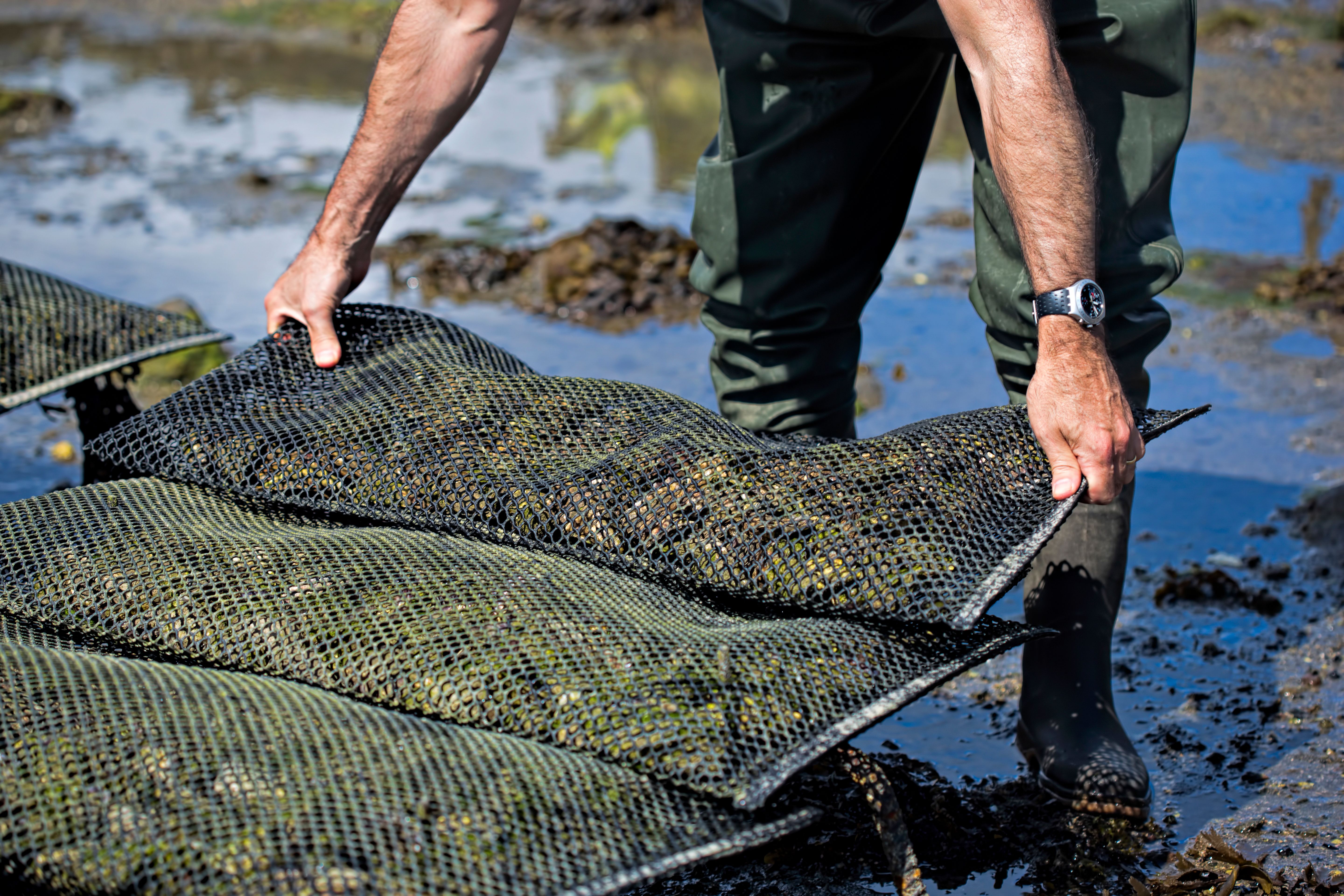
And aquaculture doesn’t fit neatly into how people imagine farming. It’s not on land, it’s not easy to visit, it doesn’t match familiar images of fields or sheds. That makes it easier to misunderstand, and easier to overlook.
Why This Matters Now
Pressure on food systems isn’t easing, wild fisheries are under strain, demand for protein continues to grow. Climate impacts are becoming more unpredictable year by year.
Aquaculture is one of the few food sectors capable of producing animal protein at scale without using agricultural land or freshwater. That makes it strategically important, whether or not the public conversation reflects it.
If Irish aquaculture is to remain viable, invest responsibly and support coastal communities, it needs more than regulation. It needs understanding.
Rebalancing the Conversation
A stronger public narrative doesn’t mean glossing over challenges. It means explaining reality plainly and early.
It means stating clearly that aquaculture supports around 2,300 jobs, contributes hundreds of millions of euro to the economy, accounts for around 40% of seafood production, and operates under licensing delays measured in years, not months.
When those facts are missing, debate becomes distorted. When they’re present, discussion becomes more grounded and more honest.
Conclusion
Irish aquaculture already carries heavy regulation. What it lacks isn’t oversight, but balance.
Without a clearer public narrative, the sector will continue to be judged on fragments rather than facts. And when decisions are made on fragments, the cost is paid by real people, real jobs and real coastal communities.
Aquaculture doesn’t need special treatment. It needs a fair hearing. And that starts with telling the full story, properly.
*By Anne Hayden MSc., Founder, The Informed Farmer Consultancy.